


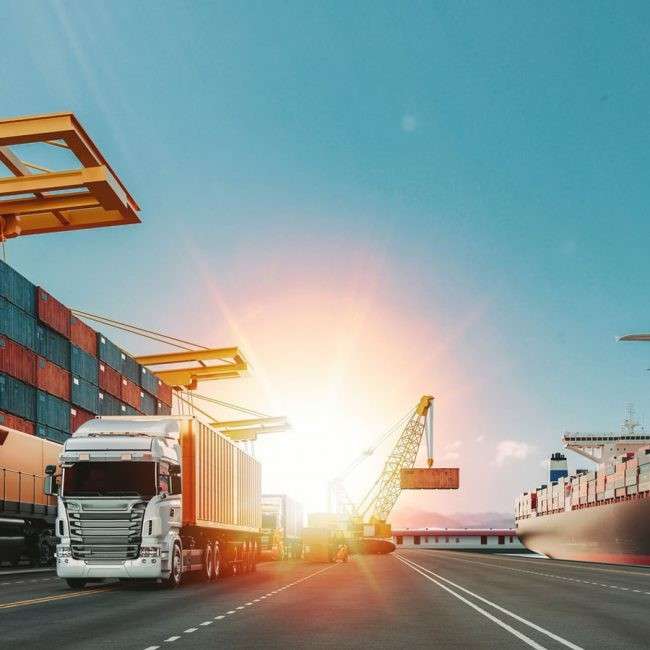
Global trade has become more complex than ever, with businesses navigating a web of regulations, tariffs, and documentation requirements. For companies looking to import or export goods, understanding customs procedures is crucial. This is where customs brokerage comes into play. A customs broker acts as a vital intermediary between businesses and government authorities, ensuring smooth clearance of goods across international borders. In this article, we will explore the role of customs brokerage, why it is essential for businesses, and how it can save time, money, and potential legal headaches.
Customs brokerage is the process of facilitating the import and export of goods by ensuring that shipments comply with the regulations of the destination country. Customs brokers handle all the documentation, tariffs, duties, and inspections required by customs authorities. Essentially, they act as the bridge between businesses and government agencies, helping companies move goods quickly and legally.
The process begins when a business decides to import or export products. A customs broker evaluates the shipment to determine the correct classification, calculates the duties and taxes owed, and prepares the necessary paperwork. Brokers also stay up-to-date with changing regulations, helping businesses avoid penalties or delays due to non-compliance. By managing these technical aspects, customs brokers allow companies to focus on core business operations rather than struggling with complex bureaucracy.
Engaging a customs broker offers several advantages for businesses involved in international trade.
Compliance with Regulations
International trade laws can vary significantly from one country to another. Failure to comply with customs regulations can result in fines, shipment delays, or even seizure of goods. Customs brokers have expertise in these laws, ensuring that businesses meet all regulatory requirements efficiently.
Time and Cost Savings
Handling customs procedures internally can be time-consuming, especially for small or medium-sized businesses that lack specialized knowledge. A customs broker streamlines the process, reducing the risk of delays and unexpected costs. Efficient clearance also means faster delivery of goods, which is crucial for businesses that rely on timely supply chains.
Expert Guidance on Duties and Tariffs
Calculating duties, taxes, and tariffs can be confusing, particularly when dealing with multiple countries and trade agreements. Customs brokers provide accurate assessments, helping businesses avoid overpaying or misclassifying goods. They also advise on potential exemptions or incentives that can reduce costs.
Reduced Risk of Legal Issues
Customs violations can lead to serious legal consequences, including fines, penalties, and reputational damage. A qualified customs broker minimizes these risks by ensuring that all shipments comply with the law, documentation is accurate, and goods meet quality and safety standards.
The customs brokerage industry is evolving rapidly with the adoption of technology. Modern brokers leverage digital tools to streamline processes, track shipments, and provide real-time updates to clients. Electronic filing systems allow brokers to submit documentation directly to customs authorities, reducing paperwork and minimizing errors.
Automated classification systems help determine correct tariffs, while advanced tracking solutions keep businesses informed about the status of their shipments. Technology also enables brokers to analyze trade patterns, providing insights that help companies plan their logistics more efficiently. For businesses operating in multiple countries, these digital solutions are essential to managing global supply chains effectively.
Selecting the right customs broker can make a significant difference in the efficiency and cost-effectiveness of your international operations. When evaluating potential brokers, consider the following factors:
Experience and Expertise
Look for brokers who have experience in your industry and knowledge of the countries you trade with. Specialized expertise ensures that your shipments are handled correctly and that you benefit from regulatory insights.
Range of Services
Many brokers offer a range of services beyond customs clearance, including warehousing, freight forwarding, and project logistics. For example, Terra Logistics offers ocean freight, road freight, air freight, warehousing, customs clearance, and project logistics, providing comprehensive support for businesses managing complex supply chains.
Reputation and References
Choose brokers with a strong reputation for reliability and professionalism. Client testimonials and industry references can provide valuable insight into their performance and service quality.
Technology and Reporting Capabilities
Modern customs brokers should leverage technology to improve efficiency and transparency. Platforms that provide shipment tracking, digital document management, and compliance reporting are essential for businesses that value real-time information and accountability.
Customer Support
Responsive customer support is crucial in customs brokerage. Delays or issues can arise unexpectedly, and having a broker who can provide guidance and quick solutions can save time, money, and stress.
Despite its importance, many businesses misunderstand the role of customs brokers. Here are a few common misconceptions:
Customs brokers are only for large businesses
Small and medium-sized businesses can benefit significantly from using a customs broker. In fact, brokers often save smaller companies more time and money by helping them navigate complex regulations without building in-house expertise.
Brokers only handle paperwork
While documentation is a core function, customs brokers provide strategic guidance on tariffs, regulatory compliance, and supply chain optimization. They are problem-solvers who can prevent costly delays and legal issues.
Hiring a broker is expensive
The cost of using a customs broker is often outweighed by the savings from avoiding fines, penalties, and shipment delays. In addition, brokers can identify opportunities to reduce duties or streamline logistics, providing long-term financial benefits.
As global trade continues to expand, customs brokerage will become even more critical for businesses of all sizes. Trends shaping the future of the industry include increased automation, greater reliance on data analytics, and tighter regulatory compliance. Companies that invest in experienced customs brokers will be better positioned to navigate these changes and maintain efficient international operations.
Sustainability is also emerging as a consideration in customs brokerage. Businesses are increasingly seeking eco-friendly shipping solutions, and brokers are adapting by recommending more efficient routes, consolidating shipments, and leveraging technology to reduce carbon footprints.
Customs brokerage is more than just a service; it is a strategic asset for businesses engaged in international trade. By ensuring compliance, reducing costs, and providing expert guidance, customs brokers simplify the complexities of importing and exporting goods. Whether you are a small business entering the global market or an established company managing a complex supply chain, partnering with a skilled customs broker can save time, money, and stress.
Investing in a trusted customs broker not only protects your business from legal and financial risks but also enhances the efficiency of your operations. For companies seeking comprehensive logistics solutions, consider working with providers that offer a full suite of services. For instance, Terra Logistics offers ocean freight, road freight, air freight, warehousing, customs clearance, and project logistics, making it easier for businesses to manage their global shipments from start to finish.

© 2025 Crivva - Hosted by Airy Hosting Managed Website Hosting.