


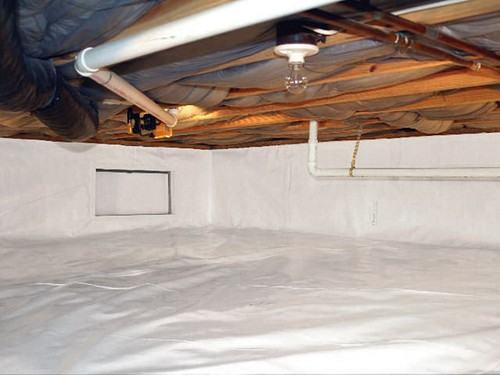
Crawl space insulation stops cold floors by creating a thermal barrier between the outside air and the living area. When you install proper materials under your floor joists, you prevent heat from escaping through the floorboards and block chilly drafts from seeping into your home.
In Buda, Texas, changing weather patterns often cause floors to feel like ice during winter months. Crawl space Insulation prevents this by keeping the temperature under your home stable. This article explains how these systems work and what you should watch for when choosing materials.
Industry experts with years of experience in Texas building science often find that poor air sealing matters as much as the insulation itself. Relying on accurate data and proven installation methods ensures your home stays comfortable throughout the year.

The main reason for cold floors involves air movement. If your crawl space vents allow outside air to flow freely, your floorboards act as a bridge for that cold air to enter your living room. The floor acts like a giant radiator, pulling heat away from your feet.
Many older homes in this area were built with vented crawl spaces, which was once the standard practice. However, these spaces often allow moisture and cold air to reach your subfloor. Without a layer of protection, your heating system works harder to keep the room temperature consistent.
You have two primary options for addressing cold floors. You can either insulate the floor joists or seal the entire crawl space. Each method offers specific benefits depending on your home’s layout.
Batt Insulation: These rolls fit between your floor joists. They work well if your crawl space remains dry and you prioritize cost.
Spray Foam: This product expands to fill every crack. It provides both insulation and air sealing in one application.
Closed Crawl Space: This involves sealing the vents and using a dehumidifier. It effectively turns the crawl space into a mini basement.
When you select a product, you must consider the climate in Buda. High humidity can damage certain materials if they become wet.
|
Material Type |
Moisture Resistance |
Installation Speed |
Cost Estimate |
|
Fiberglass Batts |
Low |
Fast |
Low |
|
Mineral Wool |
Moderate |
Medium |
Medium |
|
Spray Foam |
High |
Slow |
High |
|
Rigid Foam Boards |
High |
Medium |
Medium |
Before you start, you need to assess the current condition of your crawl space. If you have standing water or active plumbing leaks, you must fix those problems first. Adding insulation over wet wood invites mold growth and can lead to structural rot.
Check for Pests: Ensure your crawl space is free of rodents or insects. These animals will tear apart fiberglass insulation to create nests.
Verify Vapor Barriers: A thick plastic liner on the ground prevents soil moisture from rising. This step is mandatory before adding insulation to the ceiling of the crawl space.
Look for Air Leaks: Check where pipes enter the home. Use spray foam to seal these small gaps. Even a tiny opening lets in enough cold air to negate the effect of thick insulation.
Bonus Tip: Focus on air sealing before adding insulation. If air can bypass the material, the insulation will not perform as expected.
The climate in Texas involves periods of intense heat and unexpected cold snaps. Your insulation choices should account for both. Installing high-quality spray foam is a common recommendation for Buda residents because it creates a permanent air seal.
Because the ground temperature remains relatively steady, sealing the crawl space often provides better results than just insulating the floor joists. This keeps the entire area under your home at a more comfortable temperature, which prevents the floor from becoming a cold surface.
Bonus Tip: Use a dehumidifier in your crawl space if you decide to seal the vents. This keeps the wood moisture content low and prevents structural decay over time.
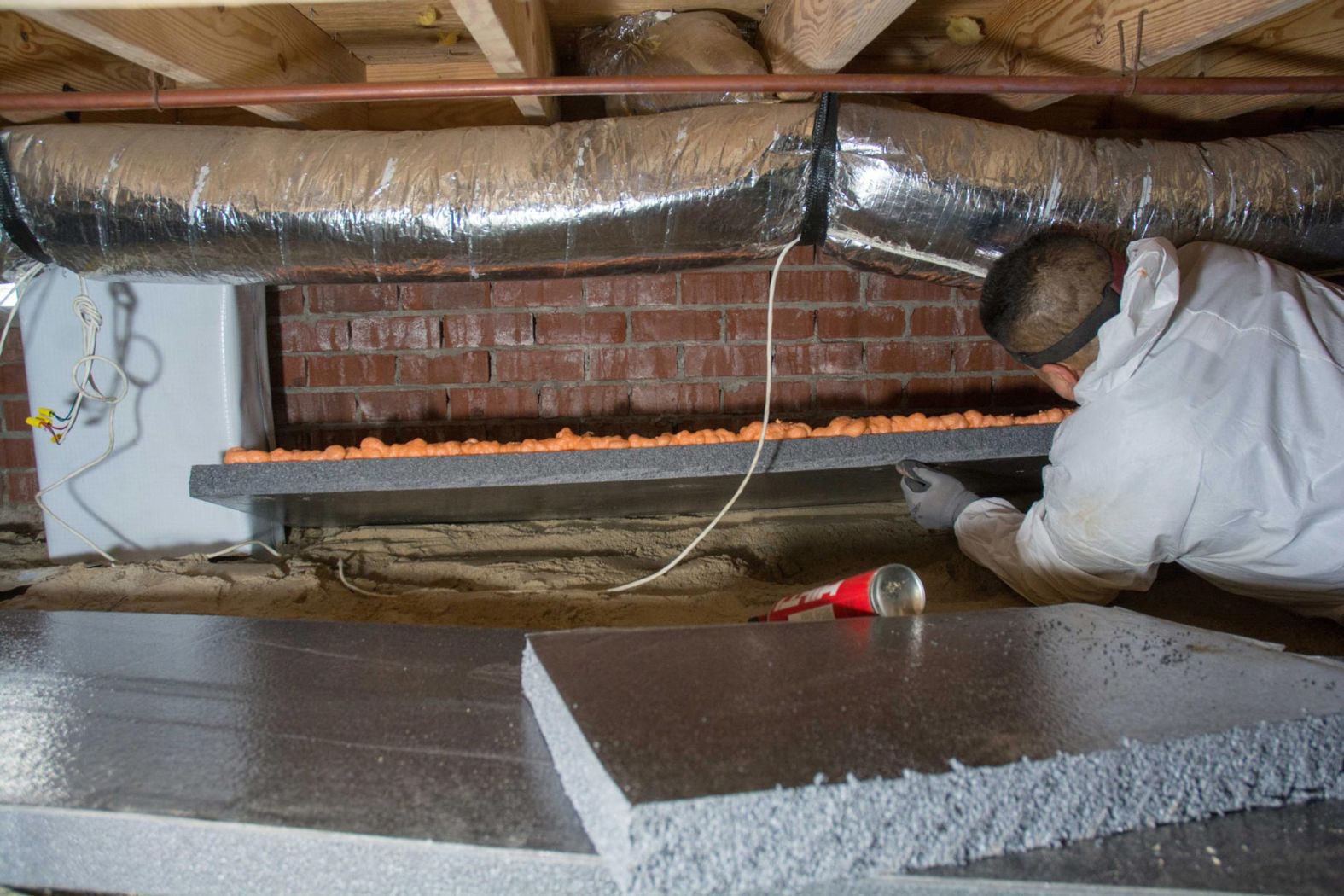
Understanding how your home reacts to temperature changes helps you identify the best solution. Many homeowners find that simple fixes like sealing gaps around the perimeter walls solve most of the issues.
Is the floor cold in specific rooms or everywhere? If it is only one room, a single gap in the perimeter might be the culprit.
Does the floor feel damp? Dampness indicates a moisture issue that requires a vapor barrier, not just insulation.
Have you had plumbing work recently? Sometimes contractors move insulation and fail to replace it correctly.
Fixing cold floors in Buda involves managing air flow and moisture. By sealing your crawl space and choosing the right insulation material, you create a thermal barrier that keeps your home comfortable throughout the changing seasons. Evaluate your specific needs, check for existing moisture, and prioritize air sealing to achieve the best results. Investing in professional advice ensures that your home remains efficient and comfortable for years to come.
Deciding on the right insulation method depends on your home’s specific architecture. If you need help evaluating your crawl space, consider reaching out to Stellrr Insulation & Spray Foam. They provide detailed assessments to identify why your floors feel cold and which materials will serve your home best in the Texas climate. You can reach their team at [email protected] or call them at (512) 710-2839 for a consultation. Taking this step ensures you choose a durable solution that keeps your home comfortable year-round.
Does adding insulation change how my HVAC system runs?
Yes, it reduces the load on your furnace. When the floor is no longer acting as a cold bridge, your home retains heat much better, allowing your system to cycle less frequently.
Will insulation help with summer humidity?
Yes, it works both ways. A sealed and insulated crawl space keeps out the hot, humid air during the summer, preventing moisture from causing problems inside your home.
Can I install the insulation by myself?
You can, but it is often difficult and messy. Crawl spaces are tight and often contain wires, pipes, and debris. Professionals have the tools to install materials safely and quickly.
How long does the insulation last?
Spray foam can last for decades if it remains dry. Fiberglass may need replacement after 15 to 20 years if it sags or gathers moisture.
Does a sealed crawl space need maintenance?
It requires periodic checks. You should inspect your dehumidifier filter annually and look for any new signs of moisture or pest entry points to ensure your system remains effective.

© 2025 Crivva - Hosted by Airy Hosting Managed Website Hosting.