

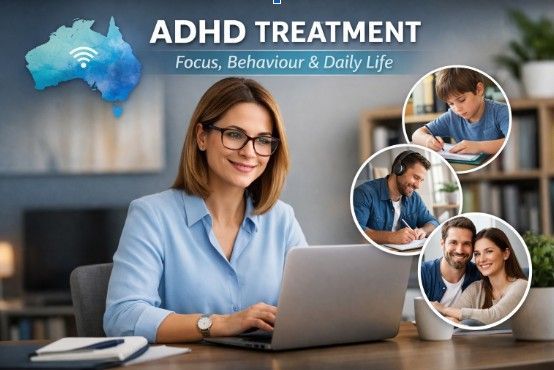
Living with Attention-Deficit/Hyperactivity Disorder (ADHD) can affect nearly every part of daily life, from work and study to relationships and emotional well-being. For many Australians, finding the right ADHD Treatment can make a meaningful difference in improving focus, managing behaviour, and creating healthier routines. With modern telehealth services now widely available across Australia, accessing professional support has become more convenient than ever.
ADHD is not simply about being distracted or hyperactive. It is a neurodevelopmental condition that affects attention regulation, impulse control, organisation, and emotional responses. Without proper support, symptoms can interfere with school performance, workplace productivity, social interactions, and overall quality of life. However, with the right treatment approach, many people experience significant improvements in their confidence, concentration, and everyday functioning.
ADHD affects both children and adults, although symptoms can appear differently depending on age and lifestyle. Some individuals mainly struggle with inattentiveness, while others experience hyperactivity and impulsive behaviour. Many people experience a combination of both.
Common ADHD symptoms include:
These challenges can create frustration in everyday situations. Adults may struggle with workplace responsibilities, while children may find school environments overwhelming. Over time, unmanaged ADHD can also affect self-esteem, relationships, and mental health.
Seeking support early can help reduce the long-term impact of ADHD symptoms. Early intervention allows individuals to develop strategies that improve concentration, emotional regulation, and behavioural control before challenges become more severe.
For children, early treatment may support:
For adults, treatment can help with:
The earlier ADHD is identified and managed, the easier it becomes to create positive habits and coping strategies that support long-term wellbeing.
One of the biggest benefits of professional ADHD support is improved focus and attention. Many people with ADHD describe feeling mentally scattered or unable to stay engaged with tasks for long periods.
Treatment approaches often help individuals:
Structured treatment plans may help reduce distractions and increase the ability to stay on task. This can be especially beneficial for students, professionals, and individuals managing busy households.
ADHD can affect working memory, making it difficult to remember appointments, deadlines, or instructions. Treatment strategies often include practical organisational tools that make daily life more manageable.
Constantly battling distractions can be exhausting. Effective support can help individuals feel more mentally clear and less overwhelmed throughout the day.
With professional guidance, many individuals learn techniques for planning tasks, managing schedules, and breaking large projects into achievable steps.
Behavioural challenges are common in people living with ADHD. Impulsivity, frustration, emotional outbursts, and difficulty following routines can affect relationships at home, school, and work.
Behavioural support aims to improve self-awareness and help individuals respond more calmly in different situations.
Many people with ADHD experience intense emotions or mood fluctuations. Therapy and behavioural strategies can help individuals identify triggers and develop healthier coping mechanisms.
ADHD can sometimes impact listening skills or lead to impulsive interruptions during conversations. Learning communication strategies can improve social interactions and strengthen relationships.
Consistent routines are highly beneficial for ADHD management. Structured daily habits can reduce stress and improve productivity.
Behavioural support can help individuals pause before reacting, improving decision-making and reducing conflict in personal or professional settings.
Proper ADHD management often leads to improvements that extend far beyond attention and behaviour. Many individuals notice positive changes across multiple areas of daily living.
Adults with ADHD may struggle with deadlines, multitasking, or maintaining attention during meetings. Treatment can support better organisation, improved focus, and stronger workplace confidence.
Many Australians who receive support report:
Children, teenagers, and university students with ADHD can benefit from strategies that improve concentration and learning habits. Academic support may help with:
ADHD symptoms can affect communication, patience, and emotional responses. Treatment often improves self-awareness, which can lead to healthier family, social, and romantic relationships.
When ADHD symptoms are unmanaged, people may feel frustrated by repeated challenges or misunderstandings. Achieving better control over daily tasks can significantly improve confidence and emotional well-being.
ADHD management is not the same for everyone. Treatment plans are usually personalised based on age, symptoms, lifestyle, and individual needs.
A professional ADHD assessment is typically the first step. Assessments may involve interviews, behavioural questionnaires, and discussions about medical and personal history.
Behavioural therapy can help individuals develop practical coping skills and emotional regulation strategies. Counselling may also assist with anxiety, stress, or low self-esteem linked to ADHD.
Healthy routines can play an important role in ADHD management. Professionals may recommend:
In some cases, medication may be recommended as part of a broader treatment plan. Medication should always be discussed with a qualified healthcare professional who can assess suitability and monitor progress.
Telehealth services have made ADHD support far more accessible for Australians, particularly for people living in regional or remote areas.
Online consultations allow individuals to receive professional guidance from home, reducing travel time and making appointments more convenient.
Telehealth appointments can fit around work, study, or family responsibilities, making it easier to maintain ongoing support.
Some people feel more comfortable discussing symptoms from home rather than attending a clinic in person.
Australians living outside major cities may have limited access to specialised mental health services. Telehealth helps bridge that gap.
At HelloDoc, telehealth services aim to provide accessible mental health support for Australians seeking professional ADHD guidance and care.
Children with ADHD often face challenges in school settings and social environments. Early support can help improve behaviour, concentration, and emotional regulation during important developmental years.
Parents may notice improvements such as:
Parental support and involvement are also important parts of effective ADHD management for children.
Many adults are only diagnosed with ADHD later in life after years of struggling with focus, organisation, or emotional regulation.
Adult ADHD treatment often focuses on:
Receiving a diagnosis and treatment plan can provide clarity and practical tools that improve quality of life.
In addition to professional support, everyday habits can make ADHD symptoms easier to manage.
Consistent schedules reduce confusion and help build healthy habits.
Calendars, planners, alarms, and task lists can improve organisation and time management.
Large projects may feel overwhelming. Smaller tasks are often easier to complete and maintain focus on.
Quiet workspaces and reduced screen distractions can improve concentration.
Regular sleep and physical activity can positively affect mood, energy, and attention levels.
Some individuals delay treatment because they assume their symptoms are simply personality traits or bad habits. However, persistent ADHD symptoms can affect long-term wellbeing if left unmanaged.
It may be time to seek support if symptoms are:
Professional guidance can help identify appropriate support strategies and treatment options.
Awareness and understanding of ADHD continue to improve across Australia, but stigma still exists. Some people may feel embarrassed or hesitant to seek help because of outdated misconceptions about ADHD.
In reality, ADHD is a recognised neurodevelopmental condition that can affect people of all ages and backgrounds. Seeking support is a positive step towards improving health, productivity, and quality of life.
Education and open conversations can help reduce stigma and encourage more Australians to access the care they need.
ADHD management is not about changing who someone is. The goal is to provide tools and support that help individuals function more effectively in everyday life.
Long-term benefits may include:
With ongoing support and practical strategies, many individuals with ADHD lead highly successful and fulfilling lives.
Living with ADHD can present daily challenges, but effective support can make a meaningful difference. From improving focus and behaviour to strengthening relationships and workplace performance, the right treatment approach can support healthier and more balanced living.
Whether support involves behavioural strategies, therapy, lifestyle changes, or telehealth consultations, seeking help is an important step towards better wellbeing. Across Australia, more people are now accessing professional ADHD care through convenient online services, making support easier to reach than ever before.

© 2025 Crivva - Hosted by Airy Hosting Managed Website Hosting.