

If you’re looking into hiring a janitorial service, chances are something isn’t working the way it should.
Maybe staff are complaining about restrooms not being stocked. Maybe dust keeps piling up around workstations. Or inspections are coming up and suddenly every smudge on the glass looks louder than usual. I’ve seen this across office complexes, manufacturing sites, even healthcare buildings — cleaning gets pushed to the background until it quietly turns into a reputational and operational risk.
So let’s get straight to it.
Most facility managers and business owners considering a janitorial service are trying to solve one of three problems:
Sometimes all three at once.
Below, I’ll walk through the real, practical benefits of hiring a professional janitorial team — not brochure-level promises, but what actually changes inside a facility once it’s done right.
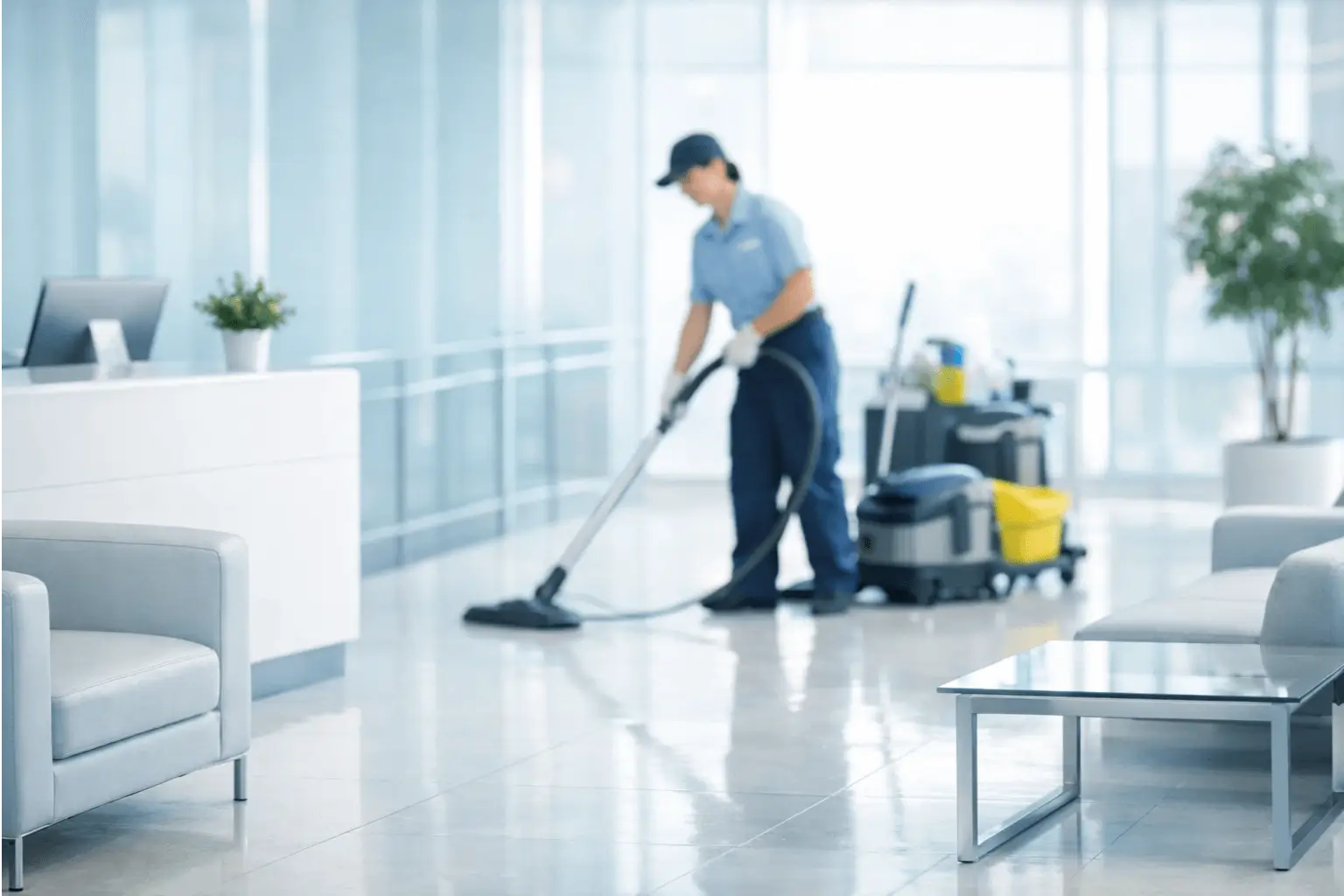
At its core, a janitorial service handles ongoing, routine cleaning and facility maintenance tasks inside commercial buildings. That includes:
But here’s where things get interesting.
Experienced contrctor teams don’t just “clean.” They follow structured cleaning protocols, use commercial-grade materail and equipment, and schedule tasks based on traffic patterns and contamination risk — not guesswork.
In healthcare-adjacent environments, cleaning standards often align with guidance from agencies like the Centers for Disease Control and Prevention (CDC). In workplace safety contexts, procedures may reference sanitation standards influenced by the Occupational Safety and Health Administration (OSHA).
That framework matters. Because cleaning isn’t random. It’s risk management.
When cleaning is handled internally — say, by maintenance staff who are also fixing lights and handling plumbing — you get inconsistency. Some days it’s spotless. Other days it’s barely adequate.
Professional janitorial services operate differently.
They use:
In most facilities I’ve overseen, once a professional schedule was implemented, complaint tickets dropped by 40–60%. That’s not because people suddenly became less picky. It’s because the cleaning finally matched the building’s usage.
Consistency reduces friction. Employees notice, visitors notice too.
And a clean environment subconsciously communicates competence. It just does.
A common hesitation: “Isn’t outsourcing more expensive?”
Short answer — it depends.
Here’s what most people miss.
When you calculate in-house cleaning costs properly, it’s not just wages:
Many facilities underestimate these hidden variables.
With a structured janitorial contract, costs are fixed monthly in most cases. You eliminate hiring cycles, training delays and surprise absences. If someone calls out sick, the vendor replaces them. You don’t scramble.
I’ve done side-by-side comparisons for mid-sized office buildings (around 25,000–40,000 square feet), and outsourcing often comes within 5–10% of in-house staffing — sometimes cheaper depending on region. Especially when labor laws shift or minimum wage increases on cities.
The real takeaway is financial predictability. You know what you’ll pay. That stability simplifies budgeting dramatically.
Indoor air quality and surface contamination aren’t visible risks. But they impact absenteeism, employee performance and brand perception.
Post-pandemic, expectations shifted. High-touch disinfection, HEPA vacuum filtration, cross-contamination control — they’re no longer optional add-ons. They are baseline expectations now.
The importance of proper cleaning isn’t limited to homes. In fact, many of the same principles discussed in The Hidden Health Benefits of Having Your Home Professionally Cleaned apply to commercial facilities as well — especially when it comes to air quality, allergen control, and microbial reduction.
Professional janitorial companies often train teams using industry guidelines influenced by CDC disinfection recommendations. That includes:
I’ve walked into facilities where cleaning crews were mixing chemicals incorrectly. That’s a liability. And yes, it happens more than owners realize.
Proper janitorial services reduce these risks — even if it’s not obvious day-to-day.
A small thing that makes a big difference: equipment.
Commercial auto-scrubbers, burnishers, electrostatic sprayers — they cost thousands. And they’re not used correctly without training.
For example:
Professional teams use to maintain maintenance logs for equipment and calibrate cleaning systems regularly.
You’re not just paying for labor. You’re paying for technical execution.
And that protects your building assets long term.
This one gets overlooked.
Clean workspaces reduce distractions. Clutter and odors create cognitive fatigue. Studies around indoor environmental quality suggest measurable productivity differences when air and cleanliness standards are maintained.
Even if we ignore formal research — experience shows this clearly.
Facilities with visible neglect often experience morale drops. I’ve seen organizations invest heavily in HR initiatives while ignoring cleaning standards. It doesn’t work. People notice when restroom supplies run out repeatedly.
A well-maintained environment signals respect. That matters more than most managers expects.
If your building expands, occupancy increases, or operating hours change, an in-house cleaning model struggles to adapt.
Janitorial companies scale easier.
Need:
They can add resources without rewriting internal job roles or reworking payroll structures.
This flexibility is one of the strongest arguments for outsourcing in multi-site operations.
Another angle that often gets ignored — insurance exposure.
Professional janitorial firms carry:
If an internal employee mishandles chemicals or slips on a wet floor without signage, responsibility sits fully in-house.
Outsourcing shifts a significant portion of operational cleaning risk to a insured vendor.
That’s not about avoiding responsibility. It’s about structured risk allocation.
And in today’s regulatory environment, that matters more every year.
If you run a manufacturing facility, your job is production efficiency. If you manage a medical practice, your priority is patient care. Cleaning logistics shouldn’t consume management time.
Yet it does.
I’ve sat in operations meetings where supervisors spent 20 minutes debating mop replacement instead of discussing supply chain delays.
Once cleaning was outsourced, those discussions disappeared. Leadership focus sharpened. It sounds small but it isn’t.
Operational clarity improves when non-core tasks are handled externally.
Hiring any cleaning company isn’t the goal. Hiring the right one is.
Here’s a practical evaluation checklist:
Be cautious of ultra-low bids. Pricing that seems too good typically results in reduced labor hours — and that shows up quickly in building condition.
One more thing: request a trial period. Performance over 30–60 days tells you more than a polished sales presentation.
To stay fair — outsourcing isn’t universal solution.
Very small facilities (under 5,000 square feet) sometimes operate efficiently with part-time internal cleaning staff. Highly controlled environments like certain labs may also prefer fully internal teams due to access control protocols.
But for mid-size to large commercial properties, structured janitorial services usually outperform hybrid setups in consistency and cost efficiency.
People don’t consciously evaluate flooring shine levels. They just feel when a space is well maintained.
Clients walking into reception areas, prospective employees touring offices, regulatory inspectors evaluating operations — all draw conclusions quickly.
The state of your facility either reinforces credibility or quietly erodes it.
And that perception forms in seconds.
The real takeaway is this: janitorial services aren’t about appearances alone. They’re about operational discipline, risk reduction, employee well-being and asset protection.
When cleaning runs smoothly, nobody talks about it. And that’s exactly how it should be.
If you’re currently debating whether to outsource, don’t frame the decision around “cleaning.” Frame it around reliability, liability control, and management bandwidth.
In most projects I’ve been part of, once professional janitorial services was implemented correctly, facility complaints decreased, management time freed up, and inspections became far less stressful.
That shift alone often justifies the move.

© 2025 Crivva - Hosted by Airy Hosting Managed Website Hosting.