


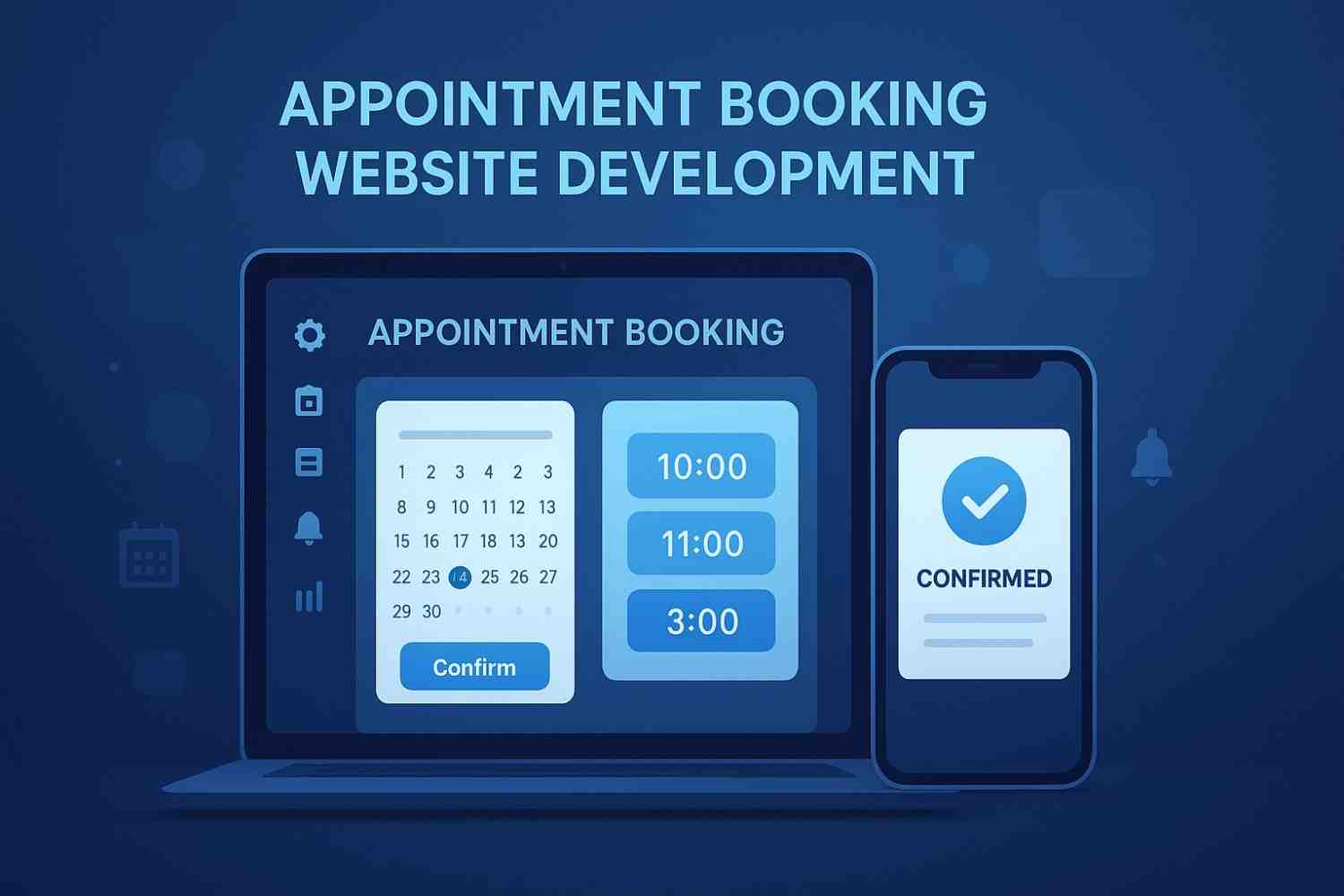
Digital transformation in the healthcare and wellness industry has accelerated at an unprecedented pace. Today’s patients expect seamless appointment booking, instant access to service details, and smooth communication with their healthcare providers. Clinics, hospitals, wellness centers, therapy studios, and medical practitioners are rapidly adopting healthcare & wellness appointment website solutions to modernize the patient journey.
A well-built medical and wellness booking platform not only enhances convenience for patients but also improves operational efficiency, reduces no-shows, and helps providers manage daily workflows more effectively. This guide covers everything you need to know about building, optimizing, and benefiting from a fully integrated appointment solution.
Healthcare and wellness appointment solutions are digital systems designed to help patients book consultations, select services, and manage their health schedules through an easy-to-use online interface.
These platforms automate the process of:
Scheduling doctor or therapist appointments
Booking wellness treatments and therapy sessions
Managing patient or client records
Streamlining staff availability
Handling online payments and reminders
A modern booking platform for healthcare and wellness businesses usually includes:
Appointment booking module
Patient profile management
Staff/doctor availability system
Services and treatment categories
Automated reminders
Integrated payment options
Secure data handling systems
Together, these components create a frictionless experience for both patients and service providers.
To deliver a truly seamless experience, your platform must include the following essential features.
This is the foundation of any appointment system. Online scheduling allows patients to view available time slots and book appointments in real time. Calendar integration ensures:
Multi-calendar sync
Accurate slot availability
No double bookings
Easy monitoring for doctors and staff
Patient profiles are crucial in healthcare settings. They may include:
Basic information
Medical history
Records of past appointments
Wellness or treatment preferences
Ongoing treatment plans
This helps doctors and therapists offer personalized care.
Healthcare and wellness businesses often have multiple providers, such as:
Doctors
Physiotherapists
Wellness coaches
Massage therapists
Nutritionists
Yoga instructors
Your booking system must support multi-provider scheduling with unique working hours and service types.
Virtual appointments have become a major part of healthcare delivery. A strong system includes:
Video consultation integration
Pre-appointment forms
File upload options for reports
Secure chat options
Automated communication reduces no-show rates by up to 40 percent. Common reminders include:
Appointment confirmations
Pre-session preparation messages
Follow-up reminders
Cancellation alerts
Healthcare providers often require consent forms or health questionnaires. Digital forms simplify this process and save time during appointments.
Offer easy and secure payment modes for:
Consultation fees
Therapy sessions
Tests or diagnostics
Package renewals
For clinics and hospitals, integrating Electronic Medical Record (EMR) or Electronic Health Record (EHR) systems improves data flow and provides a central database for patient information.
Admins, staff, doctors, and receptionists should have controlled access levels to manage appointments, records, schedules, and reports.
Creating a high-performance booking platform requires planning, technical expertise, and a deep understanding of patient needs.
Start by identifying:
Services offered
Number of providers
Workflow (consultation, therapy, diagnosis, follow-up)
Booking rules
Whether virtual consultations are needed
Clear requirements help define the platform’s structure.
Map out the exact flow a patient takes, from discovering the service to completing the appointment. A streamlined journey typically includes:
Service selection
Provider selection
Time slot selection
Form submission
Payment
Confirmation
Each step must feel intuitive and quick.
Healthcare systems must prioritize security, speed, and scalability.
Frontend: React, Vue.js, Angular
Backend: Node.js, Django, Laravel
Database: MongoDB, PostgreSQL, MySQL
Hosting: AWS, Azure, Google Cloud
Compliance with HIPAA/GDPR is important if sensitive medical data is handled.
The UI/UX should be:
Clean
Minimal
Patient-friendly
Accessible
Buttons, slot selections, service categories, and forms must be easy to navigate.
This includes:
Slot generation logic
Staff availability
Appointment rules (gaps, buffers, overlapping logic)
Calendar integration (Google, Outlook)
Time-zone support
Accurate scheduling builds patient trust.
Add features tailored for healthcare and wellness needs like:
Treatment history
Medication or routine reminders
Follow-up scheduling
Test booking and report upload options
Therapy sessions calendar
Integrate secure solutions for:
Online consultation fees
Therapy packages
Advance deposits
Cancellations and refunds
Options may include UPI, cards, wallets, PayPal, or Stripe.
Set up automated communication through:
SMS
Automation saves staff time and keeps patients consistently updated.
Testing ensures:
The booking flow works smoothly
No conflicts occur during peak traffic
Mobile usability is optimized
Speed is consistent
Healthcare users expect reliability.
After launch:
Track booking abandonment rate
Analyze user feedback
Add new features
Improve UI/UX regularly
Continuous optimization enhances engagement and performance.
Patients can book anytime, anywhere—no waiting calls or long queues.
Automated reminders help reduce missed appointments significantly.
Receptionists and staff spend less time handling calls and manual scheduling.
Digital platforms store all records securely and systematically.
Doctors and providers can manage workload, shift timings, and patient flow effectively.
A booking platform works round-the-clock, maximizing appointment opportunities.
| Feature | Traditional Booking | Digital Booking Platform |
|---|---|---|
| Appointment Method | Phone/Walk-in | Online 24/7 |
| Errors | High | Low |
| Scheduling | Manual | Automated |
| Patient Convenience | Limited | Very High |
| Staff Workload | High | Reduced |
| Data Storage | Paper/Files | Secure Digital Records |
Digital solutions clearly offer stronger efficiency, better customer satisfaction, and improved operational clarity.
Doctors, pediatricians, dermatologists, gynecologists, and specialists.
Massage therapy studios, wellness spas, holistic therapy centers.
Rehabilitation, sports therapy, and chiropractic adjustments.
Meal planning, lifestyle consultation, and follow-up sessions.
Class booking, session scheduling, trainer selection.
Blood tests, scans, and medical imaging appointments.
The flexibility of these systems makes them suitable for nearly all healthcare and wellness providers.
Design the platform with clear navigation, minimal steps, and easy readability.
Most patients book through mobile devices; your site must load quickly and function flawlessly.
Use encryption, two-factor authentication, and secure data management protocols.
Patients should understand services, pricing, provider experience, and session details instantly.
Avoid complex forms; keep the process quick and simple.
Provide chat, call, or email support for patients needing assistance.
| Component | Cost Level |
|---|---|
| Booking Engine | Medium |
| Calendar Integration | Medium–High |
| EMR/EHR Integration | High |
| Payment Gateway | Medium |
| UI/UX Design | Medium |
| Testing & Security | Medium–High |
| Maintenance | Ongoing |
Costs vary depending on features, complexity, integrations, and customization levels.
Use smart logic for multi-provider scheduling, availability rules, and resource allocation.
Implement encryption, compliance standards, and secure databases.
Use cloud-based scalable infrastructure to maintain speed and performance.
Include real-time availability updates and locking mechanisms during booking.
Use APIs to integrate with EMR/EHR platforms or hospital management systems.
A well-designed healthcare & wellness appointment website solution is no longer optional—it’s essential for delivering modern, efficient, and patient-friendly services. A reliable medical and wellness booking platform improves satisfaction, enhances operational efficiency, and ensures smooth experiences for both patients and providers.
With features like online scheduling, calendar integration, automated reminders, secure payments, and personalized patient journeys, these systems empower healthcare and wellness businesses to grow sustainably in a digital-first world. Read More : https://msmcoretech.com/blogs/essential-online-booking-system-features
In today’s digital-first healthcare landscape, patients expect convenience, speed, and accessibility. Clinics, wellness centers, hospitals, spas, physiotherapy units, and diagnostic labs are adopting smart healthcare & wellness appointment website solutions to reduce wait times, eliminate manual errors, and improve patient satisfaction.
A well-optimized medical and wellness booking platform is more than a scheduling tool—it’s a digital front desk that works 24/7, enhances patient experience, and streamlines administrative operations. This detailed guide explains the essential components, integrations, UI/UX standards, features, and best practices required to build a powerful appointment website for the healthcare and wellness industry.
The demand for online scheduling has skyrocketed. Patients today expect:
The ability to book appointments anytime
Instant confirmations without phone calls
Reduced waiting room time
Access to doctors, therapists, or wellness experts based on real-time availability
Transparent pricing, service lists, and consultation types
Reminders, follow-ups, and digital documentation
For healthcare providers, an online appointment system ensures:
Fewer no-shows
Higher patient conversion
Streamlined operations
Better utilization of staff time
Lower front-desk workload
Real-time calendar syncing
.

© 2025 Crivva - Hosted by Airy Hosting Managed Website Hosting.