


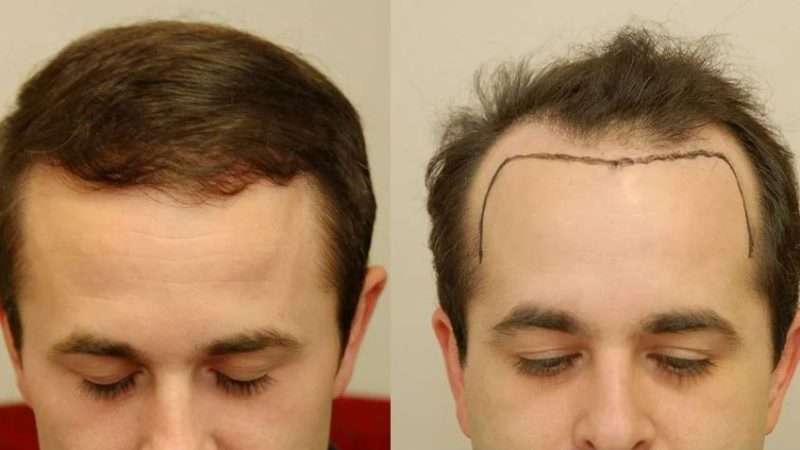
Hair loss is a growing concern for both men and women, affecting self-confidence, appearance, and social interactions. Thanks to modern medical advancements, hair transplant procedures now offer a safe, permanent, and natural-looking solution to hair thinning and baldness. With techniques like FUE (Follicular Unit Extraction) and DHI (Direct Hair Implantation), patients can restore hair density and achieve a youthful hairline without invasive surgery or long recovery times.
This article explores everything you need to know about hair transplants in 2025: the types of procedures, costs, before-and-after expectations, and the factors that determine successful results.
A hair transplant is a surgical procedure that moves hair follicles from a donor area (typically the back or sides of the scalp) to areas affected by hair loss. Unlike topical treatments or medications, a hair transplant provides a permanent solution because transplanted follicles are resistant to DHT (dihydrotestosterone), the hormone responsible for male pattern baldness.
Modern hair transplant procedures aim to mimic the natural growth pattern of hair. A skilled surgeon carefully plans graft placement, direction, and density to ensure the hairline looks realistic and blends seamlessly with existing hair.
Hair transplants are no longer limited to the outdated strip method (FUT). Today, advanced methods provide better results with minimal discomfort.
FUE is the most widely used hair transplant technique worldwide. Each follicular unit is extracted individually using a micro-punch and implanted into the recipient area.
Advantages of FUE:
No linear scar
Minimal downtime and faster recovery
High graft survival rate
Natural-looking hairline
DHI is an advanced version of FUE that uses a specialized implanter pen to simultaneously extract and implant hair follicles.
Advantages of DHI:
Higher control over the angle, depth, and direction of implanted follicles
Dense packing for maximum coverage
Reduced handling of grafts, increasing the survival rate
Excellent natural hairline creation
FUT involves removing a strip of scalp from the donor area and dissecting it into individual follicular units for transplantation.
Limitations:
Leaves a linear scar
Longer healing time
Less comfortable than FUE or DHI
Considered less popular in modern clinics
Hair transplants are suitable for individuals with:
Receding hairlines
Bald patches or crown thinning
Stable hair loss patterns
Healthy donor hair availability
While age can be flexible, the ideal candidate is usually between 25 and 55 years old. The procedure is also beneficial for those who have tried medications like minoxidil or finasteride but still face persistent hair loss.
A thorough consultation with a qualified surgeon is essential to assess hair density, donor area quality, and the patient’s expectations before proceeding.
One of the most common questions online is about hair transplant before and after results. Understanding the growth timeline helps set realistic expectations.
After the procedure, transplanted hair may shed — a normal part of the process known as shock loss. The follicles remain intact and ready to grow.
Thin, soft hair starts appearing in the recipient area. This is the first visible sign that the transplant is working.
Hair density increases, and the hairline begins to look natural. Most patients notice a significant transformation during this period.
Full hair growth is achieved, and transplanted hair blends seamlessly with existing hair. Proper graft placement and angle ensure a natural appearance.
Factors affecting results:
Donor hair quality
Number of grafts
Surgeon’s skill and experience
Hairline design and placement
Post-operative care compliance
The cost of a hair transplant varies based on multiple factors:
Number of grafts needed
Technique used (FUE, DHI, Sapphire FUE)
Clinic reputation and surgeon expertise
Location and infrastructure
Additional services (PRP, post-op care, medications)
Typical cost in Pakistan:
2000–4000 grafts: Rs. 70,000 – 110,000
Larger sessions or advanced techniques may range higher
While cost is important, quality and safety should always be the priority. Opting for cheaper clinics can compromise results and long-term hair growth.
FUE and DHI require minimal downtime. Most patients return to work within 2–5 days.
Gentle washing of the scalp
Avoiding direct sunlight
Preventing friction or pressure on the transplanted area
Transplanted follicles are genetically resistant to DHT, ensuring permanent growth.
A skilled surgeon designs a hairline that complements facial features, age, and hair characteristics, avoiding an artificial appearance.
Permanent solution to hair loss
Restores confidence and youthfulness
Natural-looking results
Minimal downtime and low complication rates
Compatible with styling, cutting, and grooming
Hair transplants are no longer just cosmetic procedures; they are an investment in appearance and self-esteem.
Is a hair transplant painful?
Modern techniques involve local anesthesia. Most patients experience mild discomfort that fades after the first few days.
How long does it take to see results?
Initial growth starts around month 3. Major changes appear by month 6–9, with final results by 12–14 months.
Can women undergo hair transplants?
Yes. Women with thinning hair or bald patches are also good candidates, provided there is sufficient donor hair.
How many grafts do I need?
Graft count depends on the extent of hair loss and desired density. A surgeon can provide a precise estimate after assessment.
Advances in technology, surgical skill, and post-operative care have made hair transplants safer and more effective than ever. Techniques like FUE and DHI allow for dense packing, minimal scarring, and faster recovery. Patients today achieve results that are virtually indistinguishable from natural hair, boosting confidence and quality of life.
A hair transplant is the most effective, permanent solution for hair loss in 2025. With modern techniques, personalized planning, and expert surgeons, patients can restore a natural hairline, increase density, and regain self-confidence.
Before choosing a clinic, research thoroughly, review before-and-after results, and consult with an experienced surgeon. With proper care and realistic expectations, a hair transplant can be a life-changing procedure.
For more detailed guidance, expert consultation, and professional hair restoration services, visit Dot Clinics.

© 2025 Crivva - Hosted by Airy Hosting Managed Website Hosting.