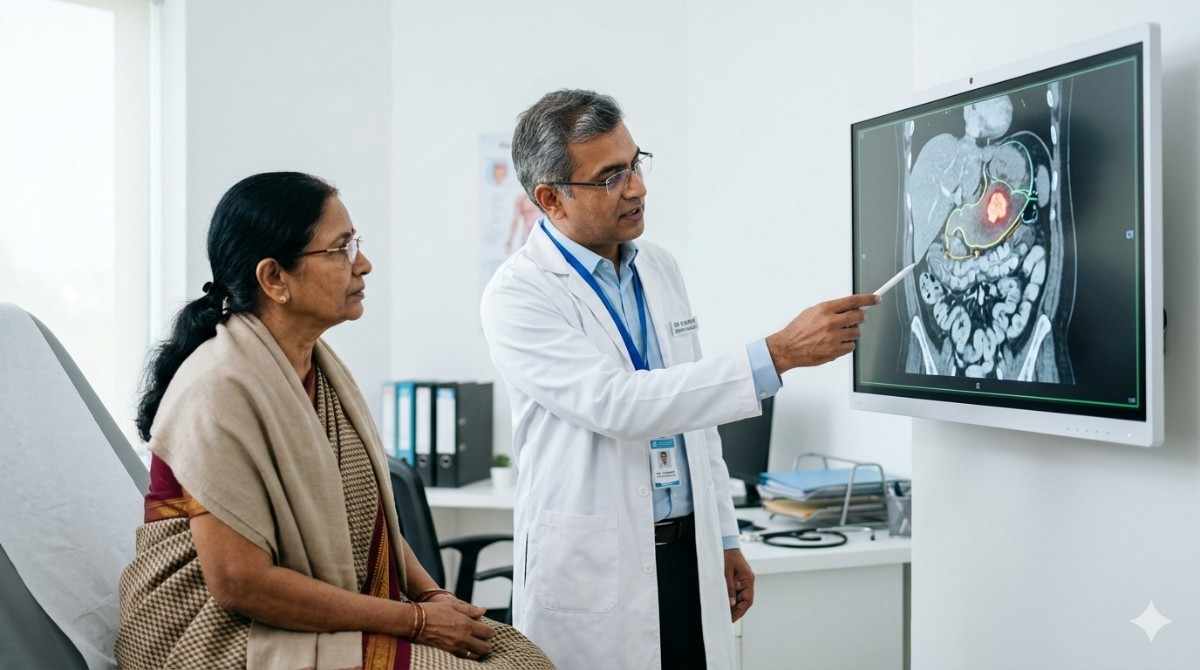
Factors such as high consumption of spicy and processed foods, tobacco use, chronic alcohol intake, Helicobacter pylori infection, and late presentation to healthcare facilities significantly contribute to the rising incidence of digestive cancers in the region. Additionally, Rajasthan has a notably higher prevalence of gallbladder cancer compared to other parts of India, making specialized care in this field critically important.
Fortunately, advancements in medical technology and the growing availability of specialized cancer hospitals in Rajasthan have transformed the landscape of GI cancer treatment. Today, patients have access to comprehensive care that includes early diagnosis, advanced surgical techniques, chemotherapy, targeted therapy, and multidisciplinary treatment planning—all within the state.
Understanding Gastrointestinal Cancers
Gastrointestinal cancers refer to a group of malignancies that affect the digestive tract and associated organs. These cancers often develop silently, with symptoms appearing only in advanced stages. Because early signs can mimic common digestive issues, many patients delay seeking medical attention, which reduces the chances of curative treatment.
Types of GI Cancers
The most commonly diagnosed GI cancers include:
- Esophageal cancer (food pipe)
- Gastric cancer (stomach)
- Liver cancer (hepatocellular carcinoma)
- Gallbladder cancer
- Pancreatic cancer
- Colorectal cancer (colon and rectum)
- Small intestinal tumors (rare)
Among these, gallbladder cancer deserves special attention in Rajasthan due to its higher regional prevalence. Chronic gallstone disease, environmental factors, and genetic predisposition are believed to contribute to this increased incidence. Early screening and timely surgical intervention are crucial for improving outcomes in such cases.
Symptoms of Gastrointestinal Cancers
Recognizing the warning signs of GI cancers is essential for early diagnosis and treatment. While symptoms may vary depending on the organ involved, some common signs should never be ignored.
Common Warning Signs
- Persistent abdominal pain or discomfort
- Unexplained weight loss
- Loss of appetite or early satiety
- Nausea and vomiting
- Difficulty swallowing
- Blood in stool or black tarry stools
- Jaundice (yellowing of skin and eyes)
- Chronic acidity or heartburn not responding to medication
- Presence of a lump in the abdomen
These symptoms may appear mild initially but can indicate serious underlying conditions. Consulting a qualified cancer specialist in Rajasthan at the earliest can significantly improve the chances of successful treatment.
Diagnosis of Gastrointestinal Cancers
Accurate diagnosis and staging are critical steps in planning effective treatment. Modern cancer centers in Rajasthan are equipped with advanced diagnostic technologies that help detect cancer at earlier stages and determine its extent.
Diagnostic Tests Used
- Upper GI endoscopy and colonoscopy with biopsy
- Endoscopic ultrasound (EUS)
- CT scan of the abdomen and pelvis
- MRI for liver and soft tissue evaluation
- PET-CT scan for detecting metastasis
- Tumor markers such as CA 19-9, CEA, and AFP
- ERCP for bile duct and pancreatic evaluation
A thorough diagnostic workup ensures that treatment is tailored to each patient’s specific condition, minimizing unnecessary procedures and improving outcomes.
Surgical Treatment of GI Cancers
Surgery remains the cornerstone of curative treatment for most gastrointestinal cancers, especially when diagnosed at an early or operable stage. Skilled surgical oncologists in Rajasthan perform complex procedures with precision, aiming to remove the tumor completely while preserving organ function as much as possible.
Key Surgical Procedures
- Esophagectomy for esophageal cancer
- Gastrectomy (partial or total) for stomach cancer
- Whipple procedure for pancreatic cancer
- Liver resection (hepatectomy) for liver tumors
- Extended cholecystectomy for gallbladder cancer
- Colectomy for colon cancer
- Rectal resection for rectal cancer
These surgeries often involve removal of surrounding lymph nodes to prevent cancer spread and improve long-term survival rates.
Minimally Invasive GI Surgery
In recent years, minimally invasive techniques such as laparoscopic and robotic-assisted surgeries have revolutionized GI cancer treatment. Many leading cancer hospitals in Rajasthan now offer these advanced procedures for selected patients.
Benefits of Minimally Invasive Surgery
- Smaller incisions
- Reduced blood loss
- Less postoperative pain
- Shorter hospital stay
- Faster recovery
- Better cosmetic outcomes
These techniques require specialized expertise and advanced infrastructure, which are increasingly available in modern cancer centers across Rajasthan.
Non-Surgical Treatment Options
Not all GI cancers are treated with surgery alone. In many cases, a combination of treatments is used to achieve the best results.
Chemotherapy and Targeted Therapy
Chemotherapy may be given before surgery (neoadjuvant) to shrink tumors, after surgery (adjuvant) to prevent recurrence, or as the main treatment for advanced cancers. Targeted therapies, such as trastuzumab for HER2-positive gastric cancer and bevacizumab for colorectal cancer, have improved outcomes in selected patients.
Radiation Therapy
Radiation therapy is commonly used in:
- Rectal cancer (before surgery)
- Esophageal cancer
- Palliative care to relieve symptoms in advanced stages
Modern radiation techniques ensure precise targeting of cancer cells while minimizing damage to surrounding healthy tissues.
Importance of Specialized GI Cancer Care in Rajasthan
The treatment of gastrointestinal cancers requires a highly specialized and coordinated approach. Complex procedures such as liver resections, pancreatic surgeries, and gallbladder cancer operations demand experienced surgical oncologists and well-equipped medical facilities.
What Patients Should Look For
- Experienced GI and surgical oncologists
- Hospitals with dedicated cancer units
- Availability of ICU and advanced surgical infrastructure
- Multidisciplinary tumor board approach
- Access to chemotherapy, radiation, and supportive care
- Postoperative nutrition and rehabilitation support
Choosing the right hospital and specialist can make a significant difference in treatment outcomes and quality of life.
Early Detection and Timely Treatment Save Lives
One of the biggest challenges in GI cancer care is delayed diagnosis. Many patients ignore early symptoms or rely on home remedies, leading to advanced-stage detection when treatment becomes more complex and less effective.
Regular health check-ups, especially for high-risk individuals, can help detect cancer early. Screening programs for colorectal cancer and timely evaluation of persistent digestive symptoms are essential steps toward improving survival rates.
Consult a GI Cancer Specialist in Rajasthan Today
If you or your loved ones are experiencing persistent digestive symptoms, do not delay seeking medical advice. Early consultation with a qualified cancer specialist can lead to timely diagnosis and significantly better outcomes.
With the availability of advanced surgical care, modern diagnostic tools, and comprehensive cancer treatment facilities, patients in Rajasthan no longer need to travel far for world-class care. Expert GI oncologists are equipped to provide personalized treatment plans tailored to each patient’s needs.
Taking action at the right time can save lives.