


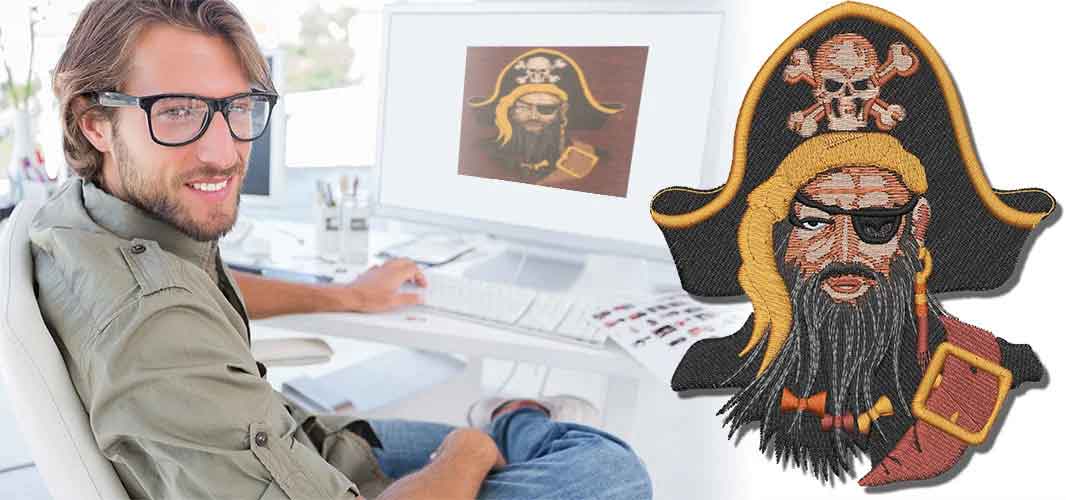
The art of embroidery has journeyed from hand-stitched tapestries to digitally perfected designs, yet its core remains unchanged: it is a medium of expression. Today, the process of Embroidery Digitizing stands at the intersection of tradition and innovation, transforming how designers and brands approach textile creation. As technology advances, so do the possibilities for creativity, efficiency, and sustainability in embroidery. For designers, staying ahead means not only mastering current tools but anticipating the shifts that will redefine the industry.
From artificial intelligence to eco-conscious practices, the future of embroidery digitizing is being shaped by trends that promise to elevate the craft to new heights. This article delves into the key developments every designer should watch, offering insights into how these changes will influence workflows, creativity, and the very fabric of embroidery itself.
One of the most transformative trends in embroidery digitizing is the integration of artificial intelligence (AI) and machine learning. Gone are the days when digitizing was solely a manual, time-intensive process. AI is now stepping in as a collaborative partner, enhancing both precision and creativity.
How AI is revolutionizing digitizing:
Automated Stitch Optimization: AI algorithms can analyze a design and recommend the most efficient stitch paths, reducing thread waste and production time.
Error Prediction: Machine learning models can identify potential issues, such as puckering or thread breaks, before the design reaches the embroidery machine.
Customization at Scale: AI-powered tools enable designers to create personalized designs for individual customers without sacrificing efficiency.
While some fear that AI might replace human creativity, the reality is quite the opposite. AI serves as a tool that amplifies a designer’s vision, handling repetitive tasks and allowing more room for innovation.
Embroidery is no longer limited to simple logos or traditional patterns. With advancements in digitizing software and techniques, designers are now creating hyper-realistic embroidery that mimics textures, shadows, and depth with astonishing accuracy.
Key techniques driving this trend:
Thread Blending: By strategically layering threads of varying colors and opacities, digitizers can achieve gradients and shading that resemble painted artwork.
3D Puff Embroidery: This technique uses foam underlay to create raised, three-dimensional effects, adding tactile depth to designs.
Micro-Stitching: Ultra-fine stitches allow for intricate details, making it possible to replicate complex imagery like portraits or landscapes.
This trend is pushing the boundaries of what embroidery can achieve, turning garments and textiles into canvases for storytelling and artistic expression.
As the world becomes increasingly eco-conscious, the embroidery industry is adapting to meet new standards of sustainability. Digitizing plays a crucial role in this shift, enabling practices that reduce waste and promote ethical production.
Ways digitizing is embracing sustainability:
Efficient Stitch Planning: Optimized digitizing minimizes thread usage and reduces the environmental footprint of each design.
Eco-Friendly Materials: Designers are pairing digitized files with sustainable threads and fabrics, such as recycled polyester or organic cotton.
Long-Lasting Designs: Durable digitizing ensures embroidered pieces withstand wear and tear, promoting longevity over fast fashion.
For brands, sustainable digitizing is not just an ethical choice—it’s a competitive advantage that resonates with environmentally aware consumers.
The digitizing process is becoming increasingly collaborative, thanks to cloud-based platforms. These tools allow designers, digitizers, and manufacturers to work together in real time, regardless of their physical location.
Benefits of cloud-based digitizing:
Seamless File Sharing: Designers can instantly share and review digitized files with clients or team members, streamlining feedback and revisions.
Version Control: Cloud platforms ensure everyone is working on the latest version of a design, reducing errors and miscommunication.
Accessibility: With digitizing software hosted in the cloud, designers are no longer tied to a single device or location.
This trend is democratizing embroidery digitizing, making it accessible to freelancers, small businesses, and global enterprises alike.
The Internet of Things (IoT) is making its way into the world of embroidery, giving rise to “smart” textiles. These are fabrics embedded with technology, such as sensors or LEDs, that interact with their environment.
How digitizing fits into smart embroidery:
Conductive Threads: Digitizers are incorporating conductive threads into designs, enabling embroidered circuits that power wearable technology.
Interactive Designs: Embroidery can now include elements that respond to touch, light, or motion, creating dynamic user experiences.
Data Tracking: In industrial applications, digitized embroidery can include QR codes or RFID threads for tracking and authentication.
This trend is blurring the lines between fashion, technology, and functionality, opening up new possibilities for innovation.
Consumers today crave uniqueness, and embroidery digitizing is at the forefront of the personalization movement. With on-demand production, brands can offer customized designs without the overhead of mass production.
The role of digitizing in personalization:
Automated Customization: Software can now generate digitized files for individualized text, monograms, or graphics in minutes.
Direct-to-Garment Integration: Digitizing tools are increasingly compatible with DTG printers, allowing for hybrid designs that combine print and embroidery.
E-Commerce Workflows: Online platforms enable customers to visualize and customize embroidered products before purchase, with digitizing happening automatically in the background.
This trend is reshaping retail, allowing brands to build deeper connections with their audience through bespoke creations.
Augmented reality (AR) is adding a new dimension to embroidery, both in the design process and the consumer experience. Designers can use AR to visualize how a digitized design will look on a garment before stitching, while customers can interact with embroidered products in immersive ways.
Applications of AR in embroidery:
Virtual Try-Ons: Shoppers can use AR to see how an embroidered piece will look on them, increasing confidence in online purchases.
Interactive Packaging: Embroidery tags or patches can trigger AR experiences, such as tutorials or brand stories, when scanned with a smartphone.
Design Preview: Digitizers can overlay designs onto virtual mockups, making it easier to assess placement and scale.
By bridging the physical and digital worlds, AR is enriching the value and appeal of embroidered products.
The future of Embroidery Digitizing is a tapestry woven with threads of innovation, sustainability, and creativity. As AI, hyper-realistic techniques, and smart technologies continue to evolve, designers have an unprecedented opportunity to push the boundaries of what embroidery can achieve. By embracing these trends, they can not only stay relevant but also lead the charge in shaping a dynamic and inclusive industry.
The journey ahead is one of collaboration—between humans and machines, tradition and technology, art and purpose. For those ready to adapt and innovate, the future of embroidery digitizing is not just bright; it’s boundless.

© 2025 Crivva - Hosted by Airy Hosting Managed Website Hosting.








