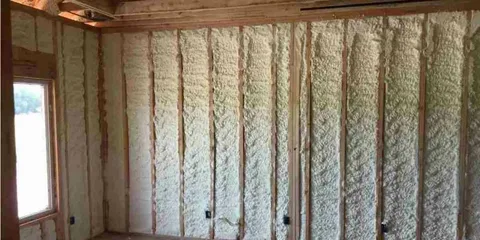
Understanding the difference between Fire Retardant vs Fire Resistant Spray Foam helps you make the right choice for your property’s safety. Fire retardant foam contains chemicals that slow down the spread of flames and reduce heat release during a fire. In contrast, fire resistant foam refers to a complete assembly that can withstand fire for a specific period, preventing it from passing through walls or ceilings.
This guide provides a detailed look at how these materials perform under pressure. You will learn about building codes, safety ratings, and how to choose the right protection for your project. Professional installers have seen how these products react in real-world scenarios, making this information essential for any property owner.
When you look at Fire Retardant vs Fire Resistant Spray Foam, you are evaluating how materials handle extreme heat. Most spray foam products are naturally combustible because they are petroleum-based. To make them safe for homes, manufacturers add chemicals that create fire safety spray foam insulation materials. These additives help the foam self-extinguish once the flame source is removed.
The main goal of these materials is to give occupants more time to escape. Whether you are looking at Residential Insulation or Commercial building insulation, the rating matters. Professionals focus on these details to ensure your building meets local safety standards while providing high thermal performance.
It is helpful to look at how these two categories differ in practical application. Flame retardant foam is often the standard for Residential Spray Foam Insulation. It is designed to resist ignition from small sources like a stray spark or a short circuit. It does not mean the foam is fireproof, but it is much safer than untreated materials.
Fire-resistant systems are more common in Commercial Spray Foam Insulation projects. These settings often require strict hourly ratings to prevent fire from moving between floors or units. When you evaluate a spray foam fire performance comparison, you see that fire-resistant assemblies are much more robust because they are designed to stay structurally sound even when exposed to intense heat for a long duration. These application differences are often mandated by the specific legal requirements discussed in the next section.
|
Feature |
Fire Retardant Foam |
Fire Resistant Assembly |
|---|---|---|
|
Primary Goal |
Slows the spread of flames |
Blocks fire passage for a set time |
|
Common Rating |
Class A or Class 1 |
1-hour or 2-hour rating |
|
Testing Method |
ASTM E84 (Surface Burning) |
ASTM E119 (Endurance) |
|
Typical Use |
Attic Insulation and walls |
Multi-family and commercial walls |
|
Component |
Single material |
Multi-layer system |
Local laws dictate what kind of insulation you must use in different parts of a building. The International Residential Code (IRC) and International Building Code (IBC) have strict rules for safe insulation materials for fire protection. Generally, spray foam must be separated from the interior of the building by an approved thermal barrier.
This barrier is usually a half-inch gypsum board. However, in areas like an attic or a crawlspace that are only used for service, an ignition barrier might be enough.
The terms thermal barrier and ignition barrier are common in the industry. A thermal barrier is a material that stays in place for 15 minutes during a fire. This delay is vital for safety. An ignition barrier is less intense and is used in areas where people do not live or work, such as some crawlspaces.
Using thermal barrier and ignition barrier spray foam correctly prevents legal and safety issues. Many modern foams come with an “intumescent” coating that can be sprayed over the foam. This coating chars and expands when heated, creating a shield. This is a great solution for Wall Insulation where adding drywall might be difficult or impossible.
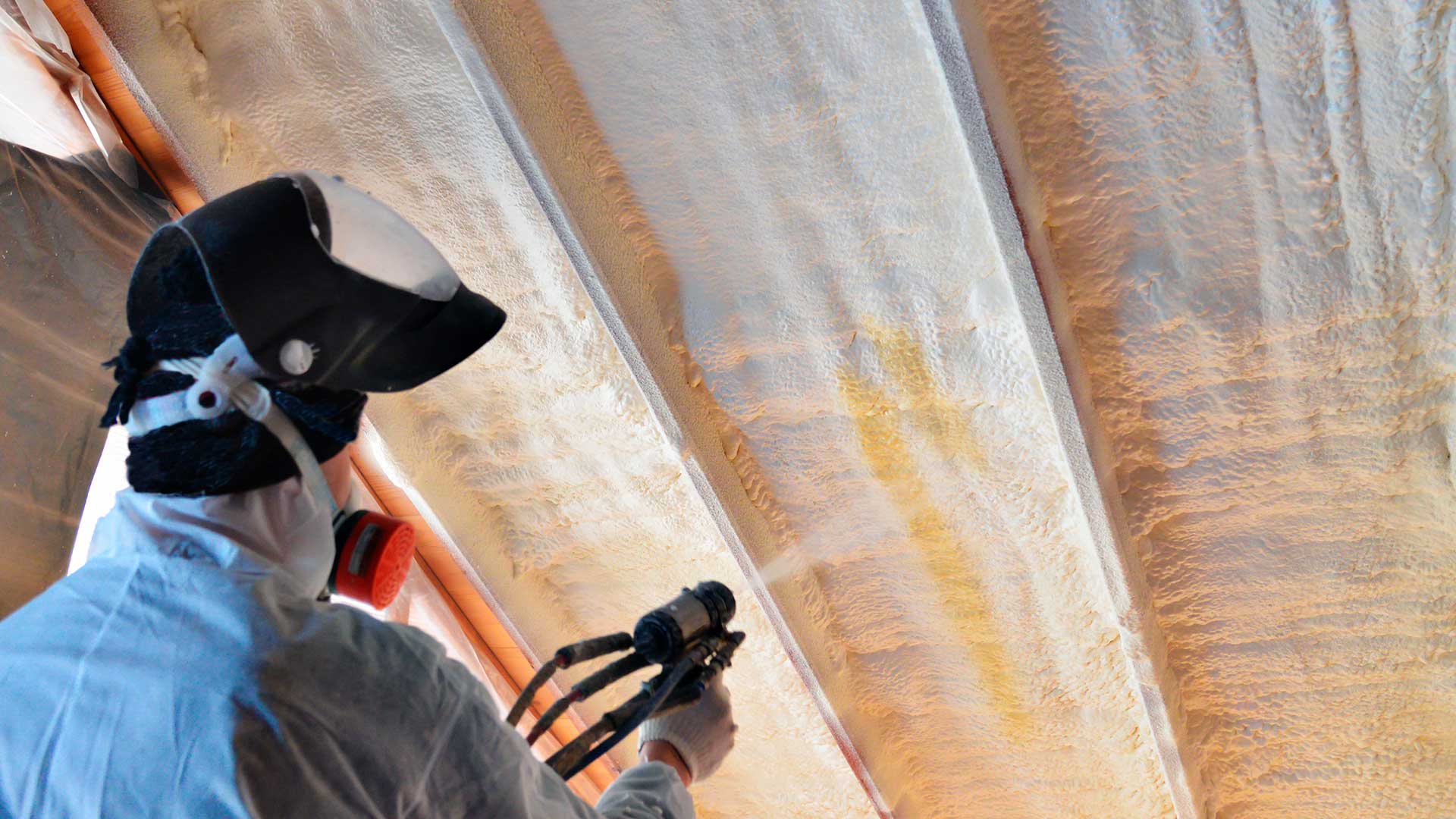
The density of the foam changes how it reacts to fire. Closed cell spray foam fire resistance is often higher because the material is much denser. It contains less air and more solid material, which can slow down the melting process. Closed cell is also a great choice for Commercial building insulation because it adds structural strength and acts as a vapor barrier.
Open Cell Insulation is lighter and more flexible. While it also contains fire retardants, it may require a thicker thermal barrier because it is less dense. When choosing between them, consider the location.
A complete system approach is the best way to ensure safety. These fire protection insulation systems integrate the foam with other building materials. For example, a fire-rated wall might include steel studs, mineral wool, and spray foam. This mix provides both energy efficiency and safety.
This comprehensive safety approach is vital when considering that fire departments respond to a home fire every 93 seconds in the United States. Using spray foam insulation fire safety standards helps reduce the risk of these fires becoming catastrophic.
To summarize the technical distinction, the primary difference lies in the test results and the intended outcome. Fire retardant foam focuses on the material itself and how it burns on the surface. It is about “flame spread” and “smoke development.” You want these numbers to be as low as possible. Most quality foams achieve a Class A rating, which is the best for surface burning.
Fire-resistant foam is about the “endurance” of a complete wall or floor assembly. It measures how long it takes for the fire to burn through to the other side.
Before you start an insulation project, you should evaluate several factors. Safety is the top priority, but performance and cost also matter.
Bonus Tip: If you are using Cellulose Insulation alongside spray foam, ensure both materials have compatible fire ratings to avoid creating a hazard.
Hiring a team that understands Fire Retardant vs Fire Resistant Spray Foam is vital. They will know exactly which products are required for your Residential Insulation or commercial project. They also handle the messy parts, like Insulation Removal of old, dusty materials that might be a fire risk themselves.
Professional installers use calibrated equipment to ensure the foam is mixed at the right temperature and pressure. This ensures the fire-retardant chemicals are evenly distributed. If the mix is off, the foam might not perform as expected during a fire. Trusting an expert ensures that your fire-rated spray foam insulation works exactly as the manufacturer intended.

If you are unsure about the requirements for your project, reaching out to a professional is the best next step. They can provide a clear plan that meets all spray foam insulation fire safety standards. The team at Stellrr Insulation & Spray Foam offers expert guidance on Fire Retardant vs Fire Resistant Spray Foam to ensure your project is both efficient and safe. You can contact them at (512) 710-2839 or via email at [email protected] to discuss your needs. They provide detailed assessments for Residential Spray Foam Insulation and commercial projects alike. Visit their office or check their location on this map: https://maps.app.goo.gl/Kn97GfC6mWUq8gkV8 to get started on your property improvement. Request a free quote today to see how they can help you achieve a safer, more comfortable space.
No, spray foam is not fireproof. It is a combustible material that is treated with retardants to slow the spread of flames. It must be covered with a thermal barrier in most living spaces to meet safety codes.
Generally, no. Building codes usually require a 15-minute thermal barrier, like drywall over spray foam in basements. Some specific foams with special coatings might be allowed, but you should always check with a local inspector.
A Class A rating means the material has a flame spread index between 0 and 25. This is the highest rating possible for surface burning, indicating the material resists fire better than Class B or C materials.
The fire retardant chemicals are integrated into the foam during the manufacturing process. They do not evaporate or wear off, providing consistent protection for the life of the insulation.
While fire resistant assemblies often include dense materials that help with sound, the foam itself varies. Open cell foam is typically better for sound dampening, while closed cell is better for structural and moisture protection.

© 2025 Crivva - Hosted by Airy Hosting Managed Website Hosting.