

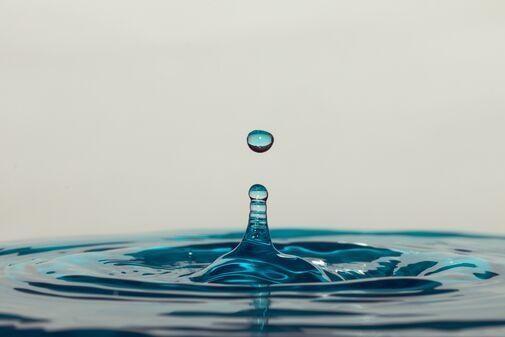
Different types of water are used for distinct purposes, from daily hydration to industrial processes. It’s one of the most important compounds in the world, being used daily for many different tasks and reasons. Whether you are looking to quench your thirst, calibrate laboratory equipment or water your garden, choosing the right type is crucial to the impact it has. It’s important to understand all the different types of water, so you can know when to best use them.
In this guide, we will explore the different types of water and their uses, so you can use this important compound in its best ways. Continue reading to learn more.
Tap water is a versatile and essential resource that serves a wide range of daily needs in both residential and commercial settings. Its most common and primary uses include drinking, cooking and food preparation, as well as maintaining personal hygiene. Beyond these essential activities, it is frequently utilised for household chores like washing dishes, cleaning floors and doing laundry, ensuring sanitation and upkeep in our living environments.
In addition to its domestic applications, tap water is important for various outdoor and maintenance tasks. It is widely used for gardening and landscaping, providing necessary hydration for plants, lawns and gardens to thrive. Tap water is also used for cleaning vehicles, filling swimming pools and flushing toilets, demonstrating its role as a fundamental utility that supports the smooth operation of modern homes and businesses.
Spring water is a natural resource derived from underground sources where water travels to the surface through rock formations. It’s usually directly consumed, due to its high mineral content that offers a clean taste. It is frequently chosen for daily hydration, cooking and food preparation in households that prioritise a more natural water source.
It’s also used a lot in the beverage industry, serving as a key ingredient for bottled waters and premium drinks. It is often preferred in culinary settings where the subtle differences in mineral profile can enhance the flavour of drinks. You can really focus on your health by drinking spring water, being a must-have part of your balanced diet.
Alkaline water has a destiny pH level, which is much higher than tap water. This has turned into a popular choice for those who want to drink water that will provide better balance for their body’s acidity. Many people incorporate it into their daily routines to aid their hydration and provide them with stomach acid relief. It’s common to see this used in stores with many brands choosing to use alkaline water in their beverages.
Culinary and wellness settings also benefit from using alkaline water. It can be used to enhance the flavour of beverages, as it reduces the bitterness often associated with acidic drinks like Sprite. Those who are health-focused will have definitely drank alkaline water before, as it’s very good to drink after physical activity due to its post-workout recovery properties.
If you need water that has all of its minerals, impurities and contaminants removed, distilled water is often the go-to. It has been boiled into steam and then condensed back into liquid, which has been a life saver for many homeowners due to the compound being used in many appliances where mineral buildup need be avoided. It’s often used in steam irons, humidifiers and CPAP machines to prevent the accumulation of limescale.
Distilled water can also be used for automotive maintenance, as it’s a key part of engine cooling systems. This helps to prevent corrosion and electrolytic contamination. Laboratories can also use it to clean glassware, improving the accuracy of any tests they complete.
Purified water has been mechanically treated to remove any impurities, such as unwanted chemicals and microorganisms. This is the most reliable type of water for laboratory uses, large-scale cleaning projects and general maintenance. Standard tap water can have harmful chemicals that won’t clean anything to its maximum capability, making purified water more trustworthy.
When applications demand an even higher standard of consistency, ultrapure water (UPW) from Xylem becomes essential. UPW is critical in fields like pharmaceuticals and microelectronics, where even microscopic contaminants can lead to catastrophic failures or inaccurate results. It is indispensable for manufacturing injectable medications, as it sterilises complex surgical instruments so that scientists can perform accurate laboratory diagnostics.
Softened water is treated to remove high concentrations of minerals like calcium and magnesium, which are responsible for water hardness. This process significantly improves the efficiency of household cleaning, as softened water allows soaps and detergents to lather more effectively and prevents the formation of unsightly soap scum on surfaces. It can extend the lifespan of household appliances and reduce the need for frequent maintenance.
It is also a popular choice for laundry, where it helps keep fabrics softer and brighter by preventing mineral deposits from settling into the fibers. Overall, softened water provides a more manageable and gentle water supply for daily household cleaning and personal maintenance tasks.
Greywater refers to lightly contaminated water collected from domestic sources such as showers, sinks and washing machines. It can be safely repurposed through greywater recycling systems for various non-potable applications. You can use this water for tasks like flushing toilets or irrigation.
Households and construction projects can also significantly reduce their reliance on fresh water supplies, helping to conserve resources and lower the environmental impact associated with wastewater treatment.
Rainwater is an increasingly valuable resource that can be captured and harvested to reduce reliance on regular water supplies. Homeowners can effectively gather this natural resource for various non-potable applications, such as irrigation for gardens, landscaping and flushing toilets. This sustainable practice not only helps conserve treated freshwater resources, but also lowers utility costs, offering a simple yet impactful solution for those looking to manage water usage more responsibly in their daily lives.
It’s very easy to collect rainwater, as all you need to do is keep buckets outside of your home when you expect rainwater to fall. This gives you a good supply of it.

© 2025 Crivva - Hosted by Airy Hosting Managed Website Hosting.