Dubai is known for its modern skyline, luxury malls, and world-class attractions. But deep within the city lies a historic area that shows the true cultural roots of the UAE—Bur Dubai Village. This heritage site reflects the traditions, lifestyle, and architecture of old Dubai. It allows visitors to step back in time and understand how Emirati communities lived before Dubai grew into a global city.
Today, Bur Dubai Village is one of the best places for tourists who want to learn about Emirati culture, taste traditional food, explore old houses, and see authentic local crafts. For travelers coming from the Philippines, planning a visit also includes applying for a Dubai visa for Philippines passport holders to enjoy a smooth and comfortable trip.
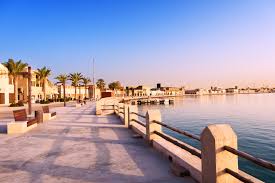
Bur Dubai Village is a reconstructed heritage village located near Dubai Creek. It is designed to represent the traditional life of Emiratis before the discovery of oil. The village features historic buildings, old-style wind towers, market areas, traditional tents, and workshops where artisans demonstrate local crafts.
The atmosphere here is calm, authentic, and culturally rich. Visitors can learn about the daily lifestyles of fishermen, pearl divers, traders, and Bedouin families. It is a great place for anyone who wants to understand the real history of Dubai beyond the skyscrapers.
Before Dubai became a global hub for tourism and business, the Bur Dubai area was one of the main residential and trading communities. Merchants, pearl divers, and fishermen lived in houses made of coral stone, mud, and palm fronds.
Bur Dubai Village highlights these traditions and ensures that future generations do not forget the cultural roots of the UAE. By preserving the heritage of the Emirati people, the village serves as a living museum.
Visitors can explore old-style courtyards, watch cultural performances, and understand how simple and peaceful life was many decades ago. This makes the village important not just for tourism, but also for education and national pride.
One of the main highlights of Bur Dubai Village is the traditional houses built using coral, gypsum, and palm wood. These homes include wind towers (called “Barjeel”), which were early cooling systems before air conditioning existed. Walking through these homes gives a real sense of life in old Dubai.
These traditional tents represent the lifestyle of desert communities who lived simply and traveled across the desert. Inside, you will find Arabic carpets, cushions, and utensils used many years ago.
The village features souqs that display handmade crafts, pottery, woven baskets, perfumes, spices, and souvenirs. Artisans often demonstrate how these items are made, giving visitors insight into local craftsmanship.
Visitors can enjoy traditional music, folk dances, and live demonstrations of local arts such as pottery, weaving, and metalwork. These performances offer a close look at Emirati traditions.
Several buildings inside the village contain displays showing tools, clothing, cooking items, and objects used by early residents. These displays help visitors connect with the past.
Since fishing and pearl diving were major occupations, the village also features wooden dhows (boats) and equipment used by sailors. This highlights Dubai’s deep connection to the sea.
The village sometimes hosts camel exhibits and falconry demonstrations. These animals have been part of Emirati culture for centuries, especially among desert families.
While Dubai is known for its futuristic buildings, the village shows a simpler and more traditional side of the city. This contrast makes the visit refreshing and interesting.
Students, families, and tourists enjoy learning about old Emirati customs. The village offers insights into traditional clothing, food, tools, and daily life.
With its old houses, stone pathways, and traditional scenes, Bur Dubai Village is excellent for photography. It captures the beauty of the UAE’s heritage.
Most areas of the village are free to enter, making it a popular place for families and budget travelers.
Visitors who have secured a Dubai visa for Philippines passport holders often explore cultural attractions like this first to understand Dubai’s rich heritage.
The courtyards are peaceful and designed to offer shade and comfort. They show how Emirati families stayed cool in the hot desert climate.
Craftsmen often demonstrate pottery making, weaving, and metal work. These live activities make the visit engaging and interactive.
Small cafés and food stalls offer traditional snacks like luqaimat (sweet dumplings), Arabic bread, and dates. These foods reflect the flavors of Emirati culture.
You can buy handmade items like carpets, jewelry, spices, perfumes, and mementos that represent Dubai’s heritage.
Performances by local groups highlight dances like Al Ayala (stick dancing), which is an important part of UAE culture.
The village is close to Dubai Creek, Al Fahidi Historical District, and the Dubai Museum, making it easy to explore several cultural spots in one trip.
The best time to visit is from October to April, when the weather is pleasant. During winter, the village often hosts festivals and special cultural events.
Weekdays are usually less crowded than weekends. Visiting early in the morning or just before sunset offers a cooler and more relaxed experience.
Since the village is a cultural site, modest clothing is recommended.
Dubai’s sun can be strong, especially during summer.
You will spend a lot of time exploring outdoor areas.
Saying simple words like “Shukran” (Thank you) makes the visit more enjoyable.
After exploring the village, taking an Abra ride across Dubai Creek enhances the cultural experience.
Bur Dubai Village is located near Al Fahidi Fort, Dubai Creek, and is easily accessible by taxi, metro, and bus. The nearest metro station is Al Fahidi Metro Station, which is within walking distance.
Travelers from the Philippines must secure a visa before visiting Dubai. Applying for a Dubai visa for Philippines passport holders is simple and can be done online. You can choose from several visa options, including:
14-day tourist visa
30-day visa
60-day visa
Make sure your passport is valid for at least six months from your date of travel.
Once your visa is approved, you can enjoy all of Dubai’s historical attractions, including Bur Dubai Village.
Bur Dubai Village gives visitors a chance to experience Dubai’s past and understand how the city developed from a quiet coastal community into a global destination. The village offers traditional architecture, cultural exhibits, live performances, and a warm Emirati atmosphere.
For tourists, especially those from the Philippines, it is a meaningful destination to add to their itinerary after obtaining a Dubai visa for Philippines passport holders.
Bur Dubai Village offers a deep and meaningful look into the heritage of Dubai. It highlights the traditional lifestyle of Emirati families, showcases cultural arts, and preserves the charm of old Dubai. Whether you want to see historic buildings, enjoy cultural performances, or learn about local crafts, the village provides a unique and educational experience.
It is a reconstructed heritage area that shows traditional Emirati life, culture, and architecture.
Yes, most parts of the village are free to enter, though some activities may have small fees.
You can explore old houses, markets, Bedouin tents, craft workshops, cultural shows, and maritime exhibits.
You can explore the village in 1 to 2 hours, depending on how many activities you choose.
Yes, the traditional structures, pathways, and cultural displays make it perfect for photography.
Yes, travelers can apply online for a Dubai visa for Philippines passport holders** before their trip.
Yes, it is located very close to the Dubai Museum and Dubai Creek, making it easy to combine these visits.

© 2025 Crivva - Hosted by Airy Hosting Managed Website Hosting.