


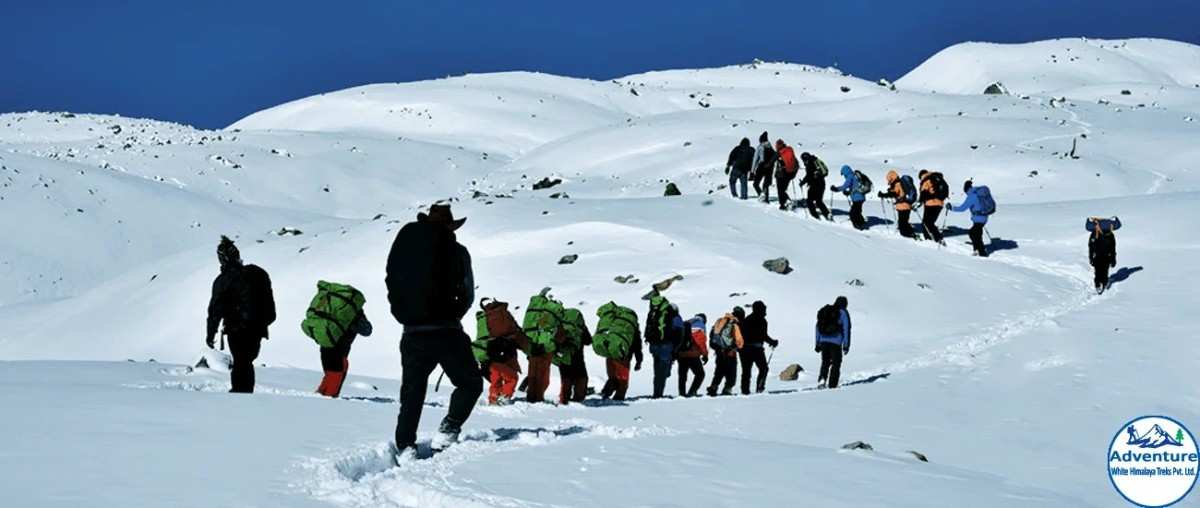
A Journey to the Roof of the World
Climbing Island Peak is more than just a trek—it is an adventure that challenges your limits and rewards you with breathtaking Himalayan views. Rising high in the Everest region of Nepal, Island Peak is a favorite among climbers who want to experience high-altitude mountaineering without attempting the extreme heights of Everest itself. The trek combines scenic trails, Sherpa villages, glaciers, and the excitement of summiting a Himalayan peak. It is perfect for those who wish to test their endurance, explore Nepal’s rich culture, and witness some of the most stunning landscapes in the world.
The Trek Overview
The Island Peak climb is often combined with the classic Everest Base Camp trek. The full journey usually takes 15–18 days, depending on acclimatization and pace. Trekkers cover roughly 70–75 kilometers from Lukla to the summit area. Island Peak itself reaches a maximum elevation of 6,189 meters, making it a challenging yet achievable climb for trekkers with moderate mountaineering experience. The route passes through Sherpa villages, rhododendron forests, and icy terrain, offering a mix of natural beauty and adventure at every turn. Along the way, trekkers cross suspension bridges, rivers, and ridges that provide stunning views of the surrounding mountains, glaciers, and valleys.
Preparation and Acclimatization
Climbing Island Peak requires good physical fitness and proper acclimatization to prevent altitude sickness. Most itineraries include rest days at Namche Bazaar, Dingboche, and Lobuche to adjust gradually to higher altitudes. Proper acclimatization is key, as it allows the body to adapt to thinner air and avoid serious complications at high elevations. Climbers use basic mountaineering equipment such as crampons, ice axes, harnesses, and ropes. A certified guide is highly recommended to ensure safety on icy and steep sections. With proper preparation, Island Peak offers a safe introduction to Himalayan climbing while pushing your physical and mental limits.
Day-to-Day Trekking Experience
The journey begins in Lukla, a small town with a famous short airstrip. From here, trekkers follow trails through pine and rhododendron forests, gradually ascending toward Namche Bazaar. The trail is lively with trekkers, yaks, and porters, and offers views of distant peaks like Kusum Kanguru and Thamserku. Namche Bazaar, the gateway to the Everest region, is a bustling village filled with teahouses, local markets, and souvenir shops. Spending a day here helps with acclimatization while allowing trekkers to explore Sherpa culture.
From Namche, the trail continues to Tengboche, home to one of the most famous monasteries in the region. The Tengboche Monastery offers panoramic views of Ama Dablam, Everest, and Lhotse, making it a perfect spot for photography and reflection. Continuing past Pangboche and Dingboche, trekkers experience the serene beauty of high-altitude valleys. Each village along the trail has unique charm, with traditional houses, prayer flags, mani walls, and friendly locals welcoming travelers with tea and local delicacies.
Cultural Highlights
One of the most rewarding aspects of the Island Peak trek is experiencing the Sherpa culture. Villages like Namche Bazaar, Pangboche, and Dingboche allow trekkers to witness everyday life in the high Himalayas. The Sherpa people follow Buddhist traditions, and prayer flags, stupas, and monasteries are common sights along the trail. Visitors can interact with locals, taste traditional food, and learn about centuries-old customs. These cultural encounters make the trek more than just an adventure—they transform it into a journey of learning and discovery.
Nature’s Splendor
The Island Peak trail offers endless opportunities to enjoy nature. Dense forests of rhododendron and pine bloom in spring with vibrant colors. Rivers and waterfalls flow through valleys, reflecting the sunlight and creating serene scenes. Glacial moraines near Lobuche and Island Peak Base Camp showcase the power of natural forces at high altitudes. Along the way, trekkers may spot Himalayan wildlife such as snowcocks, blue sheep, and yaks grazing in the meadows. Each day brings a new perspective on the region’s ecological diversity and majestic landscapes.
Summit Day Adventure
The final climb to Island Peak is a thrilling experience. Early in the morning, climbers set out with crampons, ropes, and ice axes. The path is steep, with icy slopes and rocky ridges requiring focus and determination. Crossing crevasses and navigating glacier sections test both skill and courage. Reaching the summit at 6,189 meters provides a sense of achievement and awe. The panoramic view from the top includes Everest, Lhotse, Nuptse, Ama Dablam, and other Himalayan giants. Sunrise and sunset paint the mountains in golden hues, creating a memory that lasts a lifetime.
Adventure and Personal Challenge
Island Peak climbing is an adventure that tests both body and mind. Each day on the trail builds endurance, and each steep ascent teaches patience and determination. Facing icy ridges and high-altitude conditions challenges trekkers to push beyond their limits. Yet, the reward of standing on the summit, feeling the cold wind, and seeing the vast Himalayan panorama makes every effort worthwhile. It is a journey of personal growth, resilience, and unforgettable adventure.
Practical Tips
The best time to climb Island Peak is from March to May or September to November, when weather conditions are stable, and skies are clear. Nights can be extremely cold, especially near the summit, so carrying warm clothing, gloves, and layers is essential. Trekking boots with good grip, a walking stick, a lightweight sleeping bag, and mountaineering equipment are necessary. Hydration, rest, and gradual acclimatization are critical to avoid altitude sickness. Hiring a certified guide and using proper safety gear ensures a smoother and safer journey.
Why Choose Island Peak
Island Peak is ideal for trekkers and aspiring climbers seeking adventure, challenge, and natural beauty. Unlike the overcrowded Everest Base Camp trail, Island Peak offers serenity and a chance to engage with local culture. From Sherpa villages to glacier moraines, from forest trails to icy ridges, the trek combines all aspects of a Himalayan adventure. Every step is an opportunity to experience nature, test endurance, and enjoy moments of awe and reflection.
Conclusion
Climbing Island Peak is more than a physical challenge—it is a journey into the heart of the Himalayas. From vibrant Sherpa villages to icy summit ridges, from serene forests to majestic peaks, every moment is filled with adventure and wonder. The trek offers cultural immersion, breathtaking views, and a test of personal limits. For anyone seeking an unforgettable Himalayan experience, Island Peak promises a journey of triumph, discovery, and lasting memories.

© 2025 Crivva - Hosted by Airy Hosting Managed Website Hosting.








