Architecture has always been a mirror of civilization — reflecting not just culture and technology but also the evolving relationship between humans and their environment. Yet, in the face of rapid climate change, population growth, and technological disruption, one concept has begun to redefine how we think about the built environment: Adaptive Architecture.
Unlike traditional designs that remain static from the day they are completed, adaptive architecture embraces change. It’s a philosophy that envisions buildings as living entities — capable of responding to environmental shifts, user needs, and the passage of time. This new wave of design thinking is revolutionizing everything from urban planning to residential construction, setting the stage for a more flexible and sustainable future.
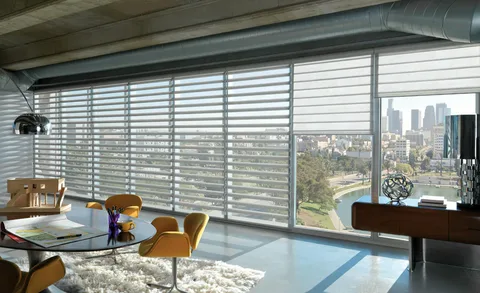
Adaptive architecture refers to structures designed with flexibility and resilience at their core. These buildings can modify their form, function, or systems based on changing external or internal conditions. For instance, a building may adjust its façade to control light and heat, expand or contract based on space requirements, or even alter its layout in response to how occupants use it.
At its heart, adaptive architecture is not about change for its own sake. It is about creating longevity and relevance in the built environment. By making structures adaptable, architects can extend their usability, reduce waste, and promote harmony between the built and natural worlds.
While adaptive architecture sounds like a modern innovation, its roots trace back centuries. Traditional structures across cultures often displayed remarkable adaptability.
Desert dwellings in the Middle East used thick walls and courtyards to regulate temperature.
Japanese homes employed sliding screens (shoji) to transform interior spaces according to the season or activity.
Vernacular architecture in coastal regions often adapted to local weather and material availability.
However, the rise of industrialization and mass production in the 20th century shifted architectural priorities toward uniformity and permanence. Today, as sustainability becomes central again, architects are rediscovering the wisdom of adaptability — now armed with advanced materials and digital tools.
Adaptive architecture thrives on a few foundational principles that guide its design philosophy:
Flexibility
Spaces are designed to accommodate multiple functions. For instance, movable walls, modular furniture, or retractable roofs allow buildings to morph based on users’ needs.
Resilience
Buildings must withstand environmental stresses — from floods to heatwaves — while maintaining functionality. Resilience also means the ability to recover and evolve after a disruption.
Sustainability
Adaptability inherently reduces waste. When buildings can change with minimal demolition or reconstruction, their environmental footprint drops significantly.
Smart Integration
Technology plays a pivotal role. Sensors, automation, and AI-driven systems allow structures to self-regulate lighting, ventilation, and energy consumption in real time.
Human-Centered Design
Adaptation is most meaningful when it enhances comfort, productivity, and well-being. Adaptive architecture responds not just to climate or structure, but to people.
The emergence of adaptive architecture has been fueled by rapid technological advancements. Here are a few that stand out:
Smart Materials: Innovations such as thermochromic glass, which changes tint based on sunlight, or shape-memory alloys that adjust to temperature, allow façades and interiors to respond dynamically to environmental stimuli.
Responsive Systems: Buildings now employ automated systems that learn from user behavior. For instance, intelligent HVAC systems can predict occupancy patterns and optimize energy use accordingly.
Modular and Prefabricated Design: Modular construction allows buildings to grow, shrink, or change function with ease. Prefabricated components can be replaced or reconfigured without major structural overhaul.
Digital Twins: Using real-time data, digital twins simulate a building’s performance, allowing architects and facility managers to test adaptive responses before implementing them physically.
These technologies blur the line between architecture and engineering, enabling designs that continuously evolve rather than remain frozen in time.
Perhaps the most pressing reason for adaptive design is the climate crisis. As global temperatures rise and extreme weather events become more frequent, architecture must move from being reactive to proactive.
Adaptive architecture provides a viable path forward.
Flood-resistant structures can elevate or seal themselves during storms.
Dynamic façades can optimize shading and cooling in hot climates.
Passive design strategies, such as natural ventilation or green roofs, can evolve seasonally to reduce energy dependency.
For coastal and urban regions, adaptability is not just an aesthetic choice — it’s a survival strategy. Cities like Rotterdam and Singapore are already investing in floating buildings and flood-adaptive landscapes that adjust with water levels.
Adaptive architecture doesn’t stop at individual buildings. Entire cities are beginning to embrace adaptability at a systemic level.
In smart cities, infrastructure interacts with data to respond to real-time needs — from traffic management to energy distribution. Buildings can share excess renewable energy with neighboring structures, while public spaces can transform for events or emergencies.
Imagine a city block where parks expand during weekends by retracting nearby roads, or streetlights dim automatically in unoccupied zones. Such scenarios illustrate how adaptive design principles can scale from micro (buildings) to macro (cities), creating resilient urban ecosystems.
Adaptivity is not only about technology and sustainability; it’s also about cultural and social relevance.
Communities evolve, lifestyles change, and demographics shift. An adaptive building can transform its purpose — a warehouse becomes a co-working hub, a parking lot evolves into an urban farm, or a school transforms into housing after hours.
This ability to repurpose is critical in reducing urban decay and preserving community heritage. Adaptive reuse projects are increasingly celebrated in modern architecture because they merge the past with the future.
Despite its promise, adaptive architecture faces several challenges:
Cost and Complexity: Integrating responsive systems and smart materials can be expensive and technologically demanding.
Regulatory Barriers: Building codes and zoning laws often lag behind innovation, limiting experimental designs.
Maintenance: Adaptive systems require continuous monitoring and upgrades, adding long-term management responsibilities.
Cultural Resistance: Some users and developers still equate adaptability with instability, preferring the traditional sense of permanence.
Overcoming these challenges will require collaboration across disciplines — architects, engineers, policymakers, and technologists must work hand in hand.
The beauty of adaptive architecture lies in its philosophy — that change is not a problem to solve but a reality to embrace. As societies confront unpredictable futures, this mindset will be essential.
Tomorrow’s architects won’t merely design buildings; they’ll design systems that think, respond, and evolve. Schools may expand classrooms automatically as enrollment rises. Offices might reconfigure layouts based on hybrid work patterns. Homes could adjust energy use depending on household habits.
The architecture of the future won’t just stand — it will live.
Adaptive architecture represents a profound shift in how we view the built environment. It blends technology, sustainability, and human empathy to create structures that are not just efficient but enduringly relevant.
As the world faces environmental and societal transformation, the need for buildings that can evolve with us becomes undeniable. The architects who embrace adaptability are not just designing for today — they are designing for the unknown tomorrow.

© 2025 Crivva - Hosted by Airy Hosting Managed Website Hosting.