

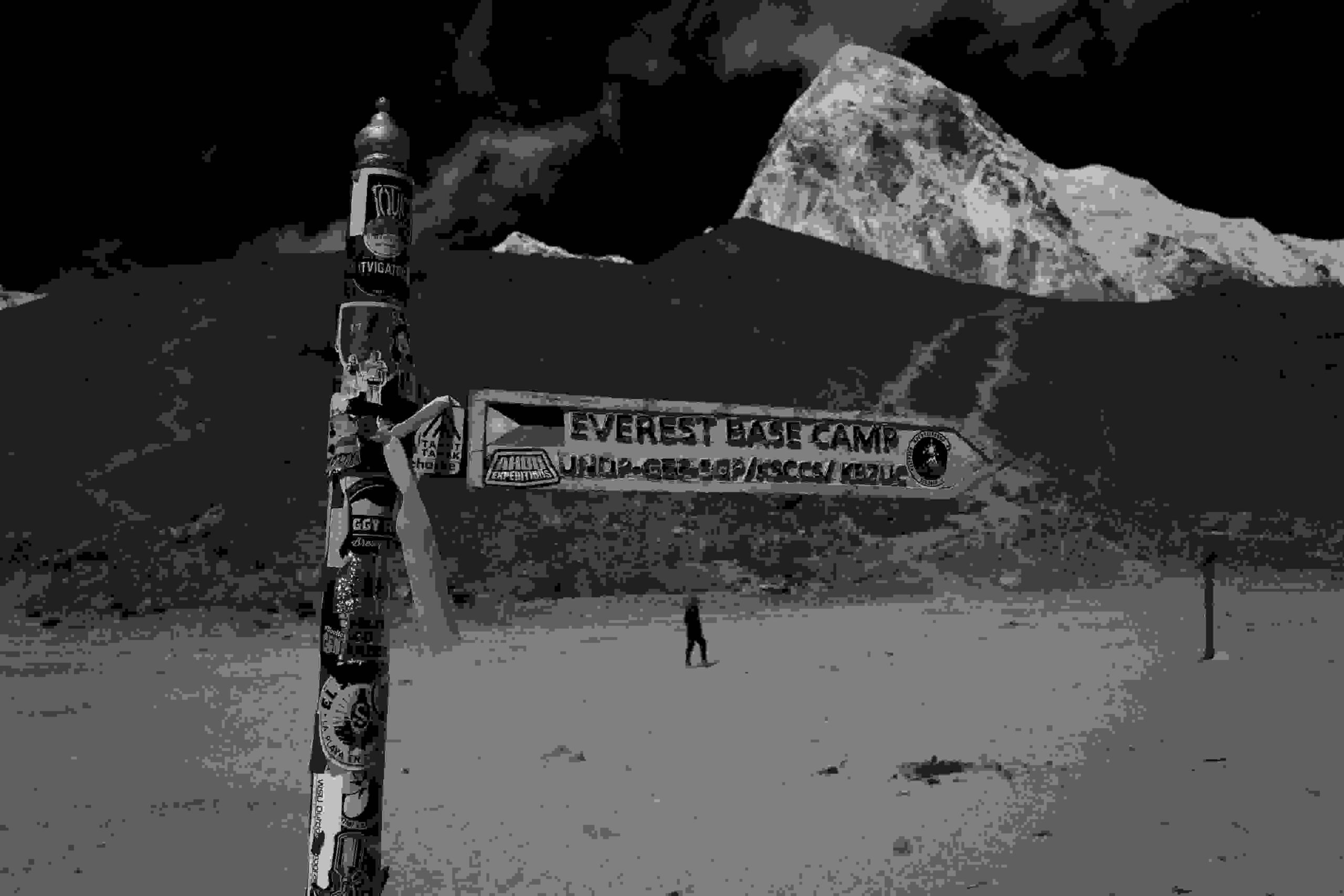
The Everest Base Camp Trek is one of the most famous adventures in Nepal. Every year, thousands of trekkers visit the Khumbu region to see stunning mountains, enjoy Sherpa culture, and stand at the foot of Mount Everest, the world’s highest peak at 8,848.86 meters. If you dream of walking through amazing landscapes, crossing high bridges, and reaching Everest Base Camp (5,364m), this guide will help you plan the perfect trip.
This blog explains what the trek is, why people love it, the best time to go, how much it costs, and a full day-by-day itinerary. Whether you want the classic Nepal Everest Base Camp Trek, a 10-day short trek, or a luxury Everest Base Camp trek, you’ll find everything you need here.
The Everest Base Camp Trek, often called the EBC Trek, is a high-altitude hike in the Khumbu region of Nepal. The journey usually starts with an exciting flight from Kathmandu to Lukla Airport (2,800m)—one of the most famous mountain airstrips in the world.
From Lukla, you hike for 12 to 18 days through small villages, green forests, rocky trails, and glacier valleys until you reach Base Camp. Along the way, you’ll see many famous peaks, including:
Mount Everest
Lhotse
Nuptse
Ama Dablam
Thamserku
The trek is not technical—you don’t need climbing skills—but you must be fit and healthy because the trails reach above 5,000 meters. The altitude makes the journey slow and steady.
Trekkers love the EBC trek because it mixes:
Breathtaking mountain views
Friendly Sherpa culture
Beautiful monasteries
Wildlife and forests
Adventure and personal achievement
Whether you choose a basic teahouse trek or a luxury Everest Base Camp Trek with premium lodges, the experience is unforgettable.
There are many reasons why the Mt Everest Base Camp Trek is so popular:
You will see some of the world’s most impressive mountains, glaciers, valleys, and landscapes. The sunrise from Kala Patthar (5,545m) is one of the best views of Everest.
The Sherpa people are warm, welcoming, and deeply connected to Buddhism. You’ll stay in teahouses, eat meals like dal bhat, and walk past prayer wheels, flags, and monasteries like Tengboche Monastery.
Although it is challenging, the EBC trail is well-marked, safe, and filled with other trekkers. It’s a great first Himalayan trek for people who want to test themselves.
You can choose different versions of the trek:
Classic Everest Base Camp Trek (14 days)
Everest Base Camp short trek (10 days)
Luxury Everest Base Camp trek
Three Passes Trek for experienced trekkers
Whatever your time, budget, or fitness level, there’s an option that fits your needs.
Here is the classic 14-day EBC itinerary starting from Lukla. This is the most recommended route because it gives your body enough time to adjust to altitude.
Short and easy walk through small villages. Great first day to warm up.
Cross suspension bridges and climb slowly to reach Namche, the biggest town in the region.
Hike to Everest View Hotel or nearby viewpoints. Helps your body adapt.
Walk through pine forests, visit Tengboche Monastery, and enjoy views of Ama Dablam. The altitude rises gradually.
Reach the famous Base Camp filled with colorful tents (during climbing season). Overnight at Gorakshep.
Early morning hike to Kala Patthar (best Everest viewpoint), then descend.
Downhill walking is easier but still long. Enjoy the scenery one more time.
End of the journey.
Short on time?
Choose the Everest Base Camp short trek (10 days), which skips one acclimatization day and moves faster.
The best seasons for trekking are:
Warm temperatures
Clear skies
Rhododendron flowers
Great mountain views
Best visibility
Stable weather
Festival season (Dashain, Tihar)
Most popular time for EBC
Winter (Dec–Feb): Cold but quiet trails
Monsoon (Jun–Aug): Rainy and cloudy—least recommended
If you want fewer crowds and good views, try late May or late September.
The cost depends on the service level and group size. Here is an average price range:
$1,200 – $1,800
Includes permits, guide, porter, meals, flights, and accommodation.
$2,500 – $4,500+
Includes luxury lodges, better food, heated rooms, and sometimes helicopter options.
$1,000 – $1,400
Cheaper because it is shorter, but still includes flights and permits.
Bottled water
Snacks
Hot showers
WiFi
Charging electronics
To save money, bring your own snacks and refill water with purification tablets.
You need two permits:
Khumbu Pasang Lhamu Rural Municipality Permit
Sagarmatha National Park Permit
Most trekking companies arrange everything for you.
Focus on:
Long walks
Stair climbing
Running or cycling
Leg and core strength
Must-have items:
Warm jacket
Layered clothing
Sleeping bag (-10°C to -15°C)
Trekking poles
Gloves, hat, and neck warmer
Comfortable boots
Headlamp
Sunscreen & lip balm
Water purification tablets
Altitude sickness is real. To stay safe:
Walk slowly
Drink lots of water
Take acclimatization days
Avoid alcohol
Use Diamox if recommended
The EBC trek is safe, but you must stay alert:
Altitude sickness
Sudden weather changes
Slippery trails
Cold temperatures
Hire a professional guide
Have travel insurance with helicopter rescue
Follow your guide’s pace
Rest when tired
Keep your body warm and dry
With proper planning, the trek is safe even for beginners.
Best for trekkers with limited time. Faster pace, fewer rest days.
Includes:
Premium lodges
Better food
Private rooms
Heated beds
Helicopter options for return
Great for those who want comfort at high altitude.
A challenging route crossing:
Kongma La
Cho La
Renjo La
Perfect for adventure lovers.
The Everest Base Camp Trek is a life-changing journey filled with mountain beauty, culture, and adventure. Whether you choose the classic 14-day route, a Nepal Everest Base Camp short trek, or a luxury Everest Base Camp trek, the experience will stay with you forever.
With the right training, gear, and planning, anyone with a love for the outdoors can reach Everest Base Camp. Start preparing your Mt Everest Base Camp Trek today and explore one of the world’s greatest adventures in the heart of Nepal.

© 2025 Crivva - Hosted by Airy Hosting Managed Website Hosting.