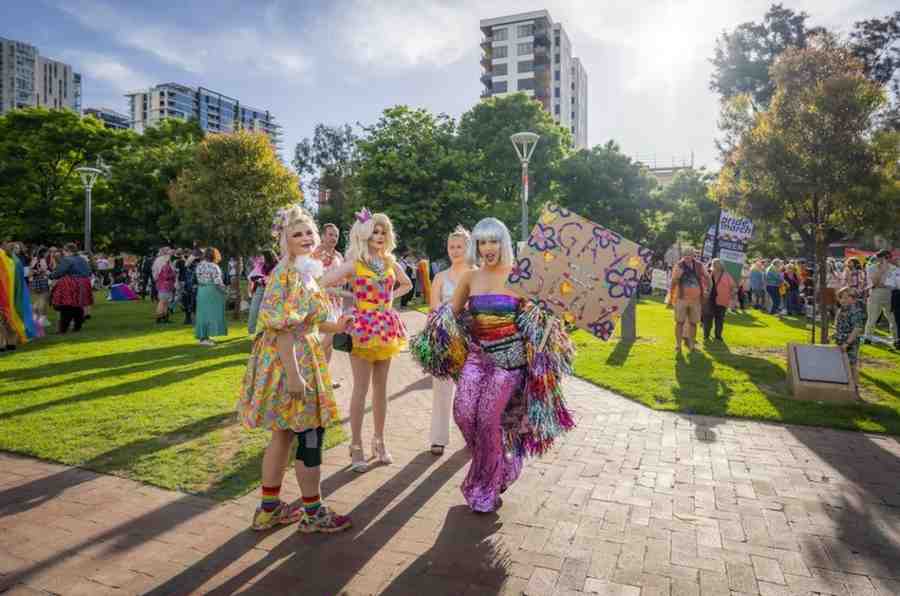
When documentary photographer Ash Edmonds first pointed their lens at Melbourne’s Pride March in 2019, they thought they understood queer storytelling. The images were powerful—fists raised, rainbow flags billowing, faces alight with defiance. Yet something gnawed at them. Were these photographs truly representing the LGBTQIA+ community, or simply reinforcing the same tired narratives that mainstream media had been peddling for decades?
This question sits at the heart of ethical LGBTQIA+ documentary photography. For too long, queer lives have been reduced to single moments of resistance, activism, or tragedy. The AIDS crisis. Marriage equality rallies. Stonewall riots. These moments matter profoundly, but they’re not the whole story. Ethical storytelling demands we move beyond the protest, beyond the spectacle, and into the nuanced, everyday realities of LGBTQIA+ existence. Much like First Nations storytelling has taught us about the importance of community consent and cultural representation, queer documentary work requires photographers to interrogate their own positions, biases, and responsibilities.
The documentary tradition has historically been extractive. Photographers swoop in, capture compelling images, and leave—often without meaningful engagement with the communities they’ve documented. This approach has caused particular harm to marginalised groups, including LGBTQIA+ individuals who’ve watched their lives sensationalised, traumatised, or flattened into digestible soundbites. The path forward requires something different: a photography practice grounded in relationship, consent, and genuine collaboration.
Before you touch your camera, interrogate your own relationship to the stories you’re telling. Are you part of the LGBTQIA+ community, or are you documenting from outside? Neither position is inherently wrong, but both carry different responsibilities and challenges.
Queer photographers bring lived experience and insider perspective, yet they’re not immune from ethical pitfalls. Your experience as a cisgender gay man doesn’t automatically grant you understanding of trans women’s lives. Your identity as a white lesbian doesn’t erase the need to deeply listen to queer people of colour. Insider status can create dangerous assumptions of universal understanding.
Photographers working from outside the community face different challenges. The risk of voyeurism looms larger. The potential for reinforcing harmful stereotypes increases. Yet outsider perspectives can sometimes notice patterns that insiders take for granted, and cross-community solidarity has always been essential to LGBTQIA+ progress.
What matters most is honesty about your position and a commitment to ongoing learning. Read queer theory. Follow LGBTQIA+ photographers whose work challenges you. Attend community events not to photograph, but to listen and learn. Build relationships that extend beyond your projects.
Australian photographer Ponch Hawkes revolutionised how we think about photographic consent through their decades-long documentation of women’s lives. Their approach offers valuable lessons: consent isn’t a one-time transaction, but an ongoing conversation.
For LGBTQIA+ subjects, the stakes of visibility can be extraordinarily high. A photograph might out someone to family members who don’t accept them. It could jeopardise their employment in regions without discrimination protections. It might expose them to violence in communities where queer identity remains dangerous.
A model release protects you legally, but ethical consent requires much more. Have you explained exactly where these images will appear? Have you discussed whether subjects will be identifiable? Have you offered them veto power over specific photographs? Have you checked in months later, before publication, to ensure their circumstances haven’t changed?
Consider creating a consent framework that includes:
Flip through mainstream LGBTQIA+ photography and you’ll spot the patterns quickly. The kiss at the protest. The drag queen in dramatic makeup. The trans person staring pensively out a window. The couple’s intertwined hands adorned with rainbow bracelets. These images aren’t inherently problematic, but their endless repetition flattens queer experience into digestible tropes.
Research from the University of Technology Sydney’s Journalism Research Centre found that media representations of LGBTQIA+ Australians remain heavily skewed toward activism and conflict, with only 23% of coverage focusing on everyday life. Documentary photographers have both contributed to this imbalance and hold the power to correct it.
Challenge yourself to document the mundane alongside the momentous. Photograph the trans woman fixing her motorcycle. The lesbian couple arguing over whose turn it is to do the washing up. The non-binary teenager studying for their HSC exams. The elderly gay men who’ve been together for forty years, pottering in their garden. These quieter moments reflect the texture of actual lives.
A photograph freezes a single moment, but lives unfold across decades. Ethical documentary work acknowledges this temporal complexity through thoughtful contextualisation.
When Alison Bennett photographed Sydney’s LGBTQIA+ community throughout the 1990s, she understood that images required context to avoid misinterpretation. A photograph of someone injecting medication could represent diabetes management, hormone therapy, or drug use—without context, viewers project their own assumptions, often harmful ones.
Your responsibility extends beyond the image itself to how you frame it through captions, artist statements, and curation. Are you providing enough information for viewers to understand what they’re seeing? Are you avoiding sensationalist language that others or pathologises your subjects? Are you letting subjects contribute their own words and perspectives?
Consider working in series rather than single images. A sustained body of work allows for nuance, contradiction, and complexity that single photographs cannot convey. It demonstrates commitment beyond extractive one-off documentation.
LGBTQIA+ lives contain trauma—from family rejection to systemic discrimination to violence. These realities deserve documentation. But there’s a crucial difference between bearing witness to hardship and exploiting pain for aesthetic or emotional impact.
Trauma porn reduces people to their suffering. It centres cisgender, heterosexual viewers’ emotional responses rather than the lived experiences of LGBTQIA+ individuals. It suggests that queer lives are inherently tragic, denying the joy, resilience, creativity, and ordinary happiness that exist alongside struggle.
Before photographing someone’s pain, ask yourself hard questions. Why does this image need to exist? Who benefits from its creation and circulation? Am I documenting this because it advances understanding and justice, or because suffering makes compelling imagery? Have I devoted equal energy to documenting this person’s joy, agency, and complexity?
The most ethical LGBTQIA+ documentary work involves subjects as collaborators rather than mere subjects. This might mean:
Australian photojournalist Sarah Bird spent three years photographing trans youth, but structured the project as a mentorship programme where young people learned photography alongside being photographed. Several participants went on to document their own communities, shifting the power dynamic entirely.
This collaborative approach requires surrendering some creative control. It’s slower, messier, and more complex than traditional documentary work. It’s also more ethical and often produces richer, more truthful work.
The most impactful LGBTQIA+ documentary photography emerges from sustained engagement. Rineke Dijkstra spent years photographing the same subjects as they aged. Nan Goldin’s work draws power from her deep embeddedness in the communities she documents. These aren’t hit-and-run projects but ongoing relationships built on trust and mutual respect.
Long-term projects allow you to move beyond surface representations. You’re present for the ordinary moments that reveal deeper truths. You earn the trust required for vulnerable documentation. You understand context that would be invisible to an outsider.
Commit to showing up beyond the camera. Attend community events without photographing. Offer your skills in support of community advocacy. Build friendships that exist independently of your projects. This relational approach fundamentally changes the work you create.
Perhaps the most important ethical skill is knowing when not to photograph. Some moments are too private, too sacred, or too vulnerable for documentation. Some stories aren’t yours to tell, regardless of access or permission.
If someone is in crisis, your role might be to offer support rather than capture images. If a subject seems uncomfortable despite having given consent, honour that discomfort. If you’re uncertain whether your presence serves the community or merely your career, err on the side of restraint.
The most ethical documentary photographers develop what might be called visual humility—the recognition that not every moment needs to be photographed, not every story needs to be told by you, and the camera’s absence can sometimes be the most respectful choice.
Ethical LGBTQIA+ documentary photography sits at the intersection of art, journalism, and activism. It requires technical skill, certainly, but also emotional intelligence, cultural competency, and genuine commitment to justice. The field continues evolving as community voices grow stronger and more diverse.
The work ahead involves centring the most marginalised within LGBTQIA+ communities—trans women of colour, disabled queer people, LGBTQIA+ elders, and Indigenous queer individuals whose experiences remain underrepresented. It requires pushing beyond visibility politics to question who benefits from representation and under what terms.
This isn’t a definitive guide but an invitation to ongoing reflection. The ethical questions won’t be resolved through a single article or workshop. They demand continuous interrogation as communities evolve, power structures shift, and our understanding deepens. The photographers who do this work best approach it with humility, recognising that they’re always learning, always accountable, and always in relationship with the communities they document.

© 2025 Crivva - Hosted by Airy Hosting Managed Website Hosting.