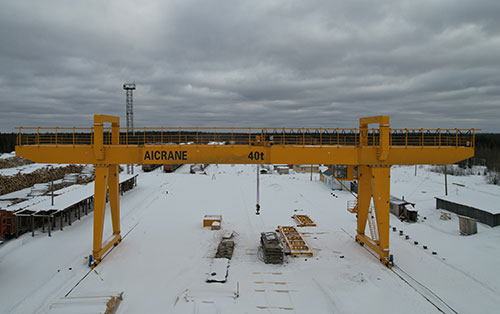
The design of gantry cranes, particularly 40-ton models used in heavy industrial operations, goes far beyond simply meeting lifting capacity and structural requirements. One of the most critical yet often overlooked aspects is the ergonomic design of the operator cabin. An ergonomically designed cabin not only enhances operator comfort but also significantly improves safety, operational efficiency, and productivity. In heavy-duty crane operations, where operators may spend long hours controlling massive loads with precision, cabin ergonomics directly influence both the operator’s performance and the overall operational outcomes.
This article explores the key considerations, design principles, and practical implementations of ergonomic cabin design for 40 ton gantry cranes.
Operating a 40-ton gantry crane requires high levels of concentration, precision, and quick reflexes. Poorly designed cabins can lead to operator fatigue, decreased concentration, and even long-term health problems such as musculoskeletal disorders. The benefits of an ergonomic cabin include:
Enhanced Comfort: Proper seating, adjustable controls, and climate control systems reduce physical strain.
Improved Safety: Reduced operator fatigue and better visibility contribute to fewer accidents.
Increased Efficiency: Ergonomically placed controls, displays, and instruments allow operators to perform tasks faster and more accurately.
Long-Term Health Benefits: Reducing repetitive strain and vibration exposure helps prevent occupational injuries over time.
Given the high-stakes environment of industrial lifting operations, investing in ergonomic cabin design is not just about comfort—it is a strategic operational decision.
Ergonomic design is the process of tailoring the workspace to the operator’s physical and cognitive needs. For a 40-ton gantry crane, several principles should guide the cabin layout:
Operators must have a clear line of sight over the load, the crane span, and surrounding work areas. Design considerations include:
Large, panoramic windows with anti-glare coating.
Elevated seating positions to maximize downward visibility.
Strategically angled windows for minimal blind spots.
Integration of cameras or monitoring screens for areas that are hard to see directly.
Clear visibility reduces the risk of collisions, improves load positioning accuracy, and minimizes the need for operators to strain or constantly move their necks.
Operators can spend 8–12 hours per shift in the cabin. Ergonomic seating is therefore essential:
Seats with adjustable height, depth, and lumbar support to accommodate operators of different sizes.
Shock-absorbing cushions to reduce fatigue caused by vibrations.
Reclining and swiveling options for improved posture and ease of movement.
Armrests and footrests positioned to support natural body posture while operating controls.
The placement and operation of crane controls have a direct impact on efficiency and safety:
Controls should be within easy reach, minimizing unnecessary stretching or twisting.
Joysticks, buttons, and pedals should be designed for natural hand and foot movements.
Grouping controls by function reduces cognitive load and prevents operator errors.
Haptic feedback and tactile differentiation in controls help operators identify functions without looking away from the load.
Operators must maintain focus regardless of external environmental conditions. Ergonomic cabins incorporate:
HVAC systems capable of maintaining a consistent, comfortable temperature.
Insulation against external noise, including the crane’s own mechanical sounds and industrial site activity.
Vibration dampening to reduce fatigue and discomfort from continuous crane motion.
Filtration systems to ensure clean air inside the cabin, particularly in dusty or outdoor environments.
Modern gantry cranes often include digital displays and monitoring systems:
Multi-functional touchscreens or displays should be positioned at eye level.
Critical alerts must be visually and audibly distinguishable.
Interfaces should allow easy adjustment of crane parameters without complex navigation.
Ergonomic design ensures operators can interact with the HMI without overreaching or straining.
A 40-ton gantry crane is a heavy-duty machine often used in ports, steel plants, and construction sites. Its cabin design must reflect the operational demands of such environments. Specific design features include:
Heavy-duty cranes often generate vibrations from hoist motors, trolley movement, and external environmental factors like wind.
Cabin suspension systems, cushioned flooring, and shock-absorbing seat mounts mitigate these vibrations.
Reduced vibration improves operator comfort, reduces fatigue, and enhances precision when positioning heavy loads.
Easy access to the cabin is vital, especially when operators need to enter or exit frequently.
Sturdy, non-slip steps and handrails support safe entry.
Consideration for emergency egress ensures operators can quickly leave the cabin in case of accidents.
Proper cabin lighting reduces eye strain, especially during night operations or in poorly lit facilities.
Anti-glare coatings on windows and instrument panels prevent reflections and visual fatigue.
Adjustable internal lighting allows operators to customize the environment for comfort.
Operators often need space for documentation, tools, and personal items.
Integrated storage compartments, cup holders, and document trays reduce clutter and enhance focus.
Organized workspaces minimize distractions and facilitate efficient crane operation.
Modern 40-ton gantry crane cabins are increasingly equipped with technologies that enhance ergonomics and operational efficiency:
Touchscreen HMIs with customizable layouts allow operators to prioritize the information they need most.
Remote operation systems reduce the need for constant presence in the cabin, allowing operators to control cranes from safer, more comfortable positions.
Automated load positioning aids reduce repetitive strain and allow operators to maintain optimal posture.
Adjustable window tinting and air quality monitoring systems further improve the cabin environment.
These technological integrations, combined with foundational ergonomic principles, create a workspace that supports operator health and maximizes operational productivity.
Ergonomically designed cabins directly correlate with operational safety and efficiency. Studies in industrial gantry crane operations demonstrate that fatigue and discomfort significantly increase error rates. By prioritizing ergonomics:
Operators maintain higher alertness levels over long shifts.
The likelihood of collisions or load misplacement decreases.
Precision in load handling improves, reducing wear and tear on crane components.
Long-term occupational health issues are minimized, reducing absenteeism and improving workforce stability.
In essence, ergonomic cabin design is an investment in both human capital and operational performance.
No two 40-ton gantry crane applications are exactly alike. Ergonomic cabin designs should reflect the specific operational environment:
Port Operations: Large panoramic windows and anti-glare measures for outdoor sunlight exposure.
Steel Plants: Heat-resistant materials and dust filtration systems.
Construction Sites: Shock-absorbing seats and vibration dampening for uneven terrain operations.
Customizable cabins ensure that operator comfort and efficiency are optimized for the precise operational context.
The design of ergonomic cabins for 40-ton gantry cranes is a critical factor in ensuring safe, efficient, and productive crane operations. By integrating optimal visibility, adjustable seating, intuitive controls, climate control, vibration reduction, and advanced HMI technologies, crane manufacturers can create operator environments that reduce fatigue, enhance precision, and promote long-term health.
Investing in ergonomically designed cabins is not merely a luxury; it is an essential component of modern heavy-duty crane operations. As industrial demands increase and precision becomes more critical, ergonomic considerations will continue to play a pivotal role in the design and operational success of 40-ton gantry cranes. In the end, a comfortable operator is a safer, more efficient, and more productive operator—a factor that directly translates into improved operational outcomes and lower overall costs for businesses.

© 2025 Crivva - Hosted by Airy Hosting Managed Website Hosting.