

Emergency Oral Surgeon: When You Finally Realize It’s Not Going Away
It usually doesn’t start as something serious.
More like… you’re drinking something cold and pause for a second. Not even pain exactly, just that quick sharp feeling. You ignore it. Most people do.
Then a few days later, it happens again. Maybe while chewing. So you switch sides. No big deal, right?
That’s how it goes for a while.
Until one day it isn’t small anymore.
It’s late, you’re trying to sleep, and suddenly that same tooth won’t let you. It’s throbbing now. Feels deeper. Almost like pressure.
That’s usually when people end up looking for an emergency oral surgeon. Not because they planned to… just because it got to a point where they couldn’t push it off anymore.
The Weird Way Dental Problems Sneak Up
A lot of people don’t realize this… most serious dental issues don’t feel serious at the start.
They build quietly.
A cavity doesn’t hurt right away. A crack in a tooth can sit there for months. Even an infection can stay low-key before it flares up.
So you get used to it.
You adjust. You chew differently. You avoid certain foods. Maybe you tell yourself you’ll get it checked “next week.”
And then… it flips.
Suddenly it’s:
That shift? That’s usually when things have moved past basic care.
So What Makes It “Emergency” Level?
Not every toothache needs an oral surgeon.
But when things get deeper — infection, nerve involvement, damage below the surface — that’s where a regular fix isn’t always enough.
An emergency oral surgeon steps in when it’s not just about cleaning or filling anymore.
It might be:
And yeah… sometimes it just comes down to pain that won’t let up no matter what you try.
Why People Wait (Even When It Hurts)
This part is honestly very normal.
People wait. Longer than they should.
Not because they don’t care, but because:
They hope it’ll settle down.
They’re busy.
They don’t love dental visits.
They’re unsure what it’ll turn into.
I’ve seen patients sit with discomfort for weeks… even months.
They’ll say things like, “It only hurts sometimes,” or “I can manage it.”
And they can… until they suddenly can’t.
That’s usually when things have already progressed further than expected.
That Night Pain… It’s Not in Your Head
You’ve probably noticed this if you’re dealing with it right now.
Pain gets worse at night.
You lie down and it just… builds. Hard to ignore. Harder to sleep.
There’s a simple reason for it — more blood flow to the head when you’re lying flat. That pressure hits the sensitive area and makes everything feel more intense.
It’s one of those small signs that tells you something deeper is going on.
Not always an emergency… but definitely not something to brush off either.
Sometimes It’s Still Saveable
Here’s the part people don’t expect.
Even when pain feels intense, the tooth can sometimes still be saved.
That’s where something like a root canal comes in.
I know… that term alone makes people tense up a bit.
But honestly, most patients say the same thing after: “That was way easier than I thought.”
Because the goal isn’t to make things worse — it’s to remove what’s causing the pain in the first place.
Now… if the damage has gone too far, that’s when surgical care becomes the better option.
When It Turns Into Removal
Not every tooth makes it.
That’s just the reality sometimes.
If a tooth is too weak, too infected, or too damaged underneath, keeping it can actually cause more problems.
So it gets removed.
That sounds like a big deal, and yeah, in the moment it can feel that way. But it’s not the end of anything.
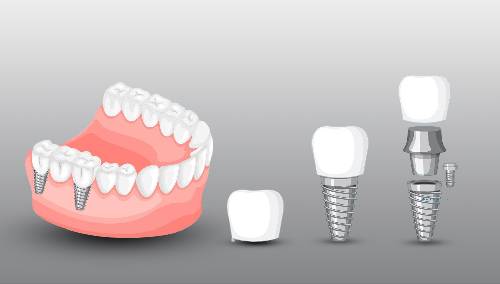
There are ways to rebuild.
You might end up with:
Most people are surprised by how normal things feel again after healing.
Where St Paul Restorative Dentistry Fits In
After emergencies, there’s usually a second phase people don’t think about right away.
Restoring everything.
That’s where St Paul Restorative Dentistry comes into play.
Once the pain is gone and things have settled, the focus shifts a bit. It becomes more about function… and sometimes appearance too.
Can you chew normally again?
Does your bite feel balanced?
Does your smile look the way you want it to?
It’s not rushed. It’s usually handled step by step.
Real Patterns (You Might See Yourself Here)
This happens a lot.
Someone notices a small issue. Ignores it.
Starts avoiding cold drinks. Switches sides while chewing.
Weeks pass.
Then one day, they wake up and something feels different. Stronger. Sharper.
That’s usually when they come in.
Not casually either… more like, “I need this fixed now.”
That’s often when someone like Dr. Tom Vukodinovich DDS gets involved. Not in a complicated way. Just… figuring out what’s going on and getting you out of that situation.
It’s Not Always Just the Tooth
Sometimes people assume the pain is coming from one tooth, but it’s actually something else.
Jaw tension. TMJ issues. Even referred pain from another area.
That’s why guessing doesn’t really help here.
You want someone to actually look at it properly instead of trying to figure it out on your own.
If You’re Dealing With It Right Now
If you’re in that “I’ll wait a little longer” phase… it might be worth reconsidering.
A few signs that shouldn’t be ignored:
You don’t have to panic. But waiting usually doesn’t make it easier.
The Fear Part (Yeah, It’s Real)
Most people won’t say it directly, but fear plays a role.
Not just fear of pain — fear of what they’ll be told.
“What if it’s something serious?”
That thought alone makes people delay.
But in reality, knowing what’s going on tends to reduce stress, not increase it. Even if treatment is needed, at least you’re not guessing anymore.
And Somewhere in All This… Cosmetic Dentistry Shows Up
Funny enough, dental care cosmetic dentistry often becomes part of the conversation after everything settles.
Once the pain is gone, people start thinking, “Can we make this look better too?”
That might mean smoothing things out, placing a crown, or even improving the overall look of the smile.
It’s not about perfection. Just feeling normal again.
One Honest Thought Before You Go
If something feels off, it usually is.
Teeth don’t randomly hurt for no reason.
They give small signals first. Easy to ignore ones.
Then louder ones.
And if you’re already at the point where you’re thinking about an emergency oral surgeon… chances are your body’s been trying to get your attention for a while.
Getting it checked doesn’t mean it’s the worst-case scenario.
It just means you’re finally dealing with it.
And honestly… that’s usually the hardest part.

© 2025 Crivva - Hosted by Airy Hosting Managed Website Hosting.