

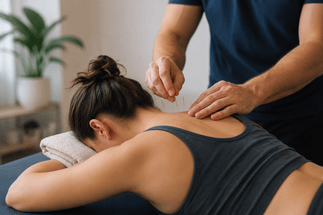
Muscle health is often overlooked until discomfort starts interfering with everyday life. Many people think about muscles only when they experience pain after exercise or develop a noticeable injury. In reality, muscles influence far more than athletic performance. They play a role in posture, balance, mobility, comfort and the ability to perform daily tasks efficiently.
As modern lifestyles become increasingly sedentary, many adults spend long hours sitting, commuting or working in positions that place repetitive demands on the body. Over time, these habits may contribute to muscle tightness, movement restrictions and ongoing discomfort. This has led many people to explore various approaches to maintaining healthy muscles and improving mobility, including learning more about dry needling benefits.
Understanding how muscles function and how they affect overall wellbeing may help individuals make informed decisions about their health and daily routines.
Healthy muscles do much more than help us move from one place to another. They support joints, stabilise the body and assist with virtually every physical activity we perform throughout the day.
Whether you’re carrying groceries, walking the dog, climbing stairs or sitting at a desk, your muscles are constantly working. When muscles become overly tight, fatigued or restricted, even simple movements may start to feel more difficult than they once did.
Muscle dysfunction can appear in various ways, including:
These issues do not always appear suddenly. In many cases, they develop gradually over months or years, making them easy to ignore until they begin affecting daily life.
For readers interested in broader health and lifestyle discussions, Crivva regularly publishes articles covering wellness, personal development and healthy living. Those interested in contributing their own insights can learn more through the article submission platform at https://crivva.com/submit-article/.
The way people live and work today has changed dramatically compared to previous generations. Technology has brought convenience, but it has also introduced new physical challenges.
Many office workers spend eight or more hours each day seated in front of a computer. Remote workers may spend even longer periods in static positions without regular movement breaks.
Sitting for extended periods may contribute to tight hip flexors, weakened gluteal muscles and increased tension throughout the neck and shoulders.
Certain occupations and hobbies require repeated motions that place stress on specific muscle groups. Typing, lifting, driving and manual labor may all contribute to muscular strain when performed repeatedly over time.
Stress is often discussed in emotional or psychological terms, but it also has physical consequences. Many people unconsciously tighten their shoulders, jaw or neck when experiencing stress.
This constant muscle contraction may contribute to discomfort, headaches and reduced mobility if left unaddressed.
One topic frequently discussed in musculoskeletal health is the concept of trigger points.
Trigger points are often described as sensitive areas within muscle tissue that may contribute to local discomfort or influence movement patterns. While experiences vary between individuals, many practitioners assess these areas when evaluating muscle function.
When muscles remain tight for prolonged periods, they may:
For example, limited mobility in one area may cause neighboring muscles to work harder than intended. Over time, this compensation may create additional tension and movement inefficiencies.
Understanding these relationships helps explain why addressing muscle health often involves looking beyond the location of symptoms alone.
Interest in dry needling benefits has grown as more people seek approaches that focus on muscle function and mobility.
Dry needling is commonly used by qualified healthcare practitioners as part of broader musculoskeletal care plans. While approaches vary between practitioners and patients, the technique is generally used alongside other strategies such as exercise, rehabilitation, stretching and lifestyle modifications.
One reason people explore dry needling benefits is the potential to assist with mobility. Improved movement may make everyday activities more comfortable, from reaching overhead to participating in recreational activities.
Physical activity places demands on muscles. Whether someone participates in organized sport, recreational fitness or physically demanding work, recovery plays a major role in maintaining performance and comfort.
Many individuals investigate dry needling benefits as part of their broader recovery strategy, particularly when managing muscle tightness or movement restrictions.
When muscles function efficiently, movement often becomes smoother and more coordinated. Addressing restrictions may help individuals work towards improved movement quality while supporting other rehabilitation or exercise goals.
During my own research on muscle recovery and mobility strategies, I came across a helpful resource discussing experienced care in dry needling benefits. The article provides useful educational information about how dry needling is incorporated into musculoskeletal care and how it may fit within a broader treatment approach.
Interest in dry needling benefits spans a wide range of individuals and lifestyles.
People who spend long hours seated often report tension through the neck, shoulders and lower back. Maintaining mobility becomes increasingly relevant when daily work involves minimal movement.
Recreational athletes, runners, cyclists and gym-goers frequently seek ways to support recovery and movement quality.
Physical occupations place consistent demands on muscles and joints. Managing workload-related tension may become part of maintaining long-term physical health.
Maintaining mobility and functional independence often becomes a priority as people age. Healthy muscle function plays a significant role in preserving movement confidence and quality of life.
Readers interested in sharing health-related experiences, professional expertise or wellness perspectives may also find value in exploring Crivva’s publishing community at https://crivva.com/.
Regardless of the approaches individuals choose, long-term muscle health usually relies on consistent habits.
Even brief movement breaks throughout the day may help reduce stiffness associated with prolonged sitting.
Balanced exercise programs that combine strength training with mobility work may support joint function and muscular resilience.
Sleep, hydration and proper nutrition all contribute to healthy muscle recovery.
Because stress often manifests physically, relaxation techniques, mindfulness practices and regular physical activity may support both mental and physical wellbeing.
For additional perspectives on personal growth, lifestyle improvement and healthy habits, readers can also browse related content throughout the Crivva community at https://crivva.com/category/lifestyle/.
Many people assume muscle problems only exist when pain is present. In reality, stiffness, reduced flexibility or recurring fatigue may appear first.
Being flexible does not necessarily mean muscles are functioning optimally. Strength, control and coordination also contribute to overall movement quality.
Recovery includes sleep, movement, nutrition and stress management. Rest alone may not address every factor influencing muscle health.
Muscle health influences much more than athletic performance or injury recovery. It affects posture, mobility, comfort and the ability to participate fully in daily life.
As awareness grows around movement quality and physical wellbeing, more people are exploring strategies that support healthy muscles and functional movement. Learning about dry needling benefits may be one part of that broader conversation.
Whether someone is managing workplace tension, recovering from physical activity or simply looking to move more comfortably, understanding the relationship between muscle function and wellbeing provides a valuable foundation for making informed health decisions.

© 2025 Crivva - Hosted by Airy Hosting Managed Website Hosting.