


A swimming pool is often seen as the ultimate symbol of luxury, comfort, and relaxation. Whether in a private villa, a gated community, or a commercial property, pools create an immediate sense of lifestyle enhancement. But beyond aesthetics and enjoyment, property owners and real estate developers often ask an important question: Does adding a swimming pool actually increase property value?
The answer is not always straightforward. While swimming pools can significantly boost a property’s appeal and market price in some cases, they may not always deliver the expected return on investment (ROI) in others. Understanding the factors that influence property value is key to making an informed decision.
A swimming pool is considered a premium feature in real estate. In many markets, especially in warm climates, homes with pools are more attractive to buyers and can command higher prices. Pools enhance the overall perception of the property, making it feel more luxurious, functional, and enjoyable.
However, the increase in property value depends on several variables, including location, target market, pool design, and maintenance.
One of the most important factors is climate. In regions with hot weather, such as the Middle East, parts of India, or tropical countries, swimming pools are highly desirable. They provide a practical way to cool off and relax, making them a valuable addition.
In these areas, properties with pools often sell faster and at higher prices compared to similar properties without them. Buyers see a pool not just as a luxury, but as a necessity.
The type of property and its target buyers play a major role. For luxury villas, high-end apartments, and resort-style communities, a swimming pool is often expected. In such cases, not having a pool could actually reduce the property’s value.
On the other hand, for budget homes or small urban apartments, a private pool may not be a priority. In these segments, the cost of adding a pool may not translate into a proportional increase in value.
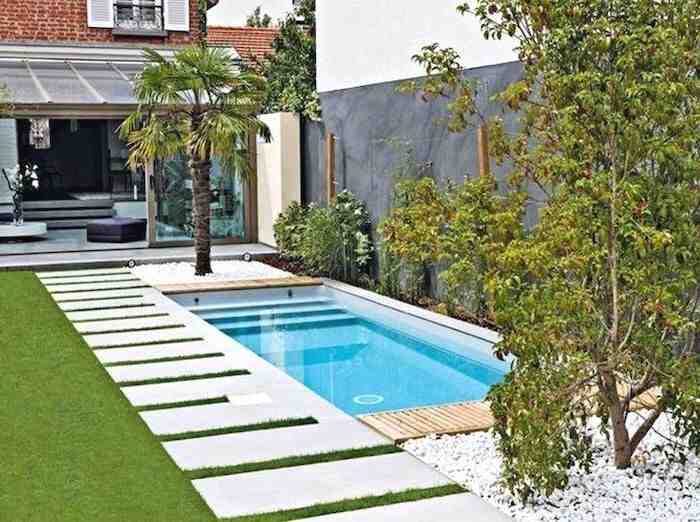
Not all pools are created equal. A well-designed, aesthetically pleasing pool can significantly enhance a property’s appeal. Features such as infinity edges, LED lighting, waterfalls, and integrated landscaping can elevate the entire outdoor space.
A poorly designed or outdated pool, however, can have the opposite effect. Buyers may see it as a liability that requires renovation or removal, which can negatively impact the property’s value.
Modern real estate trends focus heavily on outdoor living. A swimming pool that is seamlessly integrated with patios, gardens, and entertainment areas adds functional value to the property.
For example, a pool with a deck, seating area, and outdoor kitchen creates a complete lifestyle experience. This type of setup is highly appealing to buyers and can justify a higher asking price.
In commercial real estate, such as hotels, resorts, and serviced apartments, swimming pools are often essential. They attract guests, increase occupancy rates, and justify premium pricing.
Similarly, rental properties with pools can generate higher rental income, especially in tourist destinations or upscale neighborhoods. This makes pools a valuable investment for property owners targeting short-term rentals.
While pools offer many benefits, there are situations where they may not significantly increase property value.
Swimming pools require regular maintenance, including cleaning, chemical balancing, and equipment upkeep. For some buyers, this ongoing cost can be a deterrent.
If potential buyers view the pool as a burden rather than a benefit, it may not add value and could even reduce the pool of interested buyers.
Families with young children may have safety concerns about pools. Without proper safety measures such as fencing, covers, and alarms, a pool can be seen as a risk.
Addressing these concerns with modern safety features can help maintain the pool’s positive impact on property value.
In smaller properties, a swimming pool can take up valuable outdoor space that could otherwise be used for gardens or parking. In such cases, buyers may prefer more functional space over a pool.
Real estate markets vary widely. In some regions, buyers may prioritize factors such as location, connectivity, or interior features over outdoor amenities like pools.
Understanding local market trends is essential before investing in pool construction.
The ROI of a swimming pool depends on how well it aligns with the property’s overall value and market expectations. On average, a pool may increase a property’s value by 5% to 15% in favorable conditions.
However, it is important to note that the cost of building a pool can be substantial. In some cases, the increase in property value may not fully cover the construction cost.
This is why pools are often considered a lifestyle investment rather than purely a financial one. They provide enjoyment, enhance living standards, and improve marketability, even if the direct ROI is moderate.
If you are considering adding a swimming pool, the following strategies can help maximize its impact on property value:
Invest in high-quality materials, proper engineering, and professional construction. A durable and well-built pool will retain its value over time and attract buyers.
Opt for contemporary designs that align with current real estate trends. Minimalist shapes, infinity edges, and eco-friendly systems are highly desirable.
Energy-efficient pumps, LED lighting, and automated cleaning systems can reduce operating costs. Buyers are increasingly looking for sustainable features.
A clean and well-maintained pool creates a positive impression. Neglected pools, on the other hand, can significantly reduce property value.
Install safety measures such as fences, covers, and anti-slip surfaces. These features make the pool more appealing to families.
Hiring experienced pool contractors ensures proper design, construction, and maintenance. Professional expertise can make a significant difference in the final outcome.
Beyond financial considerations, swimming pools offer emotional and lifestyle benefits. They provide a space for relaxation, exercise, and social gatherings. For many buyers, these intangible benefits are just as important as the monetary value.
A property with a pool often stands out in listings, attracts more interest, and creates a memorable impression during viewings. This increased demand can lead to quicker sales and better negotiation outcomes.
So, does adding a swimming pool increase property value? The answer is yes—but only under the right conditions.
In warm climates, luxury properties, and markets where outdoor living is highly valued, a swimming pool can significantly enhance both property value and buyer appeal. However, factors such as maintenance costs, design quality, and market preferences must be carefully considered.
Ultimately, a swimming pool is more than just a financial investment. It is a lifestyle upgrade that can transform a property into a personal retreat. When designed and maintained properly, it not only increases value but also creates a lasting impression that resonates with buyers.

© 2025 Crivva - Hosted by Airy Hosting Managed Website Hosting.