


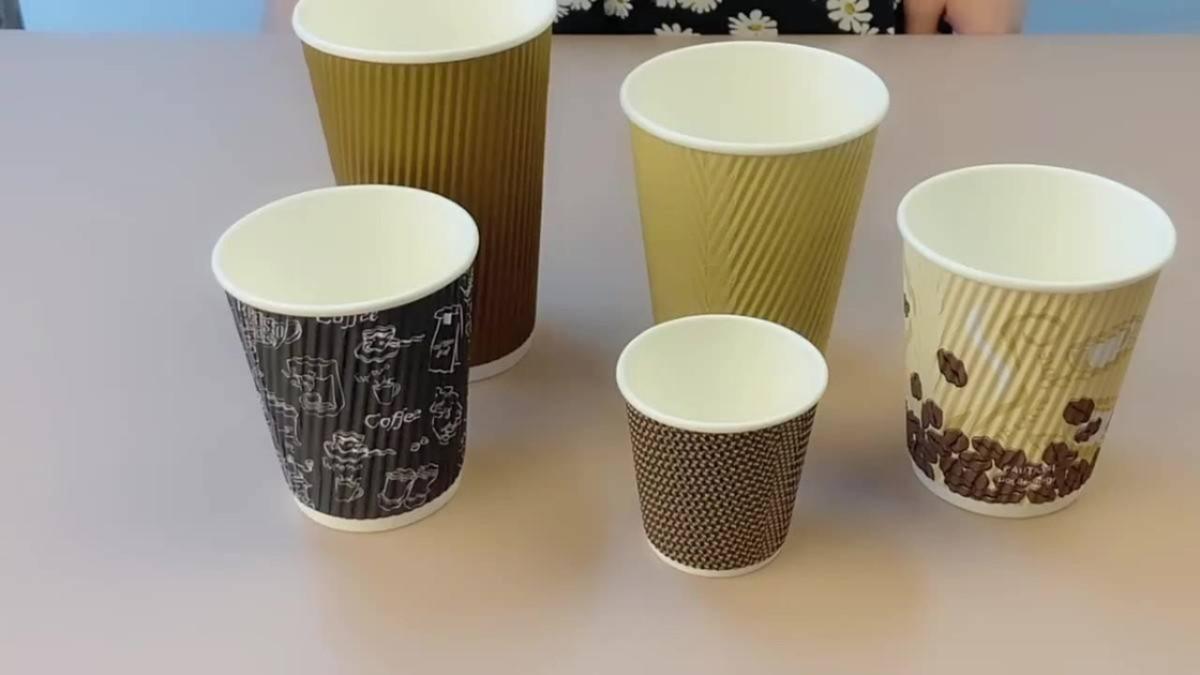
A simple cup can shape a person’s experience. It can welcome, support, and even uplift someone. When we design with care, we show respect to every person who holds that cup.
Most people use a coffee cup without thinking much about it. Yet a cup can affect comfort, safety, and ease. When we look at objects through an inclusive lens, we see how different people interact with them. Some people may have reduced grip strength. Others may be sensitive to heat or texture. Many may simply prefer a design that feels safe and steady in their hands.
Inclusive design starts with awareness. It grows when we understand that not everyone uses objects in the same way. A cup that works for one person may challenge another. For example, a thin cup wall can heat quickly. This makes the cup painful to hold for people with nerve sensitivity. A slippery surface can make someone with shaky hands feel unsure. Even the size of the cup matters. Some prefer smaller cups that feel light. Others feel better with wider cups that have stable bases.
Designing for all does not require complex changes. Simple shifts can make a real difference. Softer textures help with grip. Slightly wider rims help with steady sips. Strong bases prevent tipping. These ideas seem small, but they help many people feel seen. When we choose designs that support different needs, we show care. We also create moments where people feel included without asking for special treatment. This is the power of thoughtful design. It blends comfort with dignity. It keeps the user at the center, no matter who they are or how they hold the cup.
Small design choices can shape how people feel during their daily routine. A cup used every morning becomes part of a personal ritual. If that cup feels safe and comfortable, the experience becomes calm. If it feels awkward or unsafe, the moment becomes stressful. People notice these details even when they do not mention them.
When a business chooses products with more inclusive features, it sends a message. It shows that every customer matters. It also shows that comfort and accessibility stand at the heart of the brand. Many customers value this mindset. They enjoy supporting places that think about everyone.
Design choices can also help people with hidden needs. Some may not want to ask for a special cup. They may fear drawing attention. When stores already offer easy-to-hold, stable cups, they remove this pressure. The experience becomes natural and equal for all customers.
These choices also support children, older adults, and people with temporary challenges. Someone with a hand injury may find comfort in a cup that offers better grip. A tired parent may appreciate a cup that does not spill easily. Inclusive design helps many people at different times in their lives.
The shape and grip of a coffee cup affect how secure it feels. A well-designed cup supports a natural hand position. This reduces strain and offers ease. Many people prefer cups with gentle curves and soft textures. These features help the hand settle without slipping.
A cup with a slightly wider body creates stability. It feels more balanced during movement. This helps people who experience shaking or reduced strength. Lighter cups also increase comfort. They reduce pressure on the wrist. People often do not notice this benefit until they feel the difference.
The grip texture also matters. Smooth cups can slide, especially when wet. A textured surface improves control. It boosts confidence during use. When someone carries a warm drink, they want to feel sure that the cup will not slip. This is especially true in busy places like cafés or workplaces.
The cup’s rim plays a role as well. A soft, rounded rim improves the drinking experience. It helps people take steady sips. A thin rim can feel sharp, while a thick one may feel awkward. A balanced rim supports comfort across many users.
The material of a cup shapes its weight, temperature, and feel. Lightweight materials help reduce strain on the hand and wrist. This is useful for people with arthritis, muscle weakness, or fatigue. A cup that feels heavy can discourage use. A balanced, light material helps many people enjoy their drink with comfort.
Temperature control is another factor. Some materials heat quickly, which can make a cup unsafe. Others help maintain a steady surface temperature. This protects people with heat sensitivity. It also adds to the comfort of everyday use.
Texture plays a role in grip and control. Materials with natural grip support people who struggle with steadiness. They help prevent slips and spills. People feel more confident when they hold a cup that responds to their hands.
Durability also matters. Strong materials reduce breakage. This protects users from sharp edges or risks of accidents. Durable cups also support sustainability, since they last longer. In cafés, this reduces waste and improves the customer experience.
Material decisions influence comfort, safety, and purpose. When designers select materials that support many needs, they create cups that feel welcoming. They help every user feel included in a simple, thoughtful way.
Visual design affects how people interact with a cup. Clear patterns can help people with visual challenges. Strong contrast makes it easier to see the cup’s edges. This reduces mistakes and makes the experience smoother.
Color can guide comfort as well. Soft tones create calm moments. Bright tones offer energy. Some people feel more relaxed when the design feels gentle. Others enjoy cups that lift their mood with bold style. A mix of options supports more people.
Labels and symbols can also help users. Simple icons can signal whether the drink is hot or cold. They can show which side to hold. These details may seem small, yet they help people feel steady. They also remove guesswork.
Visual balance matters too. A crowded design can confuse the eye. A clean design feels clearer and easier to navigate. People appreciate clarity, especially during a quick morning rush.
Businesses can use visual design to express inclusivity. They can highlight diverse illustrations or supportive messages. These choices help people feel welcome. They also reflect the values of the brand. A cup can become a small piece of communication that carries meaning.
Businesses can shape inclusive experiences through thoughtful cup choices. A well-designed cup helps customers enjoy their drinks with comfort. This creates trust. Customers then feel more connected to the brand.
Here are two simple ways businesses can improve inclusivity through cup choices:
These steps help customers feel valued. They also show that the business cares about comfort for everyone. This mindset supports people with visible and hidden needs. It also helps parents, older adults, and people with temporary injuries.
Staff training can support inclusivity too. When teams understand the purpose behind design choices, they can better help customers. They can offer guidance when needed. They can also share why certain cups were chosen. This builds understanding.
Cafés can also involve their community. They can ask for feedback. They can learn what types of designs customers prefer. This helps them choose better products in the future.
Sustainability and inclusivity support each other. When a business uses eco-friendly cups, it protects the environment. This benefits everyone. It also matches the values of many customers who want greener choices.
Eco-friendly materials can also support comfort. Some of them stay cool to the touch. Others remain light and easy to hold. These features help people with different needs. A sustainable cup can still offer grip, stability, and safety.
Using greener products also reduces waste. It helps communities breathe cleaner air and enjoy healthier surroundings. This supports people with allergies, asthma, or sensitivities. A cup choice can help create a safer public space.
Businesses that value sustainability earn trust. Customers admire brands that think beyond profit. They support places that care for the planet and the community.
A cup may seem like a small thing, yet it can support comfort, dignity, and welcome. A well-designed cup respects the needs of many. It offers ease, steadiness, and beauty. It helps people move through their day with confidence.
When businesses choose products like custom paper coffee cups, they make room for more people to feel included. They turn a simple object into a thoughtful gesture. They show that every person matters.
Inclusivity does not always begin with large changes. Often, it starts with small, thoughtful choices that shape daily moments. A simple cup can support comfort, safety, and dignity for many different people. When we choose designs that welcome all hands and all abilities, we help create warm and respectful experiences.
Inclusive design continues to grow as more people seek products that support real-life needs. When we think about how a cup feels, looks, and functions, we build a better experience for everyone. A small gesture can have a lasting impact. And a simple cup can help create moments that feel welcoming, safe, and meaningful.
Place Your Order Now: https://ibexpackaging.com/paper-coffee-cups/

© 2025 Crivva - Hosted by Airy Hosting Managed Website Hosting.








