


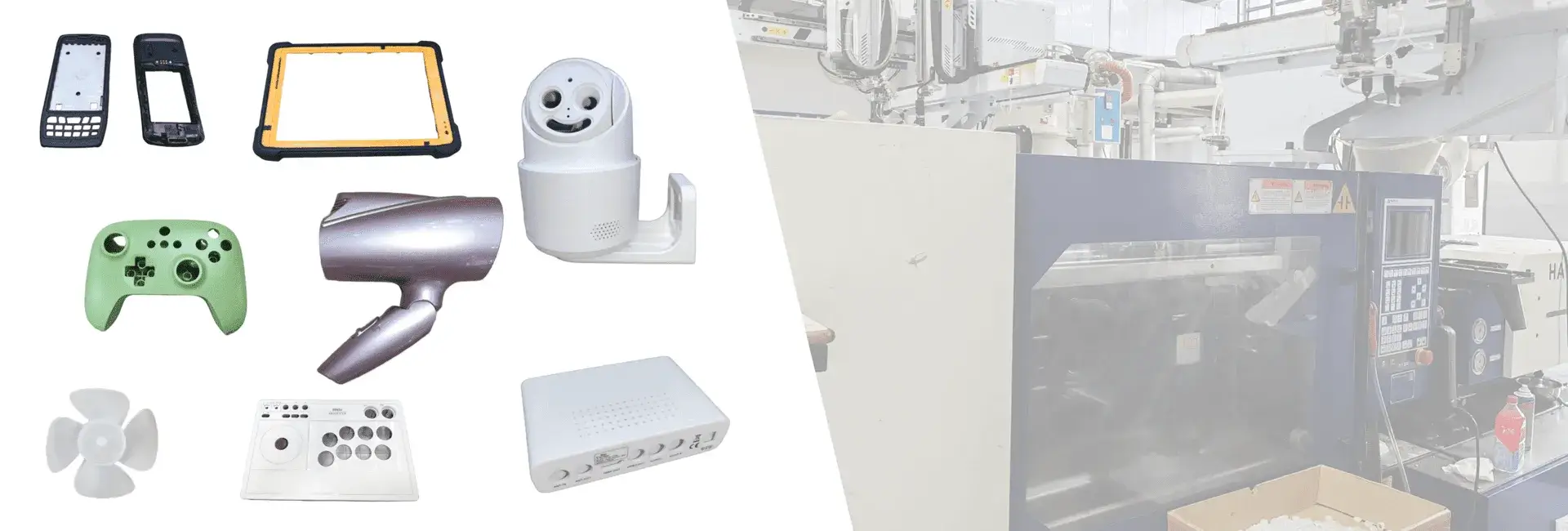
In today’s fast-evolving marketplace, every product—whether electronic, medical, industrial, or consumer-focused—requires protection, durability, and a professional finish. Custom molded plastic enclosures provide all of this, offering tailored solutions that safeguard components while enhancing performance and design.
From circuit boards to sensors and mechanical assemblies, these enclosures combine functionality, aesthetics, and longevity, making them essential for a wide range of industries. This article explores the benefits, manufacturing methods, and applications of custom plastic enclosures.
A custom plastic enclosure is a protective casing designed specifically to fit your components, meet operational requirements, and complement product design. Unlike standard, off-the-shelf housings, custom enclosures are tailored in terms of size, shape, material, color, and features, ensuring an exact fit and optimal performance.
They are widely used across sectors, including:
Electronics: housings for controllers, displays, and sensors
Medical: protective casings for diagnostic or handheld devices
Automotive: covers for modules, sensors, and control panels
Industrial: equipment panels, junction boxes, and protective housings
Consumer goods: gadgets, tools, and appliances
Custom enclosures offer significant advantages over standard alternatives:
Every enclosure is designed to precisely fit internal components. This ensures secure assembly, prevents damage during operation, and allows for better space utilization.
Custom enclosures can incorporate logos, specific color schemes, and unique textures, helping products stand out while aligning with brand design.
High-quality engineering plastics like ABS, polycarbonate, and nylon provide impact resistance, heat stability, and protection against dust, moisture, and chemical exposure.
Plastic enclosures are lighter than metal alternatives, reducing shipping costs and making devices easier to handle—all without compromising strength.
Manufacturers can integrate advanced features such as snap-fit assemblies, mounting bosses, transparent sections, and ventilation channels, improving both functionality and aesthetics.
Once the mold or tooling is prepared, production can scale from a small batch of prototypes to large-volume manufacturing, ensuring consistent quality across all units.
The choice of manufacturing method depends on project requirements, production volume, and part complexity.
The most common method for high-precision and medium- to large-volume production. Molten plastic is injected into a pre-designed mold, producing consistent, durable parts with excellent surface finish.
Ideal for prototypes or low-volume production, CNC machining creates enclosures by removing material from solid plastic blocks. This method ensures high dimensional accuracy and rapid turnaround.
A cost-effective technique for larger or simpler enclosures. Heated plastic sheets are formed over molds using vacuum pressure, producing lightweight and functional parts.
Used primarily for rapid prototyping or very low-volume runs. 3D printing allows for quick design iteration without expensive tooling.
Choosing the right plastic material is critical to meet performance, environmental, and regulatory requirements. Common options include:
ABS (Acrylonitrile Butadiene Styrene): Strong, impact-resistant, and suitable for consumer products and electronics.
Polycarbonate (PC): Transparent and highly durable; perfect for housings requiring clarity or toughness.
Nylon (PA): Offers excellent wear and fatigue resistance, ideal for industrial applications.
Polypropylene (PP): Flexible, chemical-resistant, and lightweight; widely used in medical and packaging applications.
PVC (Polyvinyl Chloride): Durable and weather-resistant, suitable for outdoor equipment or enclosures.
Additives can enhance UV stability, flame retardancy, and anti-static properties to suit specific applications.

Custom plastic enclosures are versatile and applicable in nearly every industry:
Protect circuit boards, sensors, and controllers, while providing access for ports, connectors, and ventilation.
Meet hygiene standards and withstand sterilization, while offering ergonomic and functional designs for devices like diagnostic tools or handheld instruments.
Shield control panels, junction boxes, and machinery components from dust, moisture, and mechanical damage.
Enclosures for modules, sensors, and electronics protect parts from heat, vibration, and chemical exposure while contributing to vehicle efficiency.
Housings for gadgets, tools, and appliances improve usability, aesthetics, and durability, providing a professional product finish.
A successful enclosure balances protection, usability, and aesthetics. Key design elements include:
Mounting and Assembly: Snap-fit designs, screw bosses, or clips for easy assembly.
Ventilation: Heat dissipation channels for electronic devices.
Ingress Protection: Dust and water resistance through gaskets or sealed designs (IP-rated).
Branding: Logos, colors, or textures integrated into the design.
Ergonomics: Smooth edges and comfortable handling for handheld devices.
Design verification using CAD simulations and mold flow analysis ensures manufacturability and optimal performance.
Compared to off-the-shelf housings, custom plastic enclosures offer:
Perfect fit for specific components
Integration of functional features like mounting bosses, ports, and ventilation
Better heat management and environmental protection
Unique, brand-aligned designs
Long-term scalability for future product updates
These benefits ensure both functional reliability and a competitive edge in the market.
Manufacturers increasingly integrate sustainability in custom plastic enclosure production:
Recycled plastics reduce environmental impact.
Biodegradable materials are used where suitable.
Lightweight designs minimize material use.
Energy-efficient manufacturing reduces carbon footprint.
Sustainable approaches help companies meet regulatory standards and customer expectations for environmentally responsible products.
Custom plastic enclosures are more than just protective shells—they define a product’s durability, functionality, and brand identity. By tailoring size, design, and material, manufacturers ensure that each enclosure perfectly fits its components while offering superior protection.
Whether for electronics, medical devices, industrial equipment, or consumer products, custom plastic enclosures provide a precise, durable, and scalable solution. By choosing the right design, material, and manufacturing partner, businesses can deliver high-quality, professional products that meet both technical and aesthetic demands.
In a competitive marketplace, custom plastic enclosures are essential for combining functionality, reliability, and innovation in one well-engineered solution.

© 2025 Crivva - Hosted by Airy Hosting Managed Website Hosting.