Coloring for Toddlers: Why Crayon Scribbles Are Genius Brain Training

Ethan Holt
Coloring for Toddlers: Why Crayon Scribbles Are Genius Brain Training

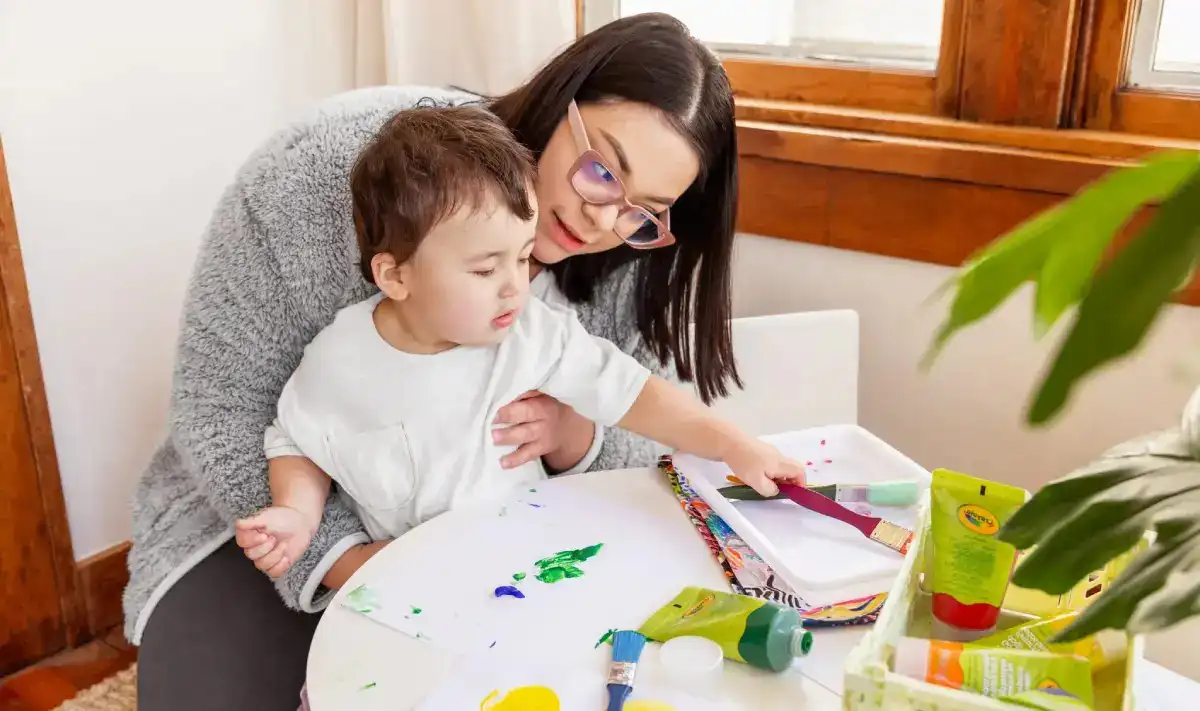
Most parents hand toddlers a crayon to keep them busy for a minute. Child development experts hand it over because they know the first wild scribbles are laying critical neural wiring that will support writing, emotional regulation, and problem-solving years later.

Four Big Skills Growing Under All That Mess

Even when the page looks like pure chaos, a toddler’s brain and body are hard at work:

  1. Fine motor foundation – gripping a chunky crayon strengthens the exact tiny muscles needed later for holding pencils, using scissors, and buttoning coats.
  2. Hand-eye coordination – watching the crayon make a mark and trying to hit the paper again trains the brain-body connection faster than almost any other activity.
  3. Cause-and-effect understanding – “I move my hand → color appears” is one of the earliest and most exciting lessons in controlling the world.
  4. Sensory integration – feeling the crayon’s texture, hearing it scratch, seeing bright marks explode on white paper lights up multiple brain areas at once.

Occupational therapists call these early coloring moments “pre-writing boot camp” because children who scribble regularly at 2-3 years enter preschool with noticeably stronger grips and better control.

Why Toddler-Specific Coloring Pages Matter

Regular detailed pages frustrate little hands. The best toddler coloring pages are designed differently:

  • Extra-thick lines (at least 1 cm wide)
  • Huge open spaces with minimal detail
  • Simple, familiar objects: sun, apple, fish, car, heart
  • Bold black outlines on bright white paper for maximum contrast
  • Often laminated or printed on card stock to survive enthusiastic banging

These features turn frustration into flow and keep toddlers coming back for more.

The Emotional Superpower Most Parents Miss

Toddlers have big feelings and almost no words. Scribbling is often their first safe way to release energy. Pediatric psychologists notice that many 2-year-olds instinctively reach for crayons when overwhelmed – the physical act of making big sweeping marks calms the nervous system almost instantly. A 2023 study from the Journal of Early Childhood Research showed that toddlers who colored freely for 10 minutes after a tantrum returned to calm 60 % faster than those offered toys or screens.

Safe, Simple Setup That Works Every Time

  • Use only washable thick crayons or dot markers
  • Tape the page to the table or floor (reduces frustration)
  • Offer just 3-4 colors at first – decision overload kills the fun
  • Sit beside them and color your own page – no teaching, just parallel play
  • Celebrate the process, never the product (“You made the paper so happy with all those colors!”)

From Scribbles to Sentences – The Long Game

Children who have positive early coloring experiences at 18-36 months consistently show:

  • Earlier and neater pencil grasp by age 4
  • Longer attention spans during circle time
  • More confidence trying new art materials in preschool
  • Fewer meltdowns when tasks require sitting still

Those first wild rainbow storms across the page are not accidents. They are your toddler quietly building the physical, emotional, and cognitive foundations they’ll stand on for the next decade. A few oversized coloring pages and washable crayons remain one of the cheapest, most effective developmental tools you’ll ever own.

Leave a Reply
    Table of Contents
    Crivva Logo
    Crivva is a professional social and business networking platform that empowers users to connect, share, and grow. Post blogs, press releases, classifieds, and business listings to boost your online presence. Join Crivva today to network, promote your brand, and build meaningful digital connections across industries.