Cold storage sits at the heart of every food business. Without proper refrigeration your ingredients spoil, your products lose quality and your entire operation grinds to a halt. A cold room isn’t just a nice addition to your facility. It’s essential infrastructure that determines whether your business can operate safely and profitably.
Getting cold room installation right matters more than most people realise. The wrong size wastes energy and money. Poor insulation creates temperature fluctuations that put food safety at risk. Inadequate drainage leads to standing water and hygiene problems. Equipment that’s undersized for your needs struggles constantly while oversized systems cost far more than necessary to run.
This guide covers what you actually need to know about cold room installation. Not technical specifications that only matter to engineers but practical information that helps you make informed decisions about your facility.
A cold room is a refrigerated space designed to maintain consistent low temperatures for storing food products. Unlike a standard refrigerator or freezer that you might have at home, cold rooms are built into the structure of your facility and can handle much larger volumes.
The temperature range depends on what you’re storing. Chilled rooms typically operate between 0°C and 5°C for fresh produce, dairy products and prepared foods. Frozen storage runs at minus 18°C or colder for long-term preservation of meat, seafood and frozen goods.
Some businesses need both. A bakery might have a chilled room for fresh ingredients and a freezer for storing dough. A restaurant needs refrigerated space for daily ingredients and frozen storage for bulk items.
The biggest mistakes in cold room projects happen during planning, not installation. Once construction starts you’re committed to decisions that are expensive or impossible to change later.
Start by calculating your actual storage needs. How much product do you need to store at any given time? Don’t just think about today. Consider where your business will be in three to five years. Building a cold room that’s too small means you’ll be looking at expansion or external storage much sooner than expected.
Location within your facility matters enormously. Your cold room needs to be positioned where it makes sense for your workflow. Products should move efficiently from delivery to storage to preparation without unnecessary travel through your facility. Think about access for staff, proximity to preparation areas and delivery routes.
Consider the structure of your building. Cold rooms are heavy. The floor needs to support the weight of the insulated panels, refrigeration equipment and the products you’ll store. Older buildings sometimes need structural reinforcement before cold room installation can proceed.
Think about utilities before you start. Cold rooms need substantial electrical capacity for refrigeration equipment. They need drainage for defrost water and cleaning. They need adequate ventilation around the refrigeration units. Sorting these requirements out during planning is straightforward. Discovering them halfway through installation causes delays and extra costs.
Cold rooms might look simple from the outside but several components need to work together properly for the system to function.
Insulation panels form the walls, ceiling and sometimes the floor. These aren’t ordinary wall panels. They contain high-density insulation material designed to maintain temperature differences of 20°C or more between inside and outside. The thickness and quality of these panels directly affects how efficiently your cold room operates.
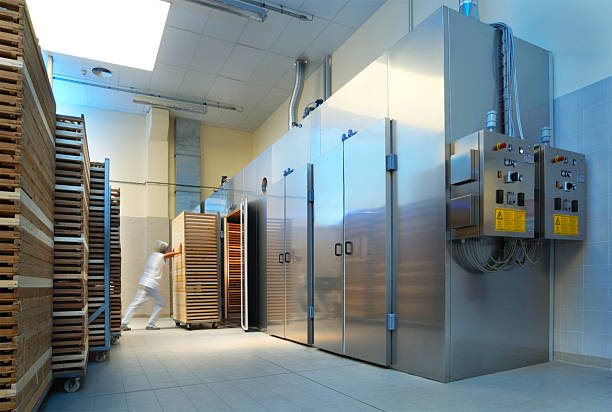
Refrigeration equipment does the actual cooling. This typically sits either on top of the cold room or mounted outside with ducting. The size and type of refrigeration unit depends on the room size, the temperature you need to maintain and how often the door opens.
Doors need special attention. A cold room door isn’t like a standard door. It needs thick insulation, proper seals to prevent air leakage and often a self-closing mechanism. Many cold rooms use strip curtains inside the main door to reduce cold air loss when people enter and exit frequently.
The floor requires proper consideration. Some cold rooms have insulated floors which prevents heat transfer from the ground below. Others sit directly on the existing floor. The right choice depends on the room’s location, the temperature you’re maintaining and the structure beneath.
Temperature controls and alarms monitor conditions inside the room. Basic systems maintain a set temperature. More sophisticated setups include remote monitoring, data logging and alarms that alert you if temperature rises outside acceptable ranges.
Professional cold room installation follows a logical sequence. Understanding this process helps you prepare and know what to expect.
Site preparation comes first. The area needs to be clean, level and structurally sound. Any required electrical work, drainage installation or structural modifications happen at this stage.
Panel installation builds the cold room structure. Insulated panels connect using cam-lock systems or tongue-and-groove joints that create tight seals. Corners and joints need careful attention because gaps in insulation create cold bridges where efficiency drops and condensation forms.
Refrigeration equipment installation follows once the structure is sealed. This involves mounting the condensing unit, running refrigerant lines, installing evaporator coils inside the room and connecting electrical systems.
Door fitting and sealing ensures the room can maintain temperature. The door frame must be perfectly aligned and sealed to the panels. The door itself needs adjustment so it closes properly without gaps.
Different foods need different storage temperatures. Getting this wrong shortens shelf life and creates food safety risks.
Fresh meat and poultry require temperatures between 0°C and 2°C. This range slows bacterial growth while preventing freezing. Any warmer and spoilage accelerates. Any colder and ice crystals damage the meat structure.
Dairy products typically store at 1°C to 4°C. Milk, cheese and yoghurt need consistent cold temperatures but freezing ruins their texture and quality.
Fresh produce varies widely. Leafy vegetables do well at 0°C to 2°C. Some fruits need slightly warmer storage around 4°C to 7°C to prevent cold damage. Root vegetables often store best at 2°C to 4°C.
Frozen products require minus 18°C or colder for long-term storage. At this temperature bacterial growth stops completely and chemical reactions slow dramatically. Anything warmer shortens the effective storage life.
Cold rooms run 24 hours a day, seven days a week. Energy costs add up quickly so efficiency matters.
Insulation quality is the foundation of efficiency. Better insulation means the refrigeration equipment runs less to maintain temperature. The initial cost of high-quality panels pays back through lower electricity bills over the room’s lifetime.
Door management significantly impacts efficiency. Every time the door opens cold air escapes and warm humid air enters. The refrigeration system then works harder to restore temperature. Strip curtains, rapid doors or airlocks reduce this heat gain.
Temperature settings affect running costs. Every degree colder requires more energy. Set your temperature based on actual food safety requirements rather than making it colder than necessary.
Regular maintenance keeps systems running efficiently. Dirty condenser coils, low refrigerant levels and worn door seals all increase energy consumption. Scheduled maintenance catches these issues before they become expensive problems.
Cold storage in food businesses must meet strict regulations. Understanding these requirements ensures your installation complies from the start.
Temperature monitoring is mandatory. You need to demonstrate that your cold room maintains safe temperatures consistently. This typically requires temperature logging equipment that records conditions throughout the day.
Construction materials must be food-safe. Panels, floors and doors need to be made from materials that don’t contaminate food and can withstand regular cleaning with commercial cleaning products.
Hygiene standards apply to cold room design. Smooth surfaces, sealed joints and proper drainage make cleaning possible. Coved floor edges prevent dirt accumulation. Light fixtures need to be sealed and protected.
Access to rooms must support food safety. Staff need to be able to enter and exit safely. Emergency release mechanisms on doors prevent anyone from getting trapped inside.
Temperature alarms provide early warning of equipment failure. When a cold room stops maintaining temperature you need to know immediately so you can move products to backup storage or arrange emergency repairs.
Cold room installation isn’t a DIY project. Professional installation ensures your system works correctly, meets regulations and operates efficiently.
At Oakley Food Projects we’ve installed cold rooms for food businesses ranging from small bakeries to large production facilities. The process always starts with understanding your specific needs rather than offering a standard package.
Look for installers with experience in food industry projects. They understand the regulatory environment, know what works in real-world conditions and can advise on the best solutions for your situation.
Ask for references and examples of similar projects. A company that has installed cold rooms for businesses like yours brings valuable experience to your project.
Cold room installation represents a significant investment in your food business. Taking time to plan properly, understanding your options and working with experienced professionals ensures you get a system that serves your needs reliably for many years.
Focus on the fundamentals. Get the size right. Choose quality insulation. Position the room sensibly within your facility. Work with installers who understand food businesses. These basics matter more than fancy features or cutting-edge technology.
Your cold room should fade into the background of your operations. It should maintain temperature reliably, cost a reasonable amount to run and require minimal attention beyond routine maintenance. When cold storage works properly you barely think about it. That’s exactly what you want.
Visit the link for Cold Room Installation

© 2025 Crivva - Hosted by Airy Hosting Managed Website Hosting.