As security technology continues to evolve, cloud storage has become a popular feature in modern CCTV systems. Instead of relying solely on local storage devices like DVRs or memory cards, users can now store their surveillance footage online for easy access and enhanced security.
But one common question remains: Is cloud storage in CCTV cameras really safe?
Whether you are using indoor-security cameras for your home or advanced systems like the 4mm Hikvision IP 4MP Outdoor Bullet, understanding the safety, benefits, and potential risks of cloud storage is essential before making a decision.
In this detailed guide, we will explore how cloud storage works, its advantages, concerns, and how to use it securely.
Cloud storage allows CCTV cameras to store recorded footage on remote servers instead of local devices. These servers are managed by service providers and can be accessed through mobile apps or web platforms.
Unlike traditional systems that store footage on hard drives, cloud-based systems upload video recordings in real time or at scheduled intervals. This ensures that even if your physical device is damaged or stolen, your data remains safe and accessible.
Cloud-enabled CCTV cameras follow a simple yet powerful process:
The camera records footage continuously or based on motion detection.
Before uploading, the data is encrypted to protect it from unauthorized access.
The footage is securely transmitted to cloud servers via an internet connection.
Users can view, download, or manage recordings through a mobile app or web dashboard.
High-quality devices like the 4mm Hikvision IP 6MP Outdoor Bullet Camera ensure that even cloud-stored footage maintains excellent clarity and detail.
Cloud storage offers several advantages that make it a preferred choice for modern surveillance systems.
You can access your CCTV footage anytime, anywhere using a smartphone or computer. This is especially useful for frequent travelers or business owners.
Since the footage is stored off-site, it remains safe even if the camera or local storage device is damaged, stolen, or tampered with.
Cloud storage automatically saves your recordings, eliminating the need for manual backups.
You can easily upgrade storage plans based on your needs without changing hardware.
Cloud systems often integrate seamlessly with indoor-security cameras, making them ideal for smart homes.
Cloud storage is generally safe, but its security depends on several factors including the service provider, encryption standards, and user practices.
Most reputable cloud services use end-to-end encryption, ensuring that only authorized users can access the footage.
Cloud providers store data in highly secure facilities with advanced protection measures such as firewalls and intrusion detection systems.
Features like two-factor authentication (2FA) add an extra layer of security.
However, no system is completely risk-free. Understanding potential vulnerabilities is crucial.
While cloud storage offers many benefits, it also comes with certain risks.
If a cloud provider is compromised, sensitive footage could be exposed.
Weak passwords or poor security practices can make your account vulnerable.
Cloud storage requires a stable internet connection. Without it, uploads and access may be interrupted.
Most cloud services require monthly or yearly fees, which can add up over time.
Choosing between cloud and local storage depends on your specific needs.
Cloud storage provides convenience, remote access, and better protection against physical damage. On the other hand, local storage offers complete control over your data without ongoing subscription costs.
For maximum security, many users prefer a hybrid approach—using both cloud and local storage together. For example, pairing a system like the 4mm Hikvision IP 4MP Outdoor Bullet with cloud backup ensures both accessibility and redundancy.
To maximize the safety of your cloud-based CCTV system, follow these best practices:
Always create complex passwords that include letters, numbers, and symbols.
This adds an extra layer of protection to your account.
Select reputable brands and service providers with proven security standards.
Keep your camera software up to date to fix vulnerabilities and improve performance.
Use a strong WiFi password and consider setting up a separate network for your CCTV devices.
Regularly check for any suspicious login attempts or unusual activity.
Cloud storage is suitable for a wide range of users:
Ideal for monitoring homes remotely and ensuring footage is محفوظ even if devices are damaged.
Provides easy access to surveillance footage and enhances security without complex setups.
Ensures centralized monitoring and scalable storage options.
Allows remote monitoring of multiple locations without physical access.
The effectiveness of cloud storage also depends on the quality of your CCTV camera. High-resolution cameras capture clearer footage, making it easier to identify details when reviewing recordings.
Devices like the 4mm Hikvision IP 6MP Outdoor Bullet Camera offer enhanced image quality, ensuring that cloud-stored videos remain sharp and useful for security purposes.
Similarly, combining outdoor cameras with indoor-security cameras creates a comprehensive surveillance system that covers both internal and external areas.
Cloud storage technology is continuously improving, with new advancements enhancing both security and usability.
Future systems will use AI to analyze footage and provide smarter alerts.
Stronger encryption methods will further reduce the risk of data breaches.
Processing data locally before uploading to the cloud will improve efficiency and reduce bandwidth usage.
Cloud CCTV systems will become more integrated with smart home devices, offering seamless control and automation.
Smart alerts help homeowners monitor entrances, detect intruders, and keep an eye on family members.
Businesses benefit from advanced alerts such as intrusion detection, employee monitoring, and vehicle tracking.
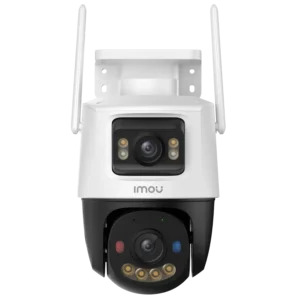
High-performance cameras like the Imou Crusier Dual 10MP Night Vision Wifi CCTV Camera are particularly useful for larger areas, offering superior clarity and intelligent tracking features.
The future of CCTV systems lies in even smarter and more efficient alert systems. Innovations such as facial recognition, behavior analysis, and predictive alerts are already shaping the next generation of security solutions.
With continuous advancements in AI, smart alerts will become more accurate, faster, and capable of identifying complex scenarios. This will further reduce false alarms and improve security response times.

© 2025 Crivva - Hosted by Airy Hosting Managed Website Hosting.