

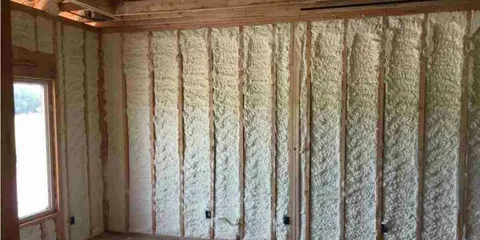
How Does Closed Cell Spray Foam Compare With Open Cell Insulation Systems? The primary difference lies in density and structure. Closed Cell Spray Foam is dense and rigid, offering a higher R-value per inch and acting as a moisture barrier. Open Cell Spray Foam is soft and flexible, providing excellent sound dampening at a lower price point.
Choosing between these two depends on your specific building needs and local climate. While one excels at structural reinforcement and water resistance, the other is often better for interior walls where flexibility and cost-effectiveness matter most. This guide explores the mechanical differences and practical applications of each system based on years of industry field data.

The physical makeup of these materials dictates how they perform inside your walls. Closed Cell Spray Foam consists of tiny cells that are completely sealed. These cells are packed tight and filled with a gas that helps the foam expand and provides superior thermal resistance. Because the cells are closed, the material is extremely strong and does not allow water or air to pass through it easily.
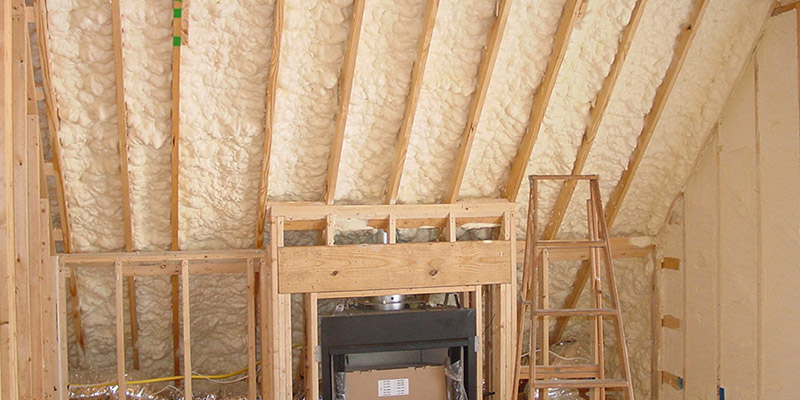
In contrast, Open Cell Spray Foam features cells that are left intentionally open. This creates a softer, sponge-like texture. When the foam expands, it fills large gaps quickly but remains light enough to move with the settling of a building. It is an excellent choice for Air Sealing Services because it expands up to 100 times its liquid size, reaching every small crack in a standard attic or crawl space.
R-value measures how well a material resists heat flow. If you have limited space in your wall cavities, you need a material with a high R-value per inch. Closed Cell Spray Foam typically offers an R-value of 6.5 to 7.0 per inch. This makes it ideal for Commercial Insulation projects where thin walls must meet strict energy codes.
Open Cell Spray Foam generally provides an R-value between 3.5 and 3.8 per inch. While lower, it is often sufficient for Residential Insulation in temperate climates. Because it is less dense, it requires more depth to achieve the same thermal resistance as its closed-cell counterpart. You should consider the depth of your studs before deciding which system fits your home best.
|
Feature |
Closed Cell Spray Foam |
Open Cell Spray Foam |
|---|---|---|
|
R-Value per Inch |
6.5 – 7.0 |
3.5 – 3.8 |
|
Density |
Approx. 2.0 lbs per cubic ft |
Approx. 0.5 lbs per cubic ft |
|
Moisture Barrier |
Yes (at 1.5+ inches) |
No (Vapor Permeable) |
|
Structural Strength |
Adds rigidity to walls |
Negligible |
|
Best For |
Exteriors, Floods, Tight Spaces |
Interior Walls, Soundproofing |
Moisture management is a major factor in long-term building health. Closed Cell Spray Foam is a “Class II” vapor retarder. It stops water vapor from moving through the building envelope, which prevents mold growth in humid regions. This makes it a preferred option for Metal Building Insulation where condensation on steel surfaces is a constant threat.
Open Cell Spray Foam is vapor-permeable. This means that while it stops air, it allows moisture to dry through the material. If a roof leak occurs, the water will soak through the open cells and drip, alerting you to the problem. If you use closed cell on a roof deck, a leak might stay hidden for years behind the rigid foam, potentially causing wood rot.
Bonus Tip: In coastal areas or regions prone to flooding, closed cell foam is often the only approved insulation. It does not lose its shape or effectiveness after contact with water, whereas other materials must be replaced.
Cost is often the deciding factor for many property owners. Open Cell Spray Foam is significantly more affordable because it uses fewer raw materials to fill a space. It is a popular choice for New Construction Insulation because it provides a complete air seal at a fraction of the price of high-density foams.
Closed-cell spray foam requires more chemicals to produce its dense structure. However, it can save money in other areas. For example, in Pole Barn Insulation or Agricultural Insulation projects, the added structural strength can help the building withstand high winds. The increased durability means you won’t have to worry about the foam sagging or tearing over several decades.
Different parts of a home require different treatments. For Crawl Space Encapsulation, professionals almost always recommend closed-cell products. The ground carries high moisture levels that would quickly saturate open-cell foam. A rigid barrier helps keep the area dry and keeps pests out of the floor joists.
For interior media rooms or bedrooms, open-cell is the winner. Its soft structure absorbs sound waves, preventing noise from traveling between rooms. If you are looking for Blown-In Insulation alternatives for an attic, open cell provides the necessary expansion to seal the complex angles of a roofline without the weight of denser materials.
Bonus Tip: Always check your local building codes. Some regions require a separate vapor barrier if you choose open-cell foam on an exterior wall.
In cold northern climates, the thermal bridge created by wooden studs can be a problem. Using Dense Pack Cellulose or spray foam helps, but closed cell is often better at preventing “ice damming” on roofs. It keeps the heat inside the house, ensuring the roof deck stays cold enough to prevent snow from melting and refreezing at the gutters.
In the South, the focus is on keeping the humidity out. The moisture-blocking properties of closed cell foam are useful for preventing the “sweaty wall” syndrome common in hot, muggy summers. However, if you have a well-ventilated attic, open cell foam remains a viable and cost-effective way to keep your cooling bills low.
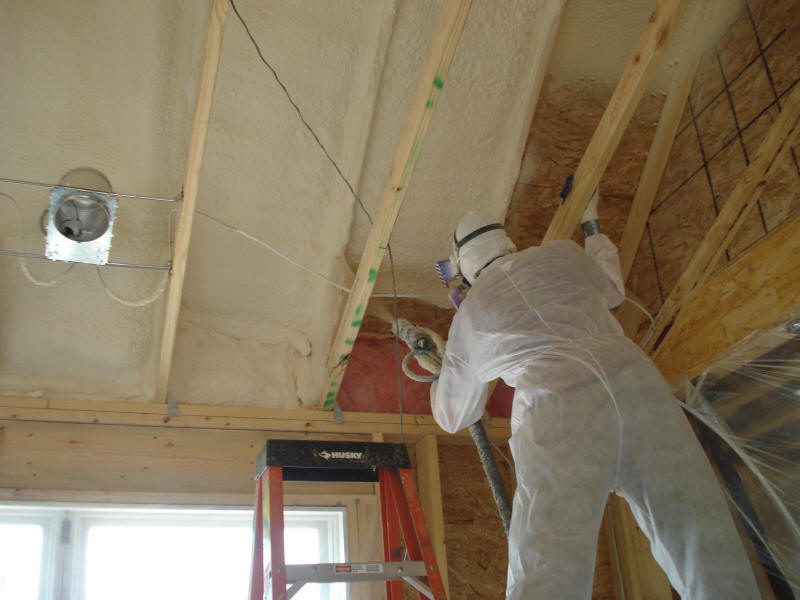
When looking at How Does Closed Cell Spray Foam Compare With Open Cell Insulation Systems, there is no single right answer. You must weigh the benefits of structural strength and moisture resistance against flexibility and cost. Most modern buildings actually benefit from a hybrid approach, using different types of foam in different zones to maximize performance and value.
Choosing the right insulation for your home or business requires a balance of technical knowledge and practical experience. If you are unsure which system fits your specific needs, the team at Selkirk Energy Solutions can help. They offer a full range of services including Closed Cell Spray Foam, Open Cell Spray Foam, and Air Sealing Services to ensure your property stays comfortable year-round. Whether you are working on a new home or upgrading an existing commercial space, their experts provide clear guidance tailored to your project. You can reach out to them at (208) 295-9780 or via email at [email protected] for a free quote and professional assessment. See their location on the map here: https://maps.app.goo.gl/nboGcT5t7bs7NsyKA.
Yes. The soft, porous nature of open cell foam absorbs sound waves more effectively, making it the better choice for interior walls and media rooms.
Yes. It is particularly effective in extreme climates because of its high R-value and ability to act as a vapor barrier in both hot and cold environments.
Open cell foam can hold water because its cells are open. This is actually helpful for identifying roof leaks early before they cause major structural damage.
Unlike fiberglass or Dense Pack Cellulose, spray foam is highly stable. While it may experience a very slight “off-gassing” period initially, its thermal performance remains consistent for decades.
Professional installation is highly recommended. The chemicals must be mixed at specific temperatures and pressures to ensure the foam cures correctly and stays safe for inhabitants.

© 2025 Crivva - Hosted by Airy Hosting Managed Website Hosting.