

The U.S. industrial market requires 100% product reliability. Products need to operate flawlessly under harsh conditions, ranging from aerospace parts in Ohio, to medical devices in California and electric vehicle batteries in Michigan. These technologies need to be tested to see if they can endure extreme conditions on Earth before they become widely available on the market.
There are various climate challenges in North America. A part made in a controlled middle western laboratory may be used in the subzero oil fields of Alaska, or in the humid gulf coast. Failure in the environment can result in expensive product recalls, warranty claims and irreparable damage to the brand.
In response to this threat, tier-1 manufacturers and regulatory testing laboratories in the USA use specialized environmental simulation to reduce these risks. A high quality climate test chamber is a critical component of quality assurance and can be essential to meeting critical local standards, to defining a clear product shelf-life, and to ensuring the material resists the rigors of the product.
Testing a component at basic room temperature provides very little insight into how it will behave under real-world operational stress. Shifting atmospheric variables cause materials to expand and contract, moisture to infiltrate protective seals, and rapid thermal swings to crack electronic circuit boards.
A high-performance climate test chamber provides a sealed, fully programmable space where engineers can artificially replicate a lifetime of environmental exposure in a few days or weeks. By adjusting internal atmospheric parameters, testing teams can push a prototype to its physical limits. This structured stress testing yields invaluable data, allowing research and development (R&D) teams to optimize material selection, refine product geometry, and confidently guarantee product warranties.
One of the primary drivers behind the widespread use of the climate test chamber in the United States is the strict regulatory landscape. American manufacturers must satisfy severe quality guidelines established by organizations such as the Department of Defense (DoD), the Food and Drug Administration (FDA), and the International Electrotechnical Commission (IEC).
For instance, defense and aerospace contractors must routinely test their hardware against MIL-STD-810, a comprehensive military standard that requires equipment to function perfectly under extreme environmental stress.
+————————————————————————–+
| MIL-STD-810 CLIMATE CHAMBER PROTOCOLS |
+————————————————————————–+
| [Low-Temperature Stresses] –> Validates structural ductility & brittleness |
| [High-Temperature Stresses] –> Tests for material outgassing & melting |
| [Damp Heat & Humidity Cycles] –> Checks for mold, rust, & insulation failure|
+————————————————————————–+
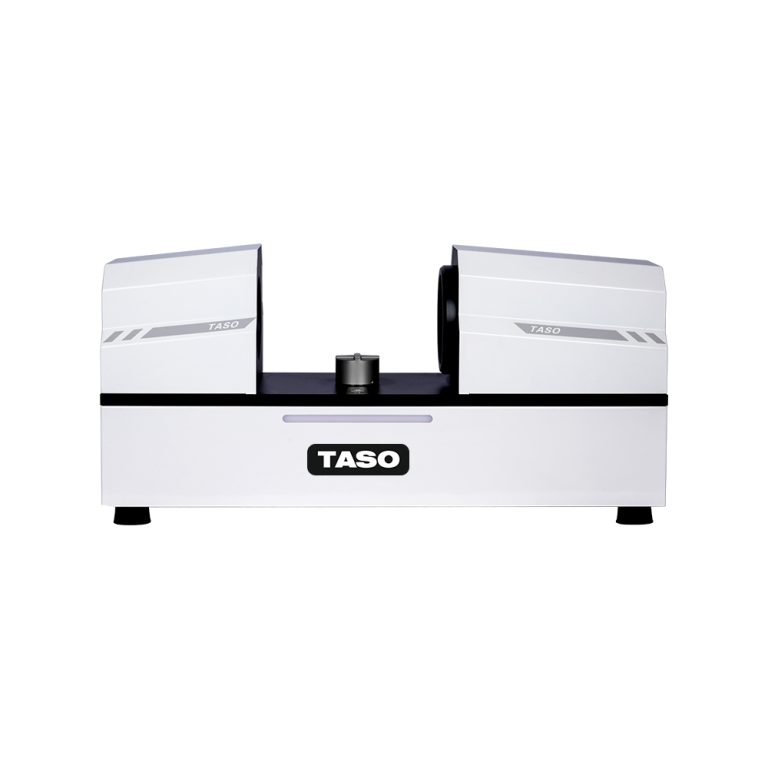
By utilizing a TASO Metrology climate test chamber, quality assurance teams can easily program and run automated multi-day testing cycles that meet these exact parameters. Whether your team needs to simulate a sudden tropical rainstorm or a rapid altitude-induced freeze, a calibrated climate test chamber ensures that your testing profiles are highly repeatable, legally defensible, and fully compliant with domestic auditing frameworks.
The operational flexibility of a modern climate test chamber makes it an indispensable tool across multiple high-tech industrial sectors:
As microchips become smaller and more densely packed, their sensitivity to heat and moisture increases. A climate test chamber allows electronics manufacturers to perform critical tests like Highly Accelerated Stress Screening (HASS). This process quickly reveals hidden manufacturing defects, such as cold solder joints, delaminating circuit board layers, or inadequate moisture barriers before components are integrated into final products.
The surge in electric vehicle manufacturing in the USA has created a pressing need for rigorous battery cell testing. Lithium-ion batteries are highly sensitive to thermal environments. Using a specialized climate test chamber, automotive engineers can analyze how battery packs perform during rapid charging and discharging cycles under extreme heat or freezing winter conditions, ensuring driver safety and optimal mileage ranges.
Medical implants, diagnostic equipment, and pharmaceutical packaging must maintain absolute sterile and structural integrity. The FDA requires extensive stability testing inside a climate test chamber to determine exact product expiration dates. This testing ensures that life-saving devices will not degrade or malfunction when exposed to high-humidity storage environments or sudden climate changes during global shipping transit.
When purchasing capital laboratory equipment, quality managers must look beyond basic dimensions and temperature ranges. The best climate test chamber on the market is defined by its internal stability, architectural durability, and data integrity features.
[Low-End Testing Cabinet] –> Uneven airflow –> Hot/Cold “dead zones” –> Corrupted data
[TASO Climate Chamber] –> Balanced airflow –> Total uniformity –> Flawless data
To deliver the best climate test chamber experience for U.S. labs, TASO Metrology incorporates several critical engineering advantages into every build:
Investing in an environmental testing platform is a long-term commitment. U.S. manufacturing facilities choose TASO Metrology not only for our advanced hardware, but also for our extensive industrial services and branding integrity:
Modern quality assurance demands comprehensive, unalterable data logging. The software powering a TASO climate test chamber features an intuitive touchscreen interface that allows lab technicians to program multi-step testing profiles with ease. With built-in Ethernet and Wi-Fi connectivity, the chamber continuously exports real-time data logs directly to your facility’s centralized Quality Management System (QMS), making compliance reporting quick and effortless.
Equipment downtime can halt an entire product development cycle. TASO Metrology provides U.S. manufacturers with reliable local technical support, custom preventive maintenance programs, and NIST-traceable calibration services. This dedicated service footprint ensures that your lab equipment remains operational, fully compliant, and completely accurate year after year.
As global supply chains place higher demands on product reliability and consumers expect flawless performance, relying on guesswork is no longer an option. A dedicated climate test chamber is a vital asset for any modern manufacturing facility looking to protect its brand, minimize warranty claims, and speed up its time-to-market.
By choosing to partner with an industry leader and investing in the best climate test chamber technology, your company gains access to the precise, empirical data required to validate critical engineering decisions. Let TASO Metrology help you eliminate your testing bottlenecks, satisfy strict regulatory requirements, and deliver the unyielding quality that American manufacturing is known for.

© 2025 Crivva - Hosted by Airy Hosting Managed Website Hosting.