

Training after work has become normal for many adults. A run before sunrise, a gym session after meetings, social sport on weekends, or preparing for an event while raising children and managing deadlines. Staying active is often viewed as a positive habit, yet many recreational athletes discover that maintaining performance becomes harder as life becomes busier.
Persistent tight calves, sore shoulders, lower back stiffness and longer recovery periods are common complaints. The issue is not always poor fitness. In many cases, stress, sleep quality, work demands and inconsistent recovery habits contribute just as much as physical training.
This is where conversations around recovery have shifted. Rather than focusing only on performance, more active adults are paying attention to how everyday routines affect movement, discomfort and long-term participation in sport.
Professional athletes usually have structured recovery schedules. Their training, nutrition, sleep and rehabilitation are planned around performance goals.
Weekend athletes often juggle:
The body does not separate workplace stress from physical stress. A demanding week at work combined with intense exercise may increase fatigue and reduce recovery capacity.
Someone spending eight hours seated at a desk may experience shortened hip flexors, shoulder tightness and postural strain before even beginning a workout. Likewise, physically demanding jobs may create muscular overload before recreational sport begins.
Over time, accumulated stress may contribute to stiffness, reduced mobility and slower recovery between sessions.
Articles discussing wellbeing and sustainable lifestyles frequently highlight similar themes around balancing physical and mental demands, which appear across broader health discussions published on platforms like Crivva lifestyle articles.
Many active adults assume soreness is simply part of training. While occasional muscle fatigue is expected, recurring tightness deserves attention.
Runners often experience ongoing calf discomfort without recognising contributing factors such as:
Office workers who train after hours sometimes experience upper body tightness unrelated to sport itself. Hours spent at computers may affect posture and movement patterns.
Gym sessions, golf, cycling and team sports may place additional load on already fatigued muscles.
Feeling sore for several days after moderate exercise may indicate inadequate recovery rather than poor conditioning.
The challenge is that many people adapt to discomfort and treat it as normal.
Rest matters, but recovery involves more than inactivity.
Consistent recovery habits may include:
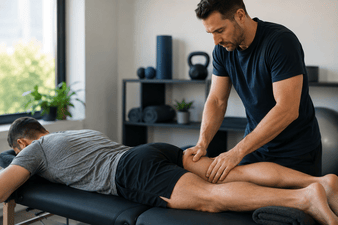
Many recreational athletes increasingly incorporate hands-on therapies into broader recovery routines. Readers exploring approaches to muscle maintenance and ongoing care may come across information about recovery massage for athletes alongside discussions about movement, rehabilitation and performance support.
Recovery strategies differ between individuals. A marathon runner has different demands from someone playing weekend football or attending three gym sessions weekly.
Stress is often discussed emotionally, yet it also influences the body.
Periods of prolonged stress may contribute to:
People under pressure frequently hold tension in the jaw, shoulders and neck. Over time this may alter movement patterns.
Muscles maintained in a constant state of tension may affect flexibility and comfort during exercise.
Sleep disruption may reduce physical recovery and increase fatigue.
Training sessions that once felt manageable may become more exhausting.
Consider two scenarios:
A corporate employee spends ten hours at a desk preparing for quarterly deadlines while training for a half marathon.
A tradesperson works physically demanding shifts before weekend rugby matches.
Both experience stress, but from different sources. Their bodies still carry cumulative load.
Many adults believe improvement comes from pushing harder.
Often, long-term participation depends more on consistency.
Moderate exercise supported by good recovery habits may be easier to maintain than repeated cycles of overtraining and forced rest.
Sustainable habits commonly include:
Sleep remains one of the most effective recovery tools available.
Increasing exercise volume too quickly may raise injury risk.
Mobility differs from stretching. It focuses on controlled movement through available range rather than simply lengthening muscles.
Professional athletes routinely incorporate reduced-load periods. Recreational athletes often skip them.
These themes regularly appear within broader health and fitness discussions shared by contributors across platforms such as Crivva wellness and fitness content.
Occasional soreness after exercise is common.
Recurring issues deserve greater attention, especially when symptoms:
Ignoring early signs sometimes leads to compensation patterns elsewhere in the body.
For example, limited ankle mobility may eventually influence knees or hips. Shoulder restriction may affect lifting mechanics.
Seeking assessment does not always mean stopping activity. Often, it involves identifying contributing factors earlier.
One overlooked reason people prioritize recovery is longevity.
The goal for many adults is not elite performance.
It is being able to:
Recovery habits developed in the thirties and forties may influence movement quality decades later.
This changes the conversation around exercise. Fitness becomes less about short bursts of intensity and more about maintaining activity sustainably.
For adults balancing careers, families and exercise, ideal recovery plans rarely exist.
Practical strategies often work better:
Prepare meals before busy weeks.
Aim for regular sleep schedules where possible.
Reduce pressure to train at maximum effort every session.
Notice patterns in recurring discomfort.
Allow recovery to become part of training rather than something added afterwards.
The people who remain active long term are not always those training hardest. They are often those adapting their habits as responsibilities change.
Weekend athletes place significant demands on their bodies while managing work, family and everyday pressures. Ongoing tightness, fatigue and slower recovery are not always signs of poor fitness. Sometimes they reflect accumulated stress and limited recovery opportunities.
Staying active long term may depend less on pushing harder and more on recognizing when the body needs support, adjustment or rest. Sustainable performance is often built through consistency, awareness and recovery habits that fit real life.

© 2025 Crivva - Hosted by Airy Hosting Managed Website Hosting.