


Jaw pain can be frustrating, especially when it interferes with simple activities such as eating, speaking, yawning, or even smiling. While many people associate jaw discomfort with dental problems, the underlying cause is often related to the temporomandibular joint (TMJ), a complex joint that connects the lower jaw to the skull. Disorders affecting this joint can cause a wide range of symptoms, from mild clicking sounds to chronic pain and difficulty opening the mouth.
One of the most surprising contributors to TMJ disorders is stress. In today’s fast-paced lifestyle, stress has become increasingly common and can affect the body in numerous ways. Many individuals unknowingly clench their teeth, tighten their jaw muscles, or grind their teeth during sleep when experiencing emotional tension. Over time, these habits can place excessive pressure on the jaw joints and surrounding muscles, leading to discomfort and dysfunction.
For individuals searching for TMJ jaw pain treatment near Mumbai, understanding the connection between stress and TMJ disorders is essential for identifying symptoms early and seeking appropriate care. This article explains how stress affects the jaw, the warning signs of TMJ disorders, available treatment options, and how patients can achieve long-term relief through proper management.
The temporomandibular joints are located on both sides of the face, just in front of the ears.
These joints allow the jaw to move smoothly in different directions and are responsible for activities such as:
Talking
Chewing
Swallowing
Smiling
Yawning
Unlike many joints in the body, the TMJ performs thousands of movements every day.
Because of this constant activity, even minor dysfunction can significantly affect daily comfort and quality of life.
TMJ disorder, often referred to as TMD, is a condition affecting the jaw joints, surrounding muscles, and associated structures.
The condition may involve:
Muscle tension
Joint inflammation
Disc displacement
Joint wear and tear
Bite-related problems
Symptoms may develop gradually or appear suddenly, depending on the underlying cause.
Some individuals experience mild discomfort, while others struggle with chronic pain and functional limitations.
Stress alone may not always cause TMJ disorder, but it is considered one of the most common contributing factors.
When people experience stress or anxiety, the body often responds through increased muscle tension.
This tension frequently affects:
The jaw muscles
The neck muscles
The shoulders
Facial muscles
As a result, individuals may unknowingly clench their teeth or tighten their jaw for extended periods.
Over time, this constant strain can overload the temporomandibular joints and lead to pain or dysfunction.
Many stress-related behaviors occur unconsciously.
Some individuals keep their teeth tightly pressed together throughout the day.
Grinding often occurs during sleep and may go unnoticed until symptoms develop.
Persistent muscle contraction places pressure on the jaw joints.
Stress can contribute to muscle tension in the neck and shoulders, affecting jaw mechanics.
These habits can gradually contribute to TMJ-related symptoms.
TMJ disorders can affect people differently.
Common symptoms include:
Pain may occur near the jaw joints, cheeks, or ears.
Jaw movement may produce audible noises.
Some individuals notice limited jaw mobility.
The chewing muscles may feel tender or fatigued.
TMJ-related headaches often resemble tension headaches.
Symptoms may include:
Ear pain
Ringing sensations
A feeling of fullness
These symptoms can occur even when no ear condition exists.
Stress not only contributes to TMJ disorders but may also intensify existing symptoms.
During periods of emotional strain, individuals often experience:
Increased muscle tension
Poor sleep quality
More frequent teeth grinding
Heightened pain sensitivity
This creates a cycle where stress worsens symptoms, and chronic pain increases stress levels.
Breaking this cycle is often an important part of treatment.
Although stress is a significant contributor, several additional factors may affect jaw function.
Chronic teeth grinding places excessive force on the joints.
Trauma can damage joint structures and muscles.
Inflammatory joint conditions may affect the TMJ.
Misaligned teeth can alter jaw movement patterns.
Certain medical conditions may influence joint health.
A comprehensive evaluation helps identify the factors involved in each individual case.
Many people ignore jaw discomfort until symptoms become severe.
However, early intervention often provides several advantages.
These include:
Better symptom control
Improved jaw function
Reduced risk of chronic pain
Prevention of further joint damage
Prompt treatment often allows for more conservative and effective management.
Accurate diagnosis is essential because TMJ symptoms can resemble other conditions.
A specialist may perform:
Reviewing symptoms, habits, and contributing factors.
Evaluating jaw movement, muscle tenderness, and joint sounds.
Assessing how the upper and lower teeth fit together.
In certain cases, imaging helps visualize joint structures.
This information helps create a personalized treatment plan.
Treatment depends on symptom severity and underlying causes.
Most patients benefit from non-surgical therapies.
Reducing stress on the jaw can significantly improve symptoms.
Examples include:
Avoiding hard foods
Limiting gum chewing
Eating softer foods during flare-ups
Addressing emotional stress often reduces jaw muscle tension.
Helpful techniques include:
Meditation
Mindfulness practices
Physical activity
Relaxation exercises
Targeted exercises may improve jaw mobility and muscle function.
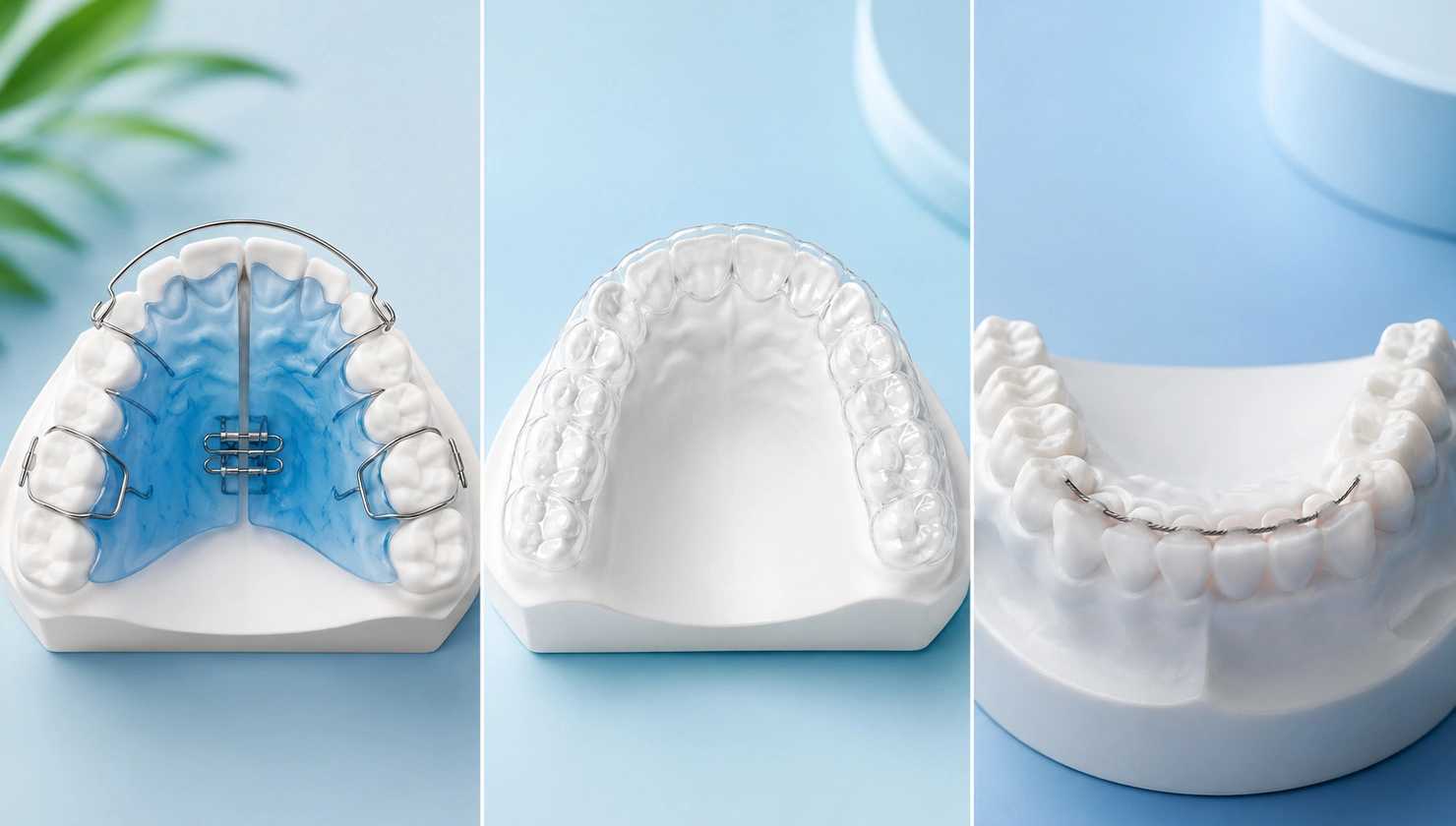
Custom-made splints or night guards help protect the joints from grinding-related damage.
In some cases, medications may be used to manage inflammation or discomfort.
Treatment plans should always be tailored to individual needs.
Many patients delay seeking care because they worry that treatment will be uncomfortable.
Fortunately, modern TMJ management focuses on conservative and minimally invasive techniques.
A painless jaw pain treatment approach may involve:
Designed to reduce joint stress without invasive procedures.
Improve mobility while minimizing discomfort.
Helps patients identify and reduce harmful habits.
Address one of the most common underlying triggers.
Most TMJ patients can achieve meaningful improvement without surgery.
Patients often benefit from adopting healthier jaw habits.
Recommendations include:
Avoid resting with teeth tightly clenched.
Proper neck and head alignment supports jaw function.
Limit gum chewing and hard foods.
Awareness can help reduce unconscious clenching.
Consistency plays an important role in recovery.
These simple changes can support long-term symptom management.
TMJ disorders affect more than physical health.
Persistent jaw discomfort can contribute to:
Frustration
Sleep disturbances
Reduced concentration
Increased stress
Lower quality of life
Addressing both physical symptoms and emotional well-being often improves overall treatment outcomes.
Professional evaluation is recommended if:
Jaw pain persists for several weeks
Clicking sounds are accompanied by pain
Jaw movement becomes restricted
Symptoms interfere with eating or speaking
Self-care measures fail to provide relief
Early assessment often prevents symptoms from becoming more severe.
Patients seeking TMJ jaw pain treatment near Mumbai often benefit from a comprehensive approach that addresses both symptoms and contributing factors.
Effective treatment typically focuses on:
Joint function
Muscle health
Bite assessment
Stress management
Long-term prevention
Comprehensive care helps improve comfort and restore normal jaw function.
Many individuals do not realize that chronic stress can affect jaw health.
Educational initiatives and practices such as Smile Masters and Jaw Joint Matters help raise awareness about TMJ disorders, encouraging patients to seek timely diagnosis and appropriate treatment before symptoms become more severe.
Stress can play a significant role in the development and progression of TMJ disorders. Through habits such as jaw clenching, muscle tension, and teeth grinding, emotional stress can place excessive strain on the temporomandibular joints and surrounding muscles, leading to discomfort and reduced jaw function.
Fortunately, effective treatment options are available. Patients seeking TMJ jaw pain treatment near Mumbai can benefit from early diagnosis, personalized care, stress management strategies, and modern approaches to painless jaw pain treatment that focus on improving comfort without unnecessary intervention.
Recognizing symptoms early and seeking professional care can help prevent long-term complications, restore normal jaw function, and improve overall quality of life.
Yes. Stress often contributes to jaw clenching, muscle tension, and teeth grinding, which can worsen TMJ symptoms.
Jaw pain, clicking sounds, headaches, facial soreness, and restricted jaw movement are common symptoms.
Most modern TMJ treatments are conservative and designed to minimize discomfort while improving function.
Yes. Reducing stress often decreases muscle tension and helps reduce symptom severity.
You should consult a specialist if symptoms persist, worsen, or interfere with daily activities such as eating, speaking, or sleeping.
Source: Medium.com

© 2025 Crivva - Hosted by Airy Hosting Managed Website Hosting.