


Intermittent fasting has become a popular method for weight loss due to its simplicity and effectiveness. Rather than adhering to restrictive diets, intermittent fasting focuses on when you eat rather than what you eat. The success of this approach often hinges on understanding your Basal Metabolic Rate (BMR). Using a basal metabolic weight calculator can help determine your caloric needs, which are critical in optimizing your fasting and feeding windows for weight loss.
In this article, we’ll delve into how to calculate BMR, its role in intermittent fasting, the significance of incorporating tools like a bmi calculator women use, and how these contribute to a sustainable and scientifically-backed strategy for healthier weight management.
Basal Metabolic Rate (BMR) refers to the number of calories your body needs to perform basic life-sustaining functions while at rest. These functions include breathing, circulating blood, regulating body temperature, and maintaining basic cellular processes. In essence, BMR is the minimum energy your body requires to simply stay alive.
BMR is a critical metric to understand when embarking on intermittent fasting or any weight loss journey. Weight loss occurs when you burn more calories than you consume, creating a caloric deficit. Since BMR represents a significant portion of your total caloric expenditure (around 60-70%), knowing your BMR can help you determine how much energy you need daily and optimize your caloric intake to promote weight loss while maintaining good nutrition.
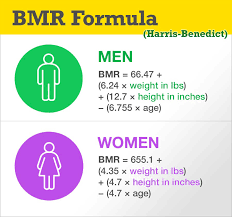
BMR can be estimated using specific formulas based on weight, height, age, and gender. The most widely used equations for calculating BMR are:
The Harris-Benedict Equation:
For women: BMR = 655 + (9.6 × weight in kg) + (1.8 × height in cm) – (4.7 × age)
For men: BMR = 66 + (13.7 × weight in kg) + (5 × height in cm) – (6.8 × age)
The Mifflin-St Jeor Equation (more commonly used today for its accuracy):
For women: BMR = (10 × weight in kg) + (6.25 × height in cm) – (5 × age) − 161
For men: BMR = (10 × weight in kg) + (6.25 × height in cm) – (5 × age) + 5
Using an online basal metabolic weight calculator eliminates the need for manual calculations and provides you with instant, accurate results tailored specifically to your individual metrics.
Combining BMR and Intermittent Fasting for Weight Loss
When practicing intermittent fasting, knowing your BMR helps you make informed decisions about how much you should eat during your feeding windows. Pairing fasting with a caloric deficit driven by your BMR enables the body to tap into stored fat as an energy source.
Determine Total Daily Caloric Needs: Most people need more than just their BMR calories because the body burns additional energy through activities like walking, exercising, and working. To calculate your actual daily caloric needs, you multiply your BMR by an “activity factor”:
Sedentary (little to no exercise): BMR × 1.2
Lightly active (light exercise/sports 1–3 days a week): BMR × 1.375
Moderately active (moderate exercise/sports 3–5 days a week): BMR × 1.55
Very active (hard exercise/sports 6–7 days a week): BMR × 1.725
Extremely active (very intense exercise/physical job): BMR × 1.9
Once you know your daily calorie requirements, you can structure your eating within your intermittent fasting schedule to hit your weight loss goals.
Create a Caloric Deficit: Weight loss requires burning more calories than you consume. For effective and sustainable weight loss, aim for a daily deficit of about 500 to 1,000 calories. This typically results in a loss of 1-2 pounds per week, which is considered safe and achievable. Using a basal metabolic weight calculator helps ensure that your deficit isn’t excessive, avoiding negative consequences like muscle loss or nutritional deficiencies.
Choose the Right Fasting Window: Intermittent fasting schedules vary—some prefer the 16:8 method, while others opt for 5:2 or alternate-day fasting. Whichever you choose, BMR calculation allows you to tailor your caloric consumption during feeding periods to meet your energy needs while maintaining a caloric deficit.
Role of Secondary Tools Like BMI Calculators for Women
While BMR focuses on caloric needs based on basic metabolic processes, secondary tools like a bmi calculator women utilize provide additional insight into whether your weight falls within a healthy range. Body Mass Index (BMI) measures your weight relative to your height, offering a simple way to assess body composition.
BMI is calculated as:
BMI = weight in kg ÷ (height in meters)²
Here’s the standard BMI categorization:
Underweight: less than 18.5
Normal weight: 18.5–24.9
Overweight: 25–29.9
Obese: 30 or higher
If your BMI suggests you’re overweight or obese, combining BMI insights with BMR data enhances your understanding of the caloric adjustments needed for intermittent fasting. Specifically for females, a bmi calculator women check may factor in hormonal variations and body-fat distribution patterns unique to females, providing more precise guidance.
Start by Calculating Your BMR: Use a basal metabolic weight calculator to determine your resting energy expenditure. This will form the foundation of your dietary planning.
Adjust Based on Activity Level: Use the activity factor mentioned earlier to calculate your total daily energy needs.
Set a Caloric Deficit: Aim for a moderate 500–1,000 calorie deficit to promote healthy weight loss. Avoid excessively reducing calories, as it can lead to fatigue, nutrient deficiencies, and muscle loss.
Choose Your Fasting Schedule: Select a fasting method that complements your lifestyle, whether it’s 16:8, 5:2, or another variation.
Track Your Progress: Monitor your weight, activity levels, and energy levels over time. Consider using a bmi calculator women reference to assess progress toward achieving a healthy weight range.
Adjust as Needed: Life changes such as increased physical activity or aging may require recalculating BMR and tweaking your plan.
Incorporating tools like a basal metabolic weight calculator and BMI calculators in your intermittent fasting regimen allows you to:
Base your caloric needs on scientific data rather than guesswork.
Avoid overeating or undereating during feeding windows.
Maintain a balance between fat loss and muscle preservation.
Get a holistic understanding of your weight and health beyond just numbers on a scale.
These calculators remove ambiguity from your weight-loss efforts and empower you with personalized information.
Ignoring Physical Activity: Many people use only their BMR as their caloric needs, forgetting to account for exercise and daily activity.
Skipping Nutritional Quality: Focus on nutrient-dense foods during feeding periods rather than just measuring calories.
Not Adjusting for Progress: As you lose weight, your caloric needs will change. Regularly update your BMR calculations to ensure you’re not underestimating or overestimating your caloric deficit.
Neglecting Individual Differences: Factors such as medical conditions, hormones, and genetic predispositions can impact BMR and weight loss. Consult a healthcare professional if needed.
Calculating your BMR is a pivotal step in maximizing the benefits of intermittent fasting for weight loss. This metric, when combined with tools like a bmi calculator women access, empowers you to make informed choices about calorie intake, activity levels, and fasting schedules. Focus on creating a sustainable caloric deficit and gradually adjust your approach as your progress unfolds.
By understanding your body’s energy needs through BMR and BMI calculations, you’re better equipped to burn fat while preserving muscle, achieve your goals, and maintain long-term health effectively and confidently. Remember, success is rooted in consistency, self-awareness, and scientifically-backed methods.

© 2025 Crivva - Hosted by Airy Hosting Managed Website Hosting.