


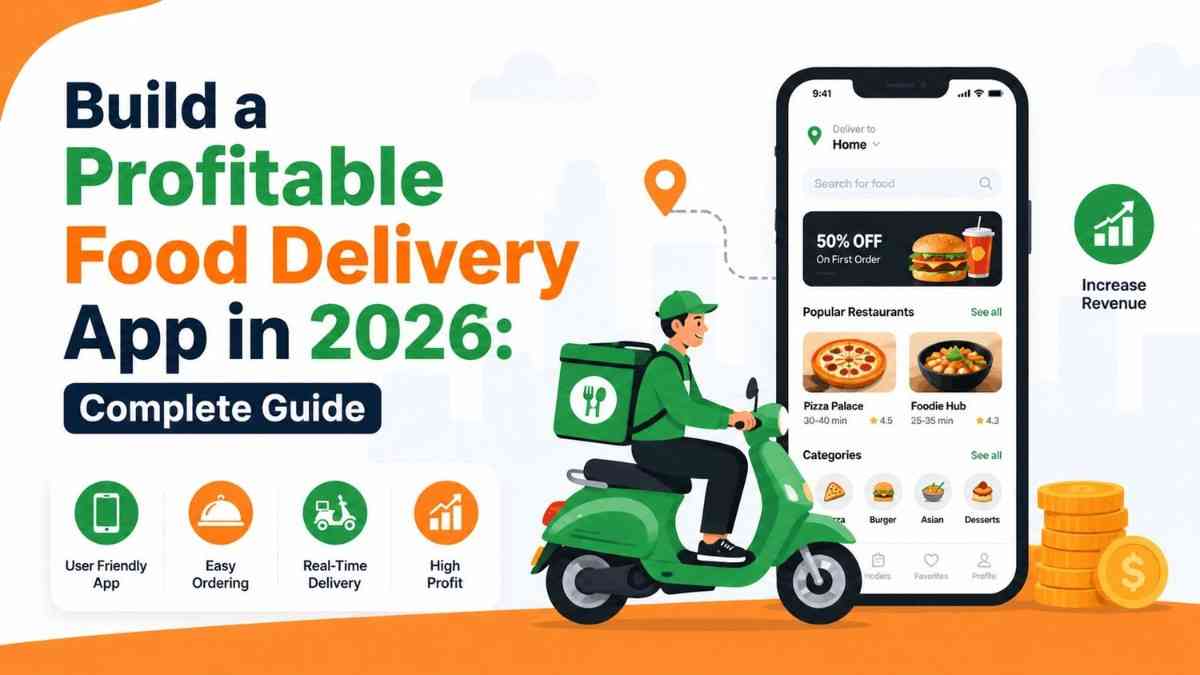
As the food delivery industry continues to evolve, 2026 presents a unique opportunity for entrepreneurs to capitalize on emerging trends and technologies. With consumer preferences shifting towards convenience and personalized experiences, building a profitable food delivery app is more relevant than ever. This comprehensive guide will walk you through the essential components needed to create a successful food delivery platform, from understanding market dynamics and key features to implementing effective marketing strategies and navigating legal requirements. Whether you’re a seasoned developer or a budding entrepreneur, this roadmap will equip you with the knowledge to thrive in the competitive landscape of food delivery services.
The food delivery market is sizzling hotter than a fresh pizza out of the oven! By 2026, we’re looking at an estimated market size surpassing $200 billion, thanks to the pandemic-fueled love affair with ordering in. The growth isn’t slowing down anytime soon, driven by tech innovations, increasing urban populations, and the ever-tempting convenience of eating someone else’s cooking.
Consumers in 2026 are all about quick, convenient, and personalized options. Plant-based and health-conscious meals are taking the reins, while traditional fast food remains a guilty pleasure—hey, we all need a little joy in our lives! Additionally, patrons are gravitating towards apps that offer a seamless user experience, diverse food choices, and eco-friendly delivery alternatives. The mantra? “Make it easy, make it quick, but also make it *feel* good.”
The food delivery space is buzzing with competition, from established giants like DoorDash and Uber Eats to local up-and-comers eager to capture their slice of the pie (pun intended). In 2026, differentiation will be key; apps that offer unique features like subscription models, ghost kitchens, and hyper-local cuisine will stand out. Also, don’t forget the tech innovators using AI and machine learning to predict trends and personalize recommendations—talk about food for thought!
When designing the user interface, simplicity is your best friend. Use clear navigation, attractive visuals, and intuitive layouts that guide users effortlessly through the ordering process. Remember, you want them to focus on ordering their burger, not wrestling with your design!
Design with everyone in mind! Ensure your app is accessible to users with disabilities through screen reader compatibility, easy-to-read fonts, and intuitive color contrasts. The goal is inclusivity—because everyone deserves to enjoy food delivery, regardless of their unique needs.
The checkout process should feel as smooth as butter melting on a stack of pancakes. Minimize clicks, autofill where possible, and provide clear instructions. A streamlined checkout not only reduces cart abandonment but also leaves customers feeling satisfied and ready for their next delicious order.
When it comes to cash flow, you have two main options: charge customers each time they hit that “order now” button, or roll out a subscription model for die-hard foodies. Delivery fees are straightforward—users pay for each order, which can work well to keep the lights on. Alternatively, a subscription model offers users a set number of deliveries or discounts for a monthly fee, encouraging loyalty and predictable income. Mix and match these streams to create a delectable revenue menu!
No app is an island—especially in the food delivery space. Building partnerships with restaurants and vendors is like creating a culinary dream team. The more diverse your offerings, the wider your potential user base. Plus, restaurants can promote your app in-house, making it a win-win situation. Just remember: choose partners who share your vision for quality and reliability, or you might end up serving disappointment instead of deliciousness.
Watch your pennies—or dollars—because they can add up faster than a delivery driver during peak hours. Implement strategies like route optimization to reduce fuel costs and wear and tear on your fleet. Also, keep an eye on your operational costs—labor, marketing, and technology expenses can spiral out of control if left unchecked. Consider using analytics tools to gain insight into your spending habits and fine-tune your budget like a well-seasoned chef.
AI isn’t a sci-fi concept anymore; it’s your new best friend for optimizing food delivery. Use machine learning algorithms to predict customer preferences and streamline operations. Imagine automated suggestions based on previous orders or improved delivery routing that gets food to customers faster than they can say “I’m hungry.” Embrace the tech to enhance user experiences and stay ahead of the competition.
We’ve all seen the future of food delivery in movies, and guess what? It’s almost here! Drones and self-driving cars are set to revolutionize how we think about delivery—think of it as the ultimate “food on demand.” Innovate your logistics to incorporate these technologies, ensuring efficiency and speed. Just remember: you’ll need to keep the sky clear and the roads safe—no one wants a flying burrito to crash into their living room!
Today’s consumers care about more than just convenience—they want to know that their food is delivered with the planet in mind. Implement sustainable practices, like using eco-friendly packaging and optimizing delivery routes to reduce carbon footprints. Highlight your commitment to sustainability in your marketing, and watch as eco-conscious customers flock to your app. After all, a green thumb is the new black! In conclusion, creating a profitable food delivery app in 2026 requires careful planning, innovative features, and an understanding of market trends. By focusing on user experience, leveraging the right technology, and implementing effective marketing strategies, you can position your app for success in a rapidly changing industry. As you embark on this journey, remember to stay adaptable and responsive to user feedback, ensuring that your platform evolves to meet the needs of your customers. With the right approach, your food delivery app can not only thrive but also make a lasting impact on the way people enjoy their meals.
The cost of developing a food delivery app can vary significantly based on factors such as features, platform (iOS, Android, or both), and development team location. On average, you can expect to invest anywhere from $20,000 to $200,000 or more.
Essential features include user account management, real-time order tracking, multiple payment options, a rating and review system, and push notifications to keep users engaged.
Effective marketing strategies include leveraging social media and influencer partnerships, implementing SEO techniques, offering promotions and discounts, and utilizing targeted advertising to reach your audience.
Key legal considerations include understanding food safety regulations, ensuring compliance with data protection and privacy laws, and obtaining the necessary licenses and permits to operate your business legally.

© 2025 Crivva - Hosted by Airy Hosting Managed Website Hosting.








