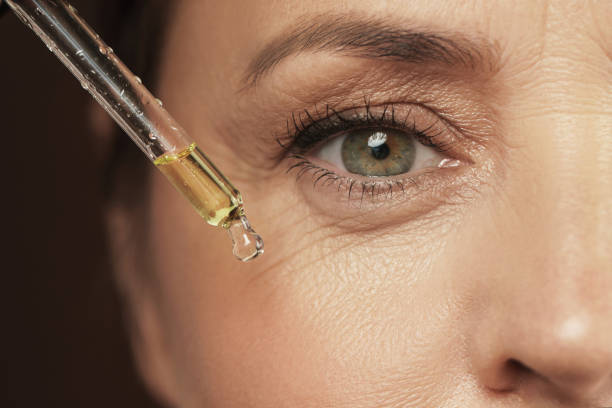
The Asia Pacific anti aging market has evolved from a niche cosmetic segment into a dynamic and multifaceted industry influenced by demographic shifts technological advancements and cultural factors. According to MarkNtel Advisors the market is projected to grow steadily with a CAGR of around 7.0 percent during 2024 to 2030 reflecting strong demand and expanding supply capabilities.
The rapidly aging population in the Asia Pacific region is one of the primary drivers of market growth. As the elderly population increases there is a growing consumer base seeking skincare and wellness solutions tailored to aging related concerns such as wrinkles loss of elasticity and hair graying.
This demographic transition is also influencing purchasing behavior. Older consumers often have higher disposable incomes and are more willing to invest in products that support long term skin health. As a result anti aging products are increasingly viewed as essential daily use items rather than luxury purchases.
Digital platforms and social media have become key sources of skincare information across the region. Influencers dermatologists and beauty professionals are actively educating consumers about ingredients treatments and skincare routines.
This increased awareness has shifted consumer preferences toward preventive skincare rather than corrective solutions. Greater access to information has also encouraged the adoption of advanced anti aging products and treatments.
Innovation remains a central factor in the growth of the anti aging market. Companies are introducing a wide range of products including anti wrinkle creams serums sun protection formulations and injectable solutions to address diverse consumer needs.
In addition to topical products the market is expanding through advanced aesthetic technologies such as laser treatments radiofrequency devices and microdermabrasion. The integration of cosmetic and medical approaches is transforming how consumers manage aging.
There is a growing preference for non invasive and minimally invasive procedures such as chemical peels laser treatments and dermal fillers. These options are gaining popularity due to shorter recovery times and perceived safety compared to surgical alternatives.
This trend reflects a broader shift toward convenience and efficiency especially among younger consumers who are increasingly adopting preventive skincare practices.
Consumers in the region are showing a strong preference for natural and organic skincare products. Formulations containing botanical extracts vitamins and naturally derived ingredients are gaining traction due to their perceived safety and long term benefits.
The clean beauty movement emphasizing transparency and sustainability is further supporting this trend. Traditional and herbal ingredients are particularly popular in countries like India where natural remedies have long been part of skincare routines.
Environmental factors such as pollution and exposure to ultraviolet radiation are contributing to premature skin aging in the region. This has increased demand for protective skincare products including sunscreens and antioxidant based formulations.
Lifestyle related factors such as stress and dietary habits also play a role in skin health further driving demand for comprehensive anti aging solutions that address both external and internal factors.
Despite strong growth potential the market faces challenges related to pricing and accessibility. High costs of raw materials particularly natural ingredients and advanced compounds can increase product prices making them less accessible to certain consumer segments.
Advanced technologies used in product development and aesthetic treatments also contribute to higher costs creating a divide between premium and mass market offerings.
Countries such as South Korea play a significant role in shaping market trends due to their strong skincare culture and continuous innovation. The region benefits from a mix of international and local players actively competing through product development strategic partnerships and marketing initiatives.
Key companies in the market include L Oreal, SA Shiseido Co Ltd, Beiersdorf AG Coty Inc and VLCC Health Care Limited all of which are focusing on strengthening their presence through innovation and brand positioning.
A notable development in the Asia-Pacific anti-aging market is the gradual shift toward personalized skincare. Consumers are increasingly seeking products and treatments tailored to their specific skin types, genetic profiles, and environmental exposure. This shift is supported by advancements in skin analysis technologies, including AI-based diagnostics and at-home testing kits, which allow brands and dermatology providers to recommend more targeted solutions.
Personalization is also influencing product formulation and marketing strategies. Instead of offering broad, one-size-fits-all products, companies are exploring customizable regimens that address individual concerns such as pigmentation, fine lines, or hydration levels. This approach reflects a deeper integration of technology with skincare and aligns with the expectations of digitally informed consumers. Over time, personalization may contribute to improved product efficacy and stronger consumer engagement, particularly among younger demographics who are more receptive to tech-enabled solutions.
The rise of e-commerce platforms across Asia-Pacific is significantly reshaping how anti-aging products are distributed and consumed. Online retail channels have improved product accessibility, allowing consumers to explore a wider range of brands, compare ingredients, and make informed purchasing decisions. This shift has been particularly evident in emerging markets where physical retail infrastructure may be limited.
Direct-to-consumer (DTC) models are also gaining traction, enabling brands to build closer relationships with their customers. Through digital platforms, companies can gather insights into consumer preferences, provide educational content, and offer tailored recommendations. This model supports greater transparency and fosters brand trust, which is increasingly important in a market where ingredient awareness and product authenticity are key concerns.
The Asia Pacific anti aging market is being shaped by a combination of demographic changes technological advancements and evolving consumer preferences. While the aging population continues to drive demand the market is also being redefined by trends such as non invasive treatments and natural formulations.
Challenges related to cost and accessibility highlight the need for balanced innovation. The future of the market will depend on how effectively industry players align product development with changing consumer expectations and regional dynamics.

© 2025 Crivva - Hosted by Airy Hosting Managed Website Hosting.