Improving workplace safety requires consistent training, clear communication, and strong accountability. Using technology and regularly reviewing policies keeps safety efforts effective and aligned with modern needs.


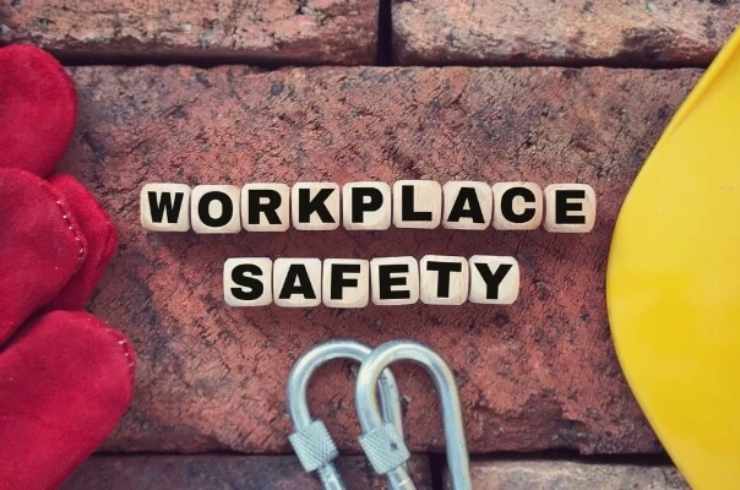
Creating a safe workplace is more than an obligation. It is a strategic requirement for organizations seeking to protect their teams, boost productivity, and reduce operational risks. Modern safety standards help businesses build structured systems that prevent accidents, improve working conditions, and create a strong safety culture. As industries evolve, companies must keep pace with international guidelines that define effective occupational health and safety.
This guide explains the foundations of workplace safety standards, how they have developed over time, and why frameworks like OHSAS 18001 and ISO 45001 continue to influence global safety practices. It also highlights the key elements that help organizations create safer and more efficient working environments.
Safety standards provide a clear roadmap for organizations to identify hazards, reduce risks, and manage incidents. These guidelines ensure that businesses do not rely only on reactive measures. Instead, they encourage proactive planning, structured processes, and documentation that support long-term safety.
Strong workplace safety standards also protect companies from financial losses. Reduced downtime, fewer incidents, and stronger compliance all contribute to higher operational efficiency. As a result, safety becomes an investment rather than an expense.
Modern workplace safety standards have evolved significantly over the last few decades. As technology and business operations changed, so did the expectations around employee protection. Earlier safety efforts were mostly compliance based, focusing only on meeting minimum regulatory requirements. Over time, the focus shifted toward risk based thinking, prevention, and continuous improvement.
Many organizations previously relied on OHSAS 18001 and ISO 45001 to guide their approach to occupational health and safety. Although ISO 45001 later replaced OHSAS 18001, both frameworks shaped how companies think about identifying hazards, controlling risks, and improving working conditions. Their influence continues today, especially for businesses transitioning from older systems to more modern standards.
Modern safety standards focus on leadership involvement, employee participation, and proactive risk control. They create structured systems that help organizations prevent hazards before they become incidents.
Successful safety programs begin with leadership. Management must demonstrate clear ownership of the safety process. This includes setting expectations, allocating resources, and promoting safety as a core value. When leaders take an active role, employees are more likely to follow.
Safety is most effective when employees contribute their experience and feedback. Modern standards encourage open communication and shared responsibility. This collaboration helps organizations identify risks that may not be obvious to supervisors or external auditors.
Identifying hazards early allows organizations to prevent incidents instead of responding to them later. Modern standards promote structured methods to evaluate risks, prioritize them, and implement control measures. This approach ensures that organizations remain focused on preventing harm.
Once risks are identified, organizations must put controls in place to eliminate or reduce them. Operational controls may include training, equipment upgrades, updated procedures, or new technologies that improve safety. The goal is to create consistent and reliable processes that protect workers.
Measuring performance helps companies know whether their safety efforts are effective. Monitoring includes tracking incident data, conducting audits, and reviewing safety metrics. This ensures that the organization remains aligned with its goals and continues to improve.
Safety standards emphasize learning from incidents, near misses, and daily operations. Continuous improvement encourages organizations to refine their systems, strengthen weak areas, and make long term progress. This cycle keeps safety programs relevant and effective.
A safety management system provides the structure an organization needs to maintain strong safety practices. It organizes policies, procedures, training, documentation, and reporting into a single unified system. This structured approach allows companies to operate confidently, knowing that their workplace meets both regulatory and international standards.
Benefits of a Safety Management System
A well designed system becomes part of the organization’s culture rather than a set of documents. When implemented correctly, it influences day-to-day activities and supports long term success.
Organizations across the world use international standards to maintain consistency and reliability in safety performance. These standards help businesses meet global expectations and build trust with partners, clients, and employees.
ISO standards promote best practices that apply across industries and regions. They provide a universal language for safety, making it easier for companies to demonstrate their commitment to health and security. Even companies that do not pursue certification benefit from following ISO principles.
Although modern frameworks have evolved, past systems still play a role in guiding safety efforts. Many businesses continue to reference OHSAS 18001 and ISO 45001 when designing their internal safety processes. They rely on these frameworks to maintain structured documentation, strong hazard identification practices, and clear communication. As a result, both standards continue to contribute to safer workplaces around the world.
Even with clear guidance, organizations may struggle to fully meet safety expectations. Common challenges include limited resources, lack of training, complicated processes, and inconsistent follow through. Many companies also face difficulty in adapting traditional systems to match modern safety requirements.
However, these challenges can be overcome with proper planning and leadership support. When safety is integrated into everyday operations, it becomes part of the company’s identity rather than a separate task.
Employees perform better when they know their safety is a priority. Regular communication, training, and recognition help reinforce this mindset.
Digital tools can streamline reporting, inspections, incident tracking, and asset management. Technology also ensures that information is accurate and available in real time.
Continuous training helps employees stay aware of risks and learn new safety practices. It also keeps organizations aligned with modern standards.
Workplaces change, so policies must evolve as well. Regular reviews ensure that safety processes stay relevant and effective.
Everyone in the organization should understand their role in maintaining safety. Clear responsibilities help prevent gaps and increase consistency.
Modern workplace safety standards play a critical role in protecting employees and improving organizational performance. As businesses grow and technologies advance, the need for structured safety systems becomes even more important. Frameworks inspired by OHSAS 18001 and ISO 45001 continue to shape how organizations manage risks, communicate responsibilities, and pursue continuous improvement.
By embracing global guidelines and building a strong safety culture, companies can create environments that support long term productivity, reduce incidents, and inspire employee confidence. Safety becomes a shared commitment that strengthens every part of the organization.

© 2025 Crivva - Hosted by Airy Hosting Managed Website Hosting.