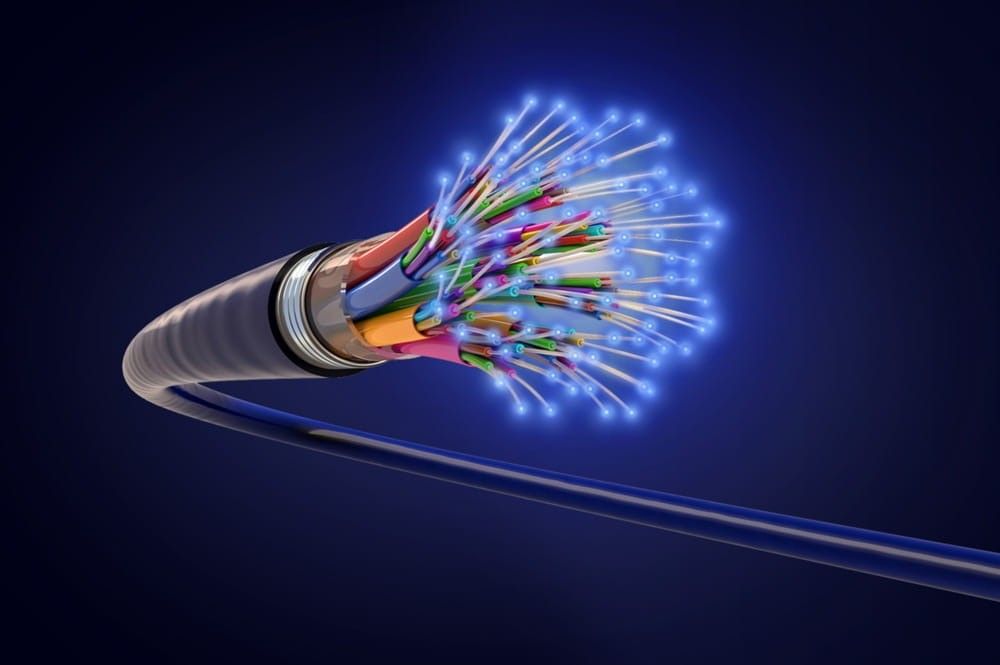
The Fiber optic networks are the backbone of modern communication. They can help with business operations, high-speed internet services, and much more. The importance of them makes it crucial to keep them well-maintained to guarantee their performance and durability. While fiber optic cables are highly durable, they are at risk due to environmental conditions and improper handling.
This guide will discuss some practical and effective fiber optic cable maintenance tips to keep your network alive for longer and steady connections.
Proper handling is crucial for the performance of fiber optic systems. So, technicians need to handle cables properly during installation and maintenance. This avoids any creation of microbends, which decrease signal strength gradually.
When technicians handle cables, they must hold the connector while pulling it. This prevents stress inside the cable and preserves its structure. Moreover, correct placement ensures that there will be no pressure on the cable.
Cable dragging and stepping cause stress to the inner parts of the fiber cable, leading to gradual signal loss and network inefficiency. As a result, performance will worsen due to improper handling.
Proper training allows technicians to work more safely and avoid mistakes during the installation process. Consequently, their performance will be improved, and the network will function correctly.
Bend radius directly influences signal strength. Therefore, maintaining correct bending limits is critical. Sharp bends restrict light transmission inside fibres.
Always follow manufacturer recommendations for bending limits to prevent structural damage. Moreover, proper routing improves long-term durability.
Install cables with smooth curves and controlled turns. This reduces internal strain. Consequently, signals can travel easily without any hindrance.
Connector cleaning is essential for smooth signal transmission in fiber optic networks. Dust, dirt, and oil particles can block light signals and reduce network performance. Therefore, connectors should be cleaned regularly to maintain stable communication.
Always use proper fiber optic cleaning kits for connector maintenance. These tools clean the connector surface safely while helping prevent scratches or damage.
In addition, avoid touching connectors with bare hands. Natural skin oils may affect signal quality and reduce transmission efficiency.
External factors may impair cable construction over time. Therefore, we need to take protective measures. Heat and moisture influence the functioning of cables significantly.
I recommend placing the cables in conduits to protect them from external threats. As conduits ensure increased durability.
Do not place cables close to water or under direct sunlight. Such environments increase the speed of ageing and result in higher risks of failure.
Also, conduct inspections on the environment surrounding the cables to discover potential dangers. This ensures the stability of network performance.
Fiber optic network systems can fail at major costs if they are not inspected regularly. Regular monitoring helps ensure early detection of problems, lowering repair expenses and minimizing network downtime.
Use proper testing equipment to measure signal strength and signal loss. This will allow you to identify problem areas early and aid in the rapid troubleshooting.
Additionally, thoroughly check all network equipment, such as connectors, cable runs and fiber splices. Stable and efficient network performance is assured through proper inspection.
Maintain detailed records of inspections and repairs as well. These records make it easier to track system performance over time and support better long-term maintenance planning.
Mechanical stress wears out the cables slowly over time. As such, proper installation techniques are recommended. Avoid stressing the cables during installation.
Use cable supports to maintain their position. This helps to avoid their movements. Also, organized arrangements enhance safety.
Ensure cables are not exposed to heavy machinery or areas under pressure. This will minimize the risk of compression of the fibres. This will prevent any damage to the fibre optics.
Also, ensure enough slack is provided to accommodate movement without stressing the cables.
Components that age lower the performance of fibre optic cables. Older components make the fibres less efficient. So, replacement should be considered.
Upgrading the system to suit the current demands of the data is vital. This ensures improved speed and efficiency. Consequently, the network can manage increased traffic.
Updating also helps minimize maintenance problems. Furthermore, it guarantees future scalability and stability.
Organization of cables is vital in the maintenance process. This calls for organization of the cables. Disorganization leads to confusion and loss.
Ensure labeling of cable paths by use of labels. This makes it easier to maintain the cables. It also avoids errors during maintenance.
This also promotes airflow around the cables. This improves their performance and network stability.
Human error often causes network issues. Therefore, proper training is essential. Skilled technicians handle cables more effectively.
Provide regular training sessions for maintenance teams. This ensures updated knowledge of best practices. Moreover, it reduces mistakes.
Encourage awareness of safety and handling procedures. This improves overall system care. As a result, fewer failures occur.
Additionally, trained teams respond quickly to issues. This minimizes downtime. Consequently, network performance remains stable.
Network reliability depends on consistent maintenance practices. Small mistakes can lead to major failures. Therefore, proactive care is essential.
These proven strategies improve the performance of any fiber optic cable system. They reduce signal loss and extend lifespan. Moreover, they ensure stable connectivity.
By applying these methods, you protect your network investment. As a result, your system delivers reliable performance for years.
Fiber optic cable maintenance helps ensure stable network performance, reduces signal loss, prevents costly downtime, and extends the lifespan of the entire communication system.
Microbends create small distortions inside the fiber cable that weaken light transmission. This can reduce signal strength and lead to slower or unstable network connections.
Maintaining the correct bend radius prevents internal damage to the fiber strands. Sharp bends can block light signals and decrease network efficiency.
Fiber optic connectors should be cleaned regularly during installation, maintenance, and inspections. Keeping connectors free from dust and oil helps maintain strong signal transmission.
Technicians commonly use fiber optic cleaning kits, lint-free wipes, cleaning sticks, and specialized cleaning solutions to safely clean connectors without causing damage.
Yes, moisture, heat, direct sunlight, and harsh environmental conditions can weaken cable structures over time and affect network reliability.

© 2025 Crivva - Hosted by Airy Hosting Managed Website Hosting.