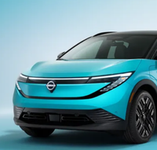
The 2026 Nissan LEAF is here. It is no longer just a pioneer; it is a serious contender. Nissan has transformed its signature electric vehicle into a modern, affordable EV that hits the sweet spot for daily drivers. The third-generation model moves from a quirky hatchback to a sleek electric crossover. It brings more range, better tech, and a price tag that undercuts most of the market. This car recently earned the title of World’s Best Compact Car from the Women’s Worldwide Car of the Year (WWCOTY) jury. That award matters. It evaluates vehicles based on safety, quality, price, and ease of driving. The new LEAF delivers on all four.
Nissan aims to keep the LEAF as one of the most accessible electric cars in the United States. While the base model with the smaller battery will arrive later, the initial lineup focuses on the long-range 75 kWh battery versions.
The Nissan LEAF S+ is the value leader. For under $30,000, you get over 300 miles of range. That is a massive jump from the previous generation’s 212-mile maximum. It puts the LEAF in direct competition with the Chevrolet Bolt and Tesla Model 3. Nissan also addresses charging anxiety by including two ports. You get a NACS port for Tesla Superchargers and a J1772 port for home charging. This flexibility is a smart move.
The move to a purpose-built EV platform changes everything. The 2026 LEAF feels planted. It has a low center of gravity. The front-mounted motor produces 214 horsepower and 261 lb-ft of torque. Acceleration is immediate. It lacks the lag of traditional combustion engines.
Nissan uses a liquid-cooled battery system now. This is a critical upgrade over the old air-cooled units. It improves battery longevity and ensures consistent charging speeds in cold weather. The car also features e-Step technology. This allows for aggressive regenerative braking. You can slow the car significantly just by lifting off the accelerator.
The cabin is a major leap forward. It reminds me of the more expensive Nissan Ariya. The old, bulky center console is gone. Shift controls now sit on the dash. This opens up the floor space. The digital cockpit consists of dual screens. In the base trims, you get two 12.3-inch displays. The higher trims move to massive 14.3-inch screens.
The headline feature is Google built-in. This means Google Maps, Google Assistant, and the Google Play Store are native to the car. You do not need to plug in your phone to get high-end navigation. The system calculates your state of charge upon arrival at your destination. It even suggests charging stops along your route. For those who prefer their own devices, wireless Apple CarPlay and wireless Android Auto remain standard. This gives the LEAF a leg up over the new Chevy Bolt, which lacks CarPlay.
The 2026 LEAF has grown. It is now 173.4 inches long. This increased size pays off in cargo capacity. Behind the second row, you have 20 cubic feet of space. Fold the seats down, and that expands to 55.5 cubic feet. That is an 85% improvement over the outgoing model’s maximum cargo room.
The rear seat is a bit tighter than some rivals. However, it still accommodates adults for shorter trips. The cabin also features acoustic glass and improved insulation. It is remarkably quiet at highway speeds.
Nissan designers prioritized aerodynamics to maximize range. The new LEAF features a flush grille and a flat underbody. The sloping roofline reduces drag. Active grille shutters open only when the battery needs cooling. These changes result in a drag coefficient of 0.26. This efficiency allows the car to travel further on a single charge. It also reduces wind noise inside the cabin.
The shift to a liquid-cooled battery is the most important mechanical change. Previous LEAF models suffered from heat degradation. This new system circulates coolant through the battery pack. It maintains an optimal temperature during fast charging and heavy use. This tech protects the lithium-ion cells. It ensures the car maintains its range over years of ownership. Owners in hot climates will see the biggest benefit here.
The 2026 LEAF supports Vehicle-to-Home (V2H) technology. This allows the car to act as a backup generator. In a power outage, the LEAF can send electricity back into your house. You need a compatible home charger to use this feature. It uses the large 75 kWh battery to run essential appliances. This adds a layer of utility that most competitors lack. It turns the car into a mobile energy storage unit.
Electric vehicles require less maintenance than gas cars. There are no oil changes or spark plugs to replace. Nissan estimates the LEAF costs roughly $0.04 per mile to fuel at average utility rates. The regenerative braking system also preserves the brake pads. Most drivers will go years before needing a brake job. This low total cost of ownership makes the LEAF a smart financial choice for high-mileage drivers.
Nissan includes its Safety Shield 360 suite on every trim. This is not an extra-cost option. You get Automatic Emergency Braking with Pedestrian Detection, Blind Spot Warning, and Rear Cross Traffic Alert.
The ProPILOT Assist system is standard. It handles steering, braking, and acceleration on the highway. It keeps you centered in your lane. New for 2026 is Secondary Collision Mitigation Braking. If the car detects an airbag deployment, it automatically applies the brakes to prevent a second impact. This is the kind of practical engineering that wins awards.
Efficiency is the name of the game. The LEAF S+ achieves an EPA-estimated 131 MPGe in the city and 111 MPGe on the highway. These numbers beat many larger electric SUVs.
The 2026 Nissan LEAF proves that electric mobility can be both advanced and affordable. It avoids the “science project” look of early EVs. Instead, it offers a clean, aerodynamic design that looks like a premium crossover.
For the daily commuter, the LEAF is a tool. It is reliable. It is cheap to run. With the WWCOTY award in its trophy case, it also has the validation of international experts. Nissan took the best parts of the original LEAF and fixed every major complaint. The result is the best compact EV on the market today.

© 2025 Crivva - Hosted by Airy Hosting Managed Website Hosting.