

Anorectal Health: Managing Fistulas, Fissures, and Piles
Digestive health is closely connected to overall well-being, yet anorectal conditions such as piles, anal fissures, and anal fistulas are often overlooked because many people feel uncomfortable discussing them. Although these conditions are common, they can significantly affect daily comfort, productivity, and quality of life if left untreated. Early awareness, healthy lifestyle choices, and timely medical attention can help manage symptoms and reduce the risk of complications.
Healthcare professionals recommend paying close attention to warning signs such as persistent pain, rectal bleeding, swelling, discharge, or changes in bowel habits. While lifestyle improvements can lower the risk of developing anorectal disorders, the most appropriate treatment depends on the underlying condition and should always be guided by a qualified healthcare professional.
Understanding Common Anorectal Conditions
Piles (Hemorrhoids)
Piles, also known as hemorrhoids, are enlarged veins located in the lower rectum or around the anus. They commonly develop because of chronic constipation, repeated straining during bowel movements, prolonged sitting, pregnancy, obesity, or increased pressure on the rectal veins. Depending on their location, piles may be internal or external.
Common symptoms include:
Pain or discomfort during bowel movements
Bright red bleeding after passing stool
Itching around the anal area
Swelling or small lumps
A burning sensation
Difficulty sitting comfortably
Although mild cases may improve with healthy habits, persistent symptoms should never be ignored.
Anal Fissure
An anal fissure is a small tear in the lining of the anal canal. It often develops after passing hard or large stools and can cause sharp pain during bowel movements. Some people also experience minor bleeding or muscle spasms around the anus.
Constipation, chronic diarrhea, and repeated straining are common contributing factors. Early treatment and softer bowel movements can often support the healing process.
Anal Fistula
An anal fistula is an abnormal tunnel that develops between the anal canal and the surrounding skin, usually following an infection or abscess. Unlike piles or fissures, fistulas often require medical evaluation because they may not heal on their own.
Symptoms can include pain, swelling, discharge, irritation, and recurring infections. Seeking professional medical care at an early stage helps reduce the risk of complications.
Common Risk Factors
Although these conditions differ, they share several lifestyle-related risk factors.
Some of the most common include:
Chronic constipation
Low dietary fiber intake
Drinking insufficient water
Sitting for prolonged periods
Obesity
Pregnancy
Frequent straining during bowel movements
Sedentary lifestyle
Poor bowel habits
Reducing these risk factors not only supports anorectal health but also contributes to better digestive wellness.
Why Digestive Health Matters
Healthy digestion plays an essential role in preventing constipation, one of the leading contributors to anorectal problems. When bowel movements become difficult or irregular, extra pressure is placed on the rectal veins and anal tissues, increasing the likelihood of developing piles or aggravating existing symptoms.
Maintaining a balanced diet, staying hydrated, and remaining physically active all contribute to smoother digestion and healthier bowel movements. These habits may seem simple, but practicing them consistently can have long-term benefits for digestive and bowel health.
Healthy Habits That Support Digestive Health
Lifestyle choices can make a noticeable difference in both prevention and recovery.
Helpful daily habits include:
Eat a balanced diet rich in fruits, vegetables, legumes, and whole grains.
Drink enough water throughout the day.
Exercise regularly to encourage healthy digestion.
Avoid sitting continuously for long hours.
Respond promptly to the urge to pass stool.
Maintain a healthy body weight.
Reduce unnecessary straining during bowel movements.
These habits support regular bowel movements, improve digestive function, and may reduce pressure on the rectal area over time.
A Practical Example
Consider two people who both work in office environments.
The first person spends eight to ten hours sitting at a desk, drinks very little water, frequently eats processed or fast food, and often ignores the urge to use the restroom because of a busy schedule. Over time, these habits may contribute to chronic constipation, placing additional pressure on the rectal veins and increasing the likelihood of developing piles or worsening existing symptoms.
The second person follows a different routine. They start the day with a fiber-rich breakfast, carry a water bottle throughout the day, take short walking breaks every hour, and include fresh fruits and vegetables in their meals. They also respond promptly to the urge to pass stool instead of delaying it. These small but consistent habits support healthy digestion and help reduce unnecessary strain during bowel movements.
While no lifestyle change can completely eliminate the risk of anorectal conditions, adopting healthier daily routines can contribute to better digestive health and improved comfort.
The Importance of Early Care
Many people delay seeking medical advice because they assume the symptoms will disappear on their own. Unfortunately, postponing treatment may allow the condition to progress and become more difficult to manage.
Ignoring symptoms such as persistent bleeding, severe pain, swelling, or discharge may increase the risk of complications and affect daily activities. Early assessment by a qualified healthcare professional helps identify the underlying cause and allows appropriate treatment to begin sooner.
Early care not only supports recovery but may also reduce discomfort and improve quality of life.
Understanding Treatment Options
Treatment depends on the specific condition, its severity, and an individual’s overall health.
Mild cases of piles or anal fissures may improve with:
A high-fiber diet
Increased water intake
Better bowel habits
Regular physical activity
Lifestyle modifications recommended by a healthcare professional
More advanced conditions, particularly anal fistulas, often require medical evaluation and may involve additional treatment depending on the underlying cause.
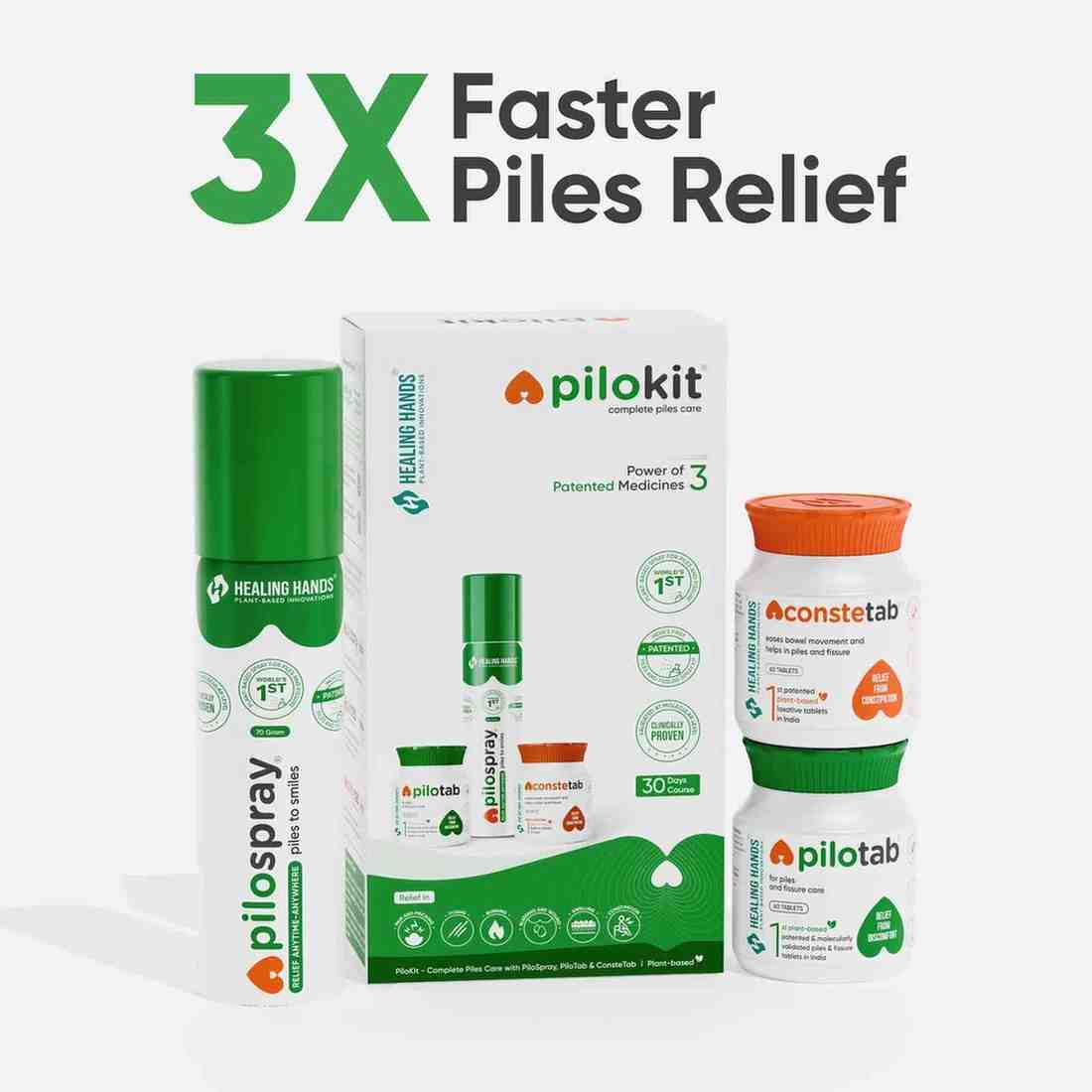
For readers interested in learning more about plant-based digestive and anorectal wellness solutions, the Piles, Fissure & Fistula Care Collection from Healing Hands provides information about products developed to support digestive and anorectal wellness as part of an overall healthcare routine.
Foods That Support Digestive Health
Diet plays an important role in maintaining regular bowel movements and reducing constipation.
Foods that support digestive health include:
Apples
Pears
Papaya
Oats
Brown rice
Whole-grain bread
Lentils
Beans
Spinach
Broccoli
Carrots
Flaxseeds
Limiting highly processed foods, excessive sugary snacks, and inadequate water intake may also help maintain healthy digestion.
When Should You Seek Medical Advice?
Although mild symptoms sometimes improve with conservative care, professional medical advice is recommended if you experience:
Persistent rectal bleeding
Severe or worsening pain
Continuous swelling
Fever
Pus or unusual discharge
Symptoms lasting longer than two weeks
Recurrent anorectal problems
Early diagnosis helps healthcare professionals determine the underlying cause and recommend the most appropriate treatment plan.
Frequently Asked Questions
Can piles heal without surgery?
Many mild cases improve with lifestyle changes, better bowel habits, and appropriate medical guidance. However, treatment depends on the severity of the condition.
See More : https://myhealinghands.in/collections/piles-fissure-fistula-anorectal-care-medicine
Is constipation linked to anorectal disorders?
Yes. Chronic constipation is one of the most common risk factors because repeated straining places additional pressure on the rectal area.
Does drinking more water help?
Adequate hydration supports healthy digestion and helps keep stools softer, making bowel movements more comfortable.
Can exercise reduce the risk?
Regular physical activity supports bowel function, improves digestion, and may lower the risk of constipation-related anorectal problems.
Final Thoughts
Anorectal conditions such as piles, anal fissures, and anal fistulas are common, but they should never be ignored. Developing healthy bowel habits, eating a fiber-rich diet, staying hydrated, remaining physically active, and seeking timely medical advice are practical steps that support long-term digestive health.
Reliable health information and guidance from qualified healthcare professionals help individuals make informed decisions about their care. While lifestyle improvements cannot prevent every condition, they can play an important role in reducing risk, supporting recovery, and improving overall well-being.
By making small, consistent changes each day, it is possible to support healthier digestion and maintain better anorectal health over the long term.

© 2025 Crivva - Hosted by Airy Hosting Managed Website Hosting.