


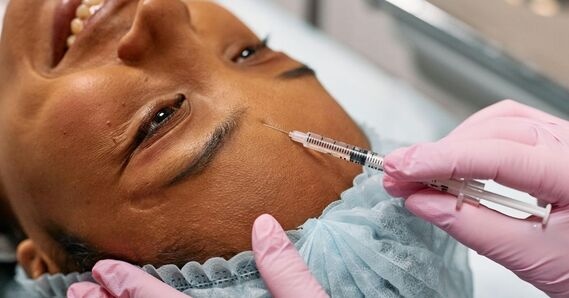
Age defense usually begins with a quiet realization: your face still feels like you, but it’s starting to hold onto expressions a little longer than it used to. From the perspective of an observer who has explored Mirror by La Vita’s services, the experience reads as calm, informative, and centered on subtle changes rather than dramatic shifts. That emphasis matters because timing shapes outcomes; when treatment is approached thoughtfully, it can look preventive instead of corrective. For anyone curious about Botox in Toronto, the most useful first step is learning what signals to watch for and what good care looks like beyond the marketing.
One of the first signs people notice is when lines stop disappearing once the face relaxes. Forehead creases that remain after raising the brows, or the “11” lines between the eyebrows that stay visible even in a neutral expression, are common triggers for researching injectables. Skincare can absolutely help with hydration, glow, and texture, but it cannot reliably stop repetitive muscle movement from leaving a long-term imprint. When lines begin to linger, many people see Botox less as a cosmetic “change” and more as a way to soften the motion that keeps reinforcing those marks.
Another subtle shift is elasticity. As skin becomes less springy over time, it rebounds more slowly after movement. That’s when makeup may settle into creases differently, or photos may capture a tired look even after a restful night. Botox does not replace collagen and it does not add volume, but it can reduce the repetitive folding caused by strong facial movements. In an age-defense mindset, that reduction can help slow the deepening of expression lines as skin’s natural resilience changes.
Standard Botox typically focuses on classic areas such as the forehead, the glabella (between the brows), and crow’s feet. The goal is to soften repeated muscle contraction so lines appear less pronounced while expression is preserved. People often notice early changes within a few days, with full results settling around two weeks. In well-planned treatments, the outcome tends to look like a rested version of the same face rather than a different one.
Targeted Botox is a more customized approach built around specific concerns rather than treating multiple areas by default. For clients who want subtle refinement, targeting can keep the treatment minimal while still addressing the strongest movement patterns. In the broader conversation around Botox in Toronto, this is often where the difference between “fine” and “excellent” results shows up, because thoughtful placement and conservative dosing are what make changes blend naturally.
A consultation should feel like a collaborative plan, not a sales moment. A good provider asks what the client wants to change, what they want to keep, and how they define “natural.” They also review medical history, explain what Botox can and cannot do, and outline a realistic timeline for results. This step matters because satisfaction often comes from aligned expectations as much as from technique.
Preparation is usually simple. Clinics often advise avoiding alcohol shortly before treatment and discussing any medications or supplements that may increase bruising risk, when medically appropriate. It also helps to share details about prior cosmetic procedures, even if they were done years ago. The goal is not to create extra rules; it’s to reduce avoidable side effects and keep the process smooth.
Appointments are usually quick. The injector may ask the client to raise brows, frown, or squint to map muscle movement precisely. After cleansing the skin, small injections are administered with a fine needle. Most people describe the sensation as brief pinches and are surprised by how quickly it’s finished.
Aftercare tends to focus on protecting placement and minimizing irritation. Many clinics recommend avoiding rubbing treated areas and postponing intense exercise for the rest of the day. Mild redness, swelling, or tiny bruises can appear at injection points, but they often settle quickly. A reputable clinic explains what’s normal, what’s uncommon, and when a follow-up is appropriate.
Early changes often appear within several days, while the full effect is usually assessed around two weeks. Longevity varies, but many people plan maintenance every three to four months. Over time, some clients adjust dosing or frequency based on how their muscles respond and what level of movement they prefer to keep.
The prices of Botox in Toronto varies based on provider experience, clinic standards, and how treatments are billed. While lower prices can be appealing, Botox is technique-driven, and expertise influences balance, symmetry, and long-term consistency. From an age-defense perspective, value isn’t only about smoothing lines today; it’s also about slowing how quickly expression patterns deepen over the years. For readers who want trustworthy reference points, the American Society of Plastic Surgeons offers educational resources about cosmetic injectables, and Health Canada regulates approved products and safety standards in Canada. Those sources can help separate general information from exaggerated claims.
Most people return to their routine the same day, though it’s common to avoid intense workouts and skip touching treated areas until the provider’s recommended window has passed.
Natural results typically mean lines look softer while expression remains intact. Achieving that usually depends on conservative dosing and careful placement rather than maximizing immobility.
Yes. People with strong facial movement often benefit from a plan that accounts for muscle strength and small differences in how each side of the face moves.
It helps to ask how dosing is determined, how symmetry is handled, when results should be evaluated, and how the provider balances smoothing with natural movement.
Temporary redness, mild swelling, or small bruises can occur at injection sites. A good provider explains what’s expected and what signs should prompt a check-in.

© 2025 Crivva - Hosted by Airy Hosting Managed Website Hosting.