


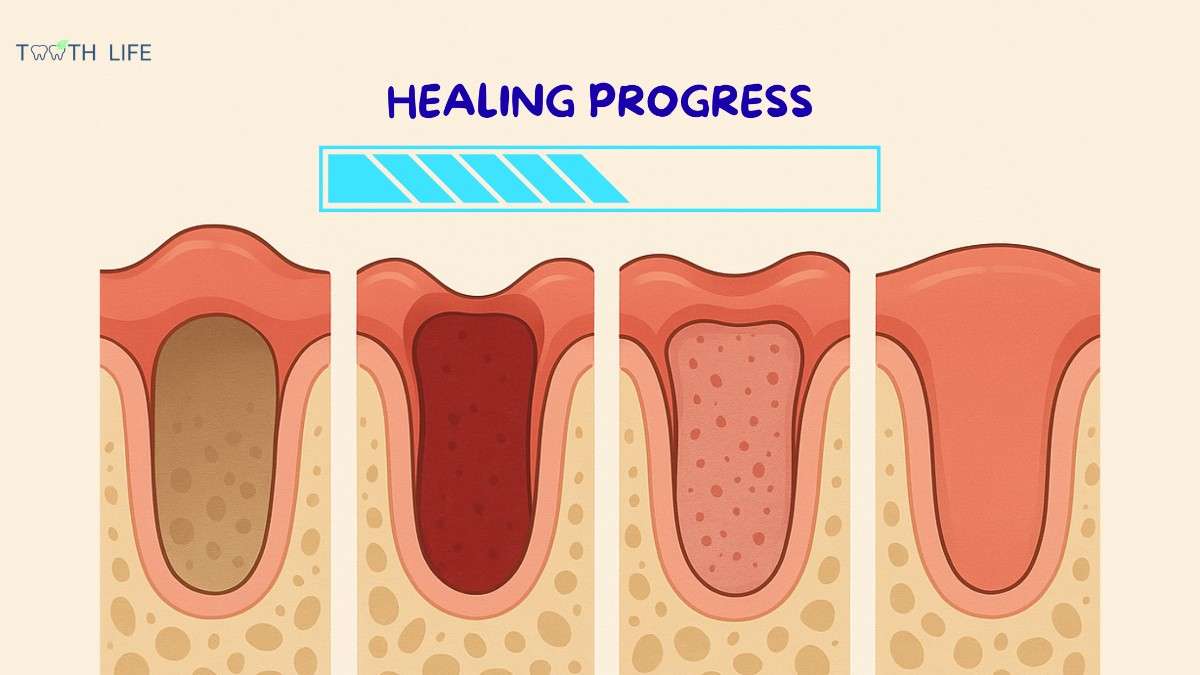
Wisdom tooth removal is one of the most common dental procedures, yet recovery often feels uncertain—especially during the first few days. The good news? The first 72 hours play the most important role in determining how smoothly and comfortably you heal.
This guide breaks down exactly what to expect, what to do, and what to avoid during each phase of recovery so you can heal faster, minimize discomfort, and get back to normal life with confidence.
The initial three days after wisdom tooth extraction set the foundation for healing. During this window, your body forms protective blood clots, inflammation peaks and begins to resolve, and soft tissue repair starts.
Proper care during this period helps:
Reduce pain and swelling
Prevent dry socket and infection
Speed up tissue healing
Minimize complications
A structured recovery approach removes guesswork and lowers anxiety.
The first day is all about stabilization.
Blood clots form in the extraction sites
Initial inflammation begins
Numbness gradually wears off
Bite gently on gauze as directed to control bleeding
Rest with your head elevated
Apply cold compresses in 15-minute intervals
Take prescribed or recommended pain relief on schedule
Stick to soft, cool foods like yogurt or smoothies
Rinsing your mouth vigorously
Drinking through straws
Smoking or vaping
Touching the area with your tongue or fingers
Protecting the blood clot is critical. Dislodging it can delay healing and increase pain.
Swelling often peaks during this stage, but discomfort should feel more manageable with proper care.
Inflammation reaches its highest point
Early tissue repair begins
Jaw stiffness may appear
Switch from cold to warm compresses if advised
Begin gentle saltwater rinses (not forceful)
Maintain a soft-food diet
Stay hydrated
Continue oral hygiene, avoiding extraction sites
Mild swelling
Slight bruising
Limited mouth opening
These are signs your body is responding appropriately to healing.
By day three, most patients notice a significant improvement.
Swelling starts to decrease
Pain becomes more localized
Tissue repair strengthens
Gradually reintroduce soft, warm foods
Resume light daily activities
Keep up gentle oral hygiene
Follow any post-op instructions provided by your dentist
If pain suddenly worsens instead of improving, that’s a signal to check in with your dental provider.
What you eat during the first few days after wisdom tooth removal has a direct impact on healing speed and comfort. Soft, nutrient-rich foods reduce strain on the extraction sites while providing your body with the energy it needs to repair tissue. Options like blended soups, scrambled eggs, mashed vegetables, and smoothies help maintain nutrition without increasing irritation. Avoid foods with small particles or sharp edges, as they can lodge near the surgical area and delay healing.
Proper rest supports inflammation control and tissue repair. Sleeping with your head slightly elevated helps reduce swelling and promotes circulation away from the extraction area. Using a supportive pillow and avoiding sleeping on your side during the first two nights can minimize pressure on the jaw. Gentle jaw stretching, when recommended, may also reduce stiffness and improve comfort as healing progresses.
Staying hydrated supports circulation and helps your body flush out inflammation naturally. Sip water frequently throughout the day, especially during the first 72 hours. Oral hygiene should continue with care—gentle brushing away from the extraction sites and mild saltwater rinses help maintain cleanliness without disrupting healing. Striking the right balance prevents infection while protecting the surgical area.
Many recovery issues come from small missteps. Avoiding these can dramatically improve comfort:
Skipping pain medication until pain escalates
Returning to strenuous activity too soon
Eating crunchy or spicy foods early
Ignoring hydration
Smoking during early recovery
Healing is not just about time—it’s about consistency.
While the first 72 hours are the most critical, complete healing takes longer:
3–5 days: Swelling and pain significantly reduced
7–10 days: Soft tissue mostly healed
2–4 weeks: Jaw stiffness resolves
Several months: Bone fully remodels
Most people return to normal routines well before full healing is complete.
Patients recovering in Cambridge often balance busy schedules, work, and family life. Planning ahead—meals, rest, and follow-up care—makes recovery far easier.
Practices such as Galt Dental Care emphasize clear aftercare guidance so patients feel supported even after leaving the clinic.
Contact your dental provider if you notice:
Increasing pain after day three
Persistent bleeding
Fever or signs of infection
Foul taste or odor from the extraction site
Early intervention prevents minor concerns from becoming major issues.
Yes. Mild to moderate discomfort is normal, especially during the first 48 hours. Pain should gradually improve, not worsen.
Dry socket occurs when the blood clot dislodges. Avoid straws, smoking, and aggressive rinsing during early recovery.
Yes, but gently. Avoid the extraction sites for the first few days and resume normal brushing gradually.
Soft foods are recommended for several days. Crunchy or hard foods should be reintroduced slowly after the first week.
Swelling that worsens after day three or is accompanied by fever should be evaluated.
Wisdom tooth recovery doesn’t have to be stressful. With a clear 72-hour recovery roadmap, proper rest, and consistent care, most patients experience smooth, predictable healing.
By respecting your body’s timeline and following professional guidance, you give yourself the best chance for a pain-free recovery and a fast return to normal life.

© 2025 Crivva - Hosted by Airy Hosting Managed Website Hosting.