

Getting your car repaired after an accident can feel overwhelming. From sorting out insurance paperwork to finding a garage you can actually trust, there are plenty of ways things can go wrong if you are not careful. One of the smartest decisions you can make from the start is choosing an approved accident repair centre, as these garages are regularly assessed against strict quality standards and give you real confidence that the repair will be done to a proper level. Knowing a few key secrets before you hand over your keys can save you a significant amount of time, money, and unnecessary stress.
Not every repair shop is equal, and the difference in quality can be huge. Accredited garages are assessed on a regular basis and must follow set repair procedures approved by manufacturers or industry bodies. The technicians working on your car are trained to a recognised standard and use the correct methods for your specific vehicle. Always ask for proof of accreditation before agreeing to any work. A certified garage will never hesitate to show you their credentials, and if they do hesitate, that is a red flag worth taking seriously.
Before any repair work begins, ask for a full written estimate. This should clearly break down the cost of parts, labour charges, and anything else the garage plans to include. A verbal quote offers you very little protection if a disagreement comes up later. Having everything in writing keeps both parties accountable and gives you something concrete to refer back to. If the final bill comes in noticeably higher than the original estimate, you have every right to ask for a full explanation before paying.
A lot of drivers assume their insurance policy will take care of every repair cost, but that is rarely how it works in practice. Take the time to read your policy carefully and understand the details, including your excess amount, what types of damage are covered, and whether your insurer has a list of approved repair partners. Some policies only cover like-for-like parts, while others may pay for genuine manufacturer replacements. Knowing exactly what you are entitled to before you book the car in can prevent some very unpleasant surprises when the invoice arrives.
There is a noticeable difference between genuine manufacturer parts and aftermarket alternatives. Genuine parts are made specifically for your make and model, tend to fit perfectly, and usually last longer. Aftermarket parts are cheaper to source but may not always meet the same quality standard. Before work begins, ask your garage which type of parts they intend to use and why. A trustworthy repair centre will be completely open about this and will explain the options available to you based on your car and your budget.
Once the work is finished, do not be in a rush to drive away. Take your time going over the repaired areas carefully. Look at the panels for uneven paintwork, colour mismatches, or gaps that were not there before. Check that all doors, windows, and lights are functioning correctly. If anything looks off, raise it straight away. It is far simpler to get problems sorted while you are still at the garage than to chase them up weeks later. A professional and reputable garage will always welcome your inspection rather than try to rush you out of the door.
Get into the habit of storing all your repair documents together in one safe place. This means invoices, written estimates, warranty paperwork, and any emails or letters from the garage. A complete repair history adds real value to your car when it comes time to sell, as it shows prospective buyers the vehicle has been maintained and looked after properly. It also makes life much easier if you ever need to make a warranty claim or dispute a charge further down the line.
Plenty of car owners are not aware of just how much legal protection they actually have when it comes to vehicle repairs. In the UK, repair work must be completed with reasonable care and skill under the Consumer Rights Act 2015. If the repair falls short of that standard, you are entitled to have the work redone at no additional cost to you. Do not be afraid to raise concerns clearly and calmly, and if the garage fails to respond properly, escalate your complaint. You do not have to accept poor workmanship, and knowing your rights puts you in a much stronger position.
After an accident, some damage may not be easy to see. Problems with the frame, suspension, or internal systems can remain hidden. A professional inspection helps identify all damage, not just what appears on the outside. This ensures nothing important is missed during repairs.
Not all repair shops offer the same quality of service. Look for a shop with certified technicians, modern equipment, and strong customer reviews. Experienced professionals know how to repair accident damage correctly and safely. A trusted shop also gives clear estimates and honest timelines.
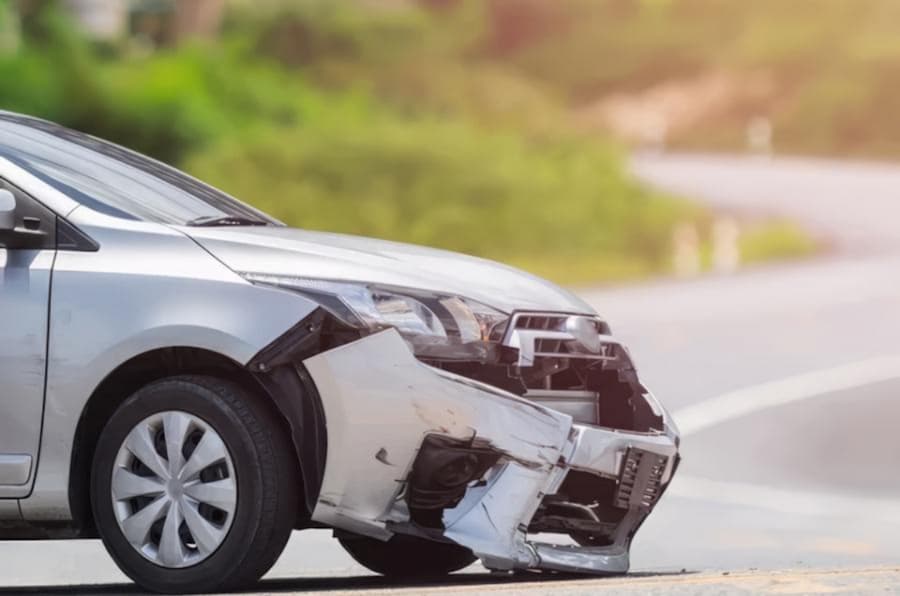
Even small accident damage can become worse over time. A cracked bumper, broken light, or misaligned panel may lead to rust, poor handling, or reduced safety. Quick repairs prevent small issues from turning into expensive problems later.
Getting your car repaired properly after an accident is about far more than just fixing the visible damage. It comes down to knowing who to trust, asking the right questions, and understanding what you are entitled to as a consumer. From picking a certified garage to holding on to every piece of paperwork, each of these steps puts you in a better position and reduces the risk of being overcharged or let down. Take your time, do your research, and never feel pressured into accepting anything less than a quality finish. Your car is a valuable asset, and it deserves the best care possible every single time.
Visit crivva for more informative blogs.

© 2025 Crivva - Hosted by Airy Hosting Managed Website Hosting.