Maintaining a clean workplace isn’t just about appearances—it plays a direct role in employee productivity, workplace wellness, and professional image. A well-maintained office reduces dust, allergens, and bacteria while creating an environment that supports concentration and efficiency. With the right strategies, businesses can keep cleaning manageable without overwhelming staff. Below are ten practical office cleaning tips that help create a cleaner, healthier, and more productive workspace.
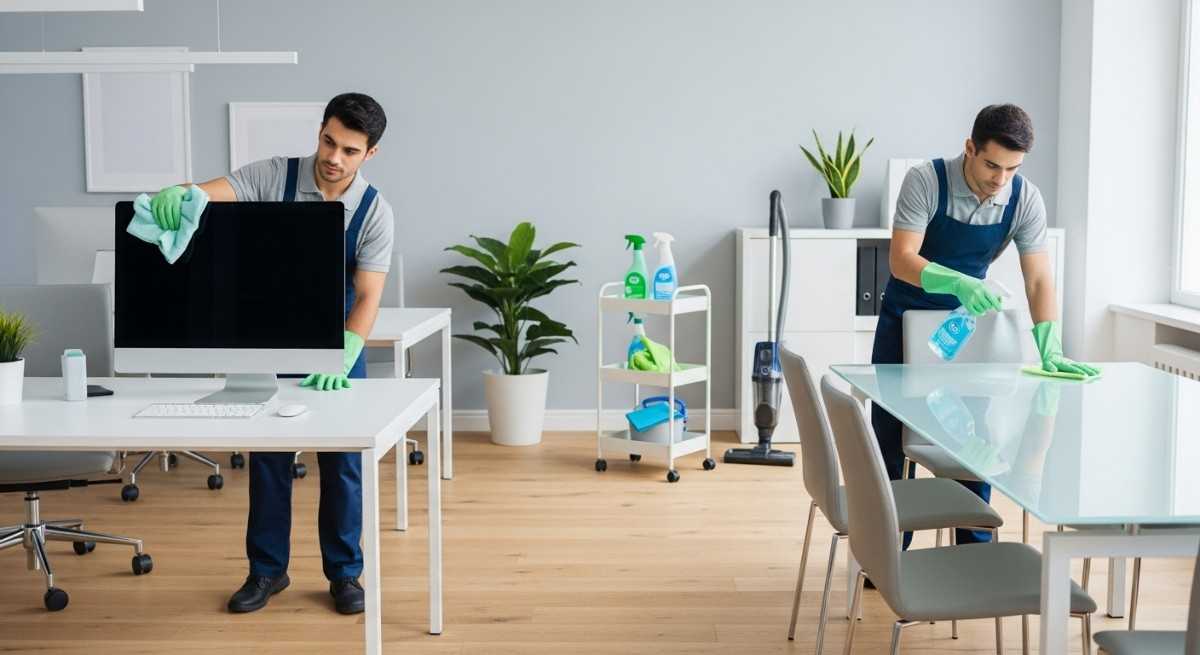
Daily cleaning routines are the foundation of a hygienic office. Just ten to fifteen minutes spent wiping desks, keyboards, door handles, phones, and other high-touch surfaces can significantly reduce bacteria buildup. Encouraging employees to clean personal workstations and disinfect their devices prevents dust and germs from accumulating throughout the week.
Eco-friendly disinfectant wipes and mild cleaning sprays help maintain safety and indoor air quality, making them ideal for frequent use. These daily maintenance habits reduce the need for time-consuming deep-cleaning sessions later and help prevent clutter and mess from spiraling out of control. Consistent daily cleaning also promotes employee health by minimizing germ transfer and lowering sick-day occurrences.
Efficiency in Commercial office cleaning often depends on using the right tools. Multi-surface microfiber cloths, all-purpose disinfectants, portable vacuums, and reusable wipes make it easier for staff to clean shared spaces quickly. Microfiber materials are especially effective at trapping dust and allergens, making them a valuable tool for allergy-sensitive workplaces.
Modern cleaning tools reduce the amount of time spent on everyday tasks while achieving more thorough results. For example, cordless handheld vacuums can keep breakrooms and conference rooms tidy without clogging up workflow. Providing employees with easy-to-access cleaning tools increases compliance and ensures the office stays cleaner for longer. With the right supplies, maintaining high hygiene standards becomes significantly faster and more practical.
Clutter is one of the biggest barriers to effective cleaning. When desks, storage areas, and shared spaces are piled with unnecessary items, dust accumulates more quickly and surfaces are more difficult to sanitize. Regular decluttering sessions help keep cleaning time efficient and manageable.
Weekly or biweekly declutter days, paired with labeled bins and organizational systems, streamline daily tasks and reduce stress. A tidy environment improves focus and productivity while minimizing distractions. Removing clutter also leaves a more polished impression on clients and visitors, reinforcing the company’s professionalism.
Dividing workplace cleaning responsibilities into zones prevents individual employees from feeling overwhelmed and ensures accountability is evenly distributed. Desks, shared equipment, breakrooms, kitchens, and restrooms each become assigned areas with daily and weekly tasks.
Rotating cleaning responsibilities keeps participation fair and prevents overlooked areas. Simple tasks such as wiping surfaces, emptying trash, and organizing shared items take only minutes but create a substantial improvement in workplace hygiene. Assigned zones also encourage teamwork and mutual respect for shared spaces.
Modern cleaning equipment offers major productivity advantages. Robotic vacuums can maintain floor cleanliness without supervision, microfiber mops provide streak-free finishes, and ergonomic cleaning carts make it easier for staff to access supplies. High-efficiency vacuums remove dust, allergens, and pollutants from carpets and upholstery, improving air quality for employees with sensitivities.
Eco-friendly tools and refillable cleaning systems also help reduce chemical exposure while supporting sustainability initiatives. Investing in smart cleaning equipment not only enhances hygiene but also reduces daily maintenance time and supports long-term operational efficiency.
While daily routines handle surface-level dirt, weekly deep cleaning tackles the areas often missed. Tasks such as carpet shampooing, window washing, and upholstery care remove bacteria, stains, and odors that accumulate over time. Deep cleaning reduces the risk of illness, refreshes office environments, and maintains a professional atmosphere for clients.
Combining weekly deep cleaning with daily maintenance creates a comprehensive sanitation system that supports employee health and comfort. Businesses that adopt structured cleaning schedules report improved productivity, reduced absenteeism, and more consistent workplace organization.
Smart storage solutions are essential for reducing clutter and maintaining organization. Filing systems, labeled bins, drawer organizers, and shelving units keep supplies and paperwork tidy and accessible. When employees can quickly locate items, they minimize distractions and streamline workflows.
Organized storage reduces dust buildup and makes surfaces easier to clean on a daily basis. Storage improvements not only support hygiene but also enhance office aesthetics and contribute to a more professional presentation. Efficient storage can save hours per week while improving productivity and maintaining workplace standards.
Paper clutter is one of the most persistent obstacles in office cleaning. Transitioning to digital workflows reduces the amount of paperwork that collects on desks and shelves, ultimately minimizing dust and allergens. Cloud-based storage and digital collaboration tools eliminate the need for printed documents and enhance organizational efficiency.
Paperless practices also support sustainability and reduce waste disposal loads. Cleaner surfaces are easier to sanitize, and digital systems promote faster task management. This shift not only supports office cleanliness but also contributes to a more streamlined and eco-friendly workplace experience.
A clean office is a collaborative effort. When employees take responsibility for personal and shared spaces, the workload for professional cleaning staff becomes more manageable. Encouraging small habits—such as sanitizing keyboards, organizing desks, and disposing of trash—helps maintain hygiene between professional cleaning sessions.
Shared responsibility also promotes accountability, encourages teamwork, and reinforces respect for the workplace. Employees benefit from improved health, morale, and comfort when they actively support a clean environment.
Checklists are a simple yet powerful tool for ensuring cleaning tasks are completed consistently and thoroughly. Tracking daily, weekly, and monthly responsibilities prevents oversight and keeps standards high. These checklists promote accountability and ensure that frequently used areas such as kitchens, restrooms, and conference rooms receive adequate attention.
Organized task management saves time and prevents cleaning tasks from piling up. By implementing checklists, businesses support a healthier, safer, and more productive workplace environment.

© 2025 Crivva - Hosted by Airy Hosting Managed Website Hosting.