


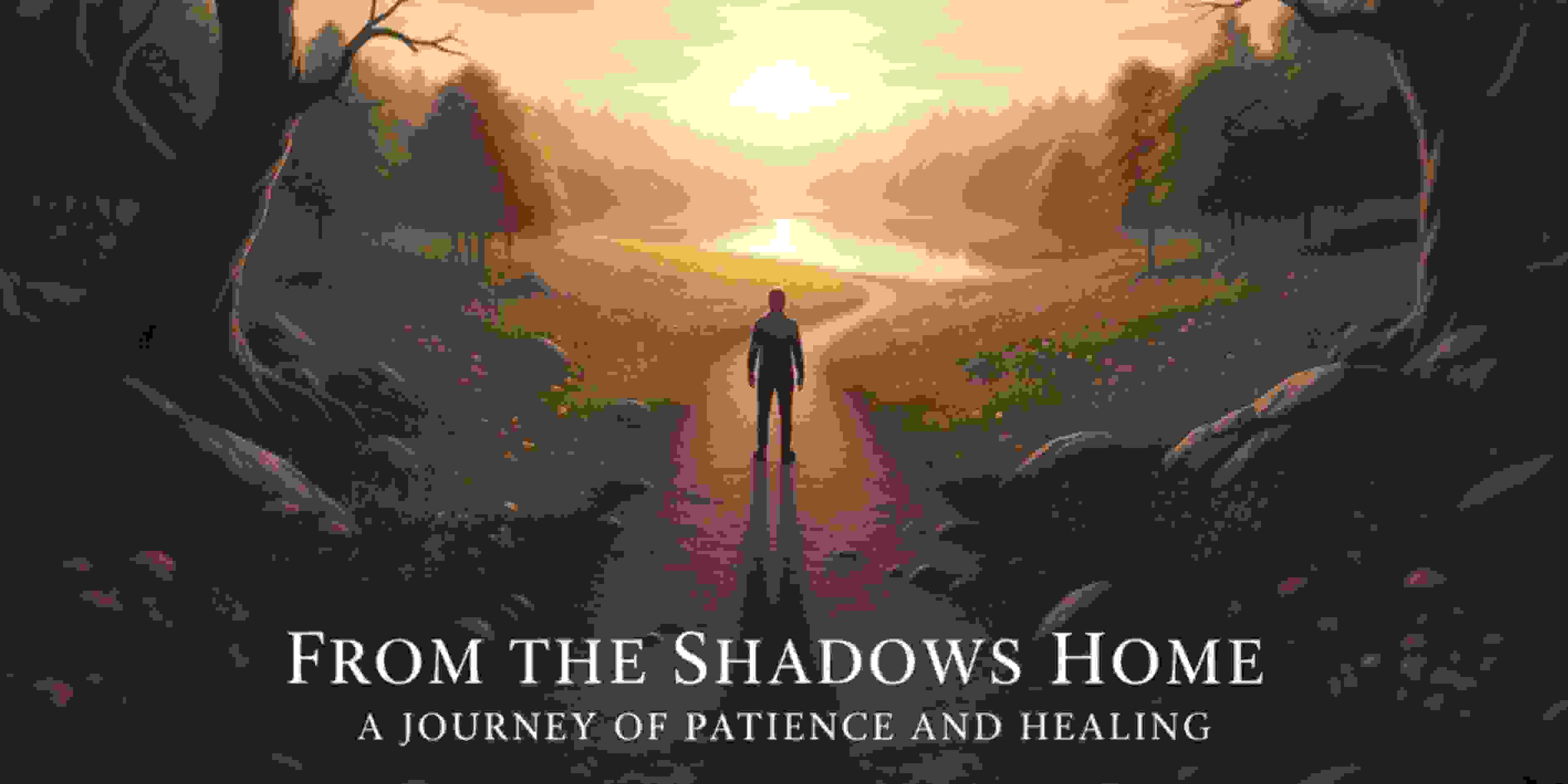
There are moments in life when you realize someone close to you is slipping away. It does not happen in a dramatic or sudden way. It happens slowly and quietly, almost like sand running through your fingers. That is what happened with my friend Charles. We used to joke about everything, stay up late talking about life, argue about silly things, and then laugh about it afterward. But gradually, something inside him began to dim. Little by little, he changed. Eventually, I realized that I was standing next to someone who hardly resembled the person I had known for years.
It started with small signs. At first, he simply seemed tired and emotionally exhausted. He was distracted, distant, and often withdrawn. Whenever I asked him what was wrong, he insisted that he was fine. It was the classic answer people give when they cannot explain the weight they are carrying inside. His family assumed it was stress from work or just a difficult phase he would eventually overcome.
However, difficult phases do not stretch on endlessly. This one did not fade at all. Instead, it grew deeper.
Soon, he stopped replying to messages. He avoided friends and family. When he did speak to anyone, his conversations lacked warmth. He had become defensive and even aggressive at times. I remember visiting his home one day and feeling a heavy silence in the air. His mother’s expression held fear, helplessness, and hope all at once.
I tried my best to support him. I invited him for walks. I spoke to him about things we once enjoyed. Sometimes I just sat near him so he would know he was not alone. But he had built emotional walls so strong that it became nearly impossible to reach him. We were not dealing with anger. We were dealing with a person drowning inside his own thoughts, unable to ask for help.
It is heartbreaking to watch a friend suffer like that. You cannot force them to open up. You cannot drag them out of their darkness. All you can do is stand on the outside, calling their name, and hoping they hear you before it becomes too late.
Weeks turned into months. His family and I met several times to discuss ways to help him. We talked about counseling, medication, time off work, lifestyle changes, everything we could think of. But he refused every suggestion. Depression had convinced him that nothing would help and that there was no reason to try anything at all. When someone reaches that mindset, encouraging them to seek help becomes incredibly challenging.
One night, after visiting him and seeing how hollow he seemed, I went home and spent hours searching for anything that might guide us. I typed every phrase I could think of into the internet. I did not know exactly what I was hoping to find. I just needed some direction.
That was when I discovered stories about wilderness based therapeutic programs. These programs were designed for young people and adults who were emotionally disconnected, overwhelmed, or stuck in harmful patterns. They used a combination of outdoor experiences, reflection, and structured therapeutic guidance. During this research, organizations like the Anasazi Foundation appeared repeatedly.
I did not accept anything at face value. I read forums, articles, personal reviews, and research studies. I saw both positive and negative experiences. Therapy is deeply personal, so it made sense that people had different reactions. Still, one thing stood out. Most reviews leaned positive. Many people felt that the experience had helped their loved ones reconnect with themselves.
I did not want to rush into anything. After several days of thinking, I finally reached out to one of these organizations. I explained what was happening and asked them about their approach. Their response surprised me. They were calm, patient, and realistic. They did not oversell anything. They explained how nature can help slow a person down, how guided reflection helps people understand themselves more clearly, and how removing someone from their stressful routines can give them space to heal.
I shared this information with his family. They were frightened and unsure but also deeply concerned. They wanted to do something before things got even worse. After many discussions, they decided to encourage Charles to participate in a program.
He resisted the idea. Fear and hopelessness often create resistance. But eventually, with their gentle encouragement and patience, he agreed. It might have been a small spark of willingness inside him. Or maybe he was simply exhausted and wanted a break from everything.
He left for the program shortly after.
The first updates from the staff were difficult to hear. He felt uncomfortable and frustrated. He did not want to participate and kept to himself. But the structure of the program did not force him to change. It allowed him to sit in quiet environments, reflect, and gradually open up at his own pace. Nature has a way of softening a person without demanding anything from them.
As the weeks went by, he began to participate more. He spoke during group reflections. He walked with more intention during hikes. He even smiled from time to time. These might sound like small actions, but after months of emotional numbness, they were major steps forward.
Two months later, he finally returned home. I expected a huge transformation, but what I saw was something more subtle and more meaningful. He appeared lighter. His shoulders were relaxed. His eyes held clarity that had been missing for a very long time. He seemed peaceful.
We sat down to talk, and for the first time in months, he actually shared his thoughts. He said he had spent time facing emotions he had been avoiding. He realized how much he had been shutting the world out and how deeply it affected the people who cared about him. He talked about moments during the program that helped him pause and understand himself without judgment.
He did not claim to be completely healed. He simply felt stronger, calmer, and more in control of his emotions.
In the following weeks, his behavior at home continued to improve. He spent time with his parents. He participated in family conversations. He helped around the house. He laughed at jokes. He apologized for some past behavior, something none of us expected so soon. Seeing his parents cry tears of relief was one of the most emotional moments I have ever witnessed.
Watching him come back to life felt like witnessing a season change. It was as if a long winter had finally ended and the first signs of spring were appearing.
His progress was not the result of magic. It was the result of patience, guidance, and a supportive environment. Programs like the one he attended can offer tools and direction, but the person still has to take the steps themselves. Charles took those steps. He worked on himself. He learned new coping skills, such as breathing exercises, journaling, and healthier communication.
Today, when we sit together and talk like we used to, I feel a deep sense of gratitude. Not because everything is perfect, but because he is present and he is trying. That alone is something worth celebrating.
And that is why I wanted to share this story. It is a story about falling into darkness, finding guidance, and slowly walking back toward the light. It is a reminder that no one is ever too far gone to return to themselves.

© 2025 Crivva - Hosted by Airy Hosting Managed Website Hosting.